Jamestown seeks land transfer of Dungeness Refuge, Protection Island
Published 1:30 am Wednesday, April 1, 2026
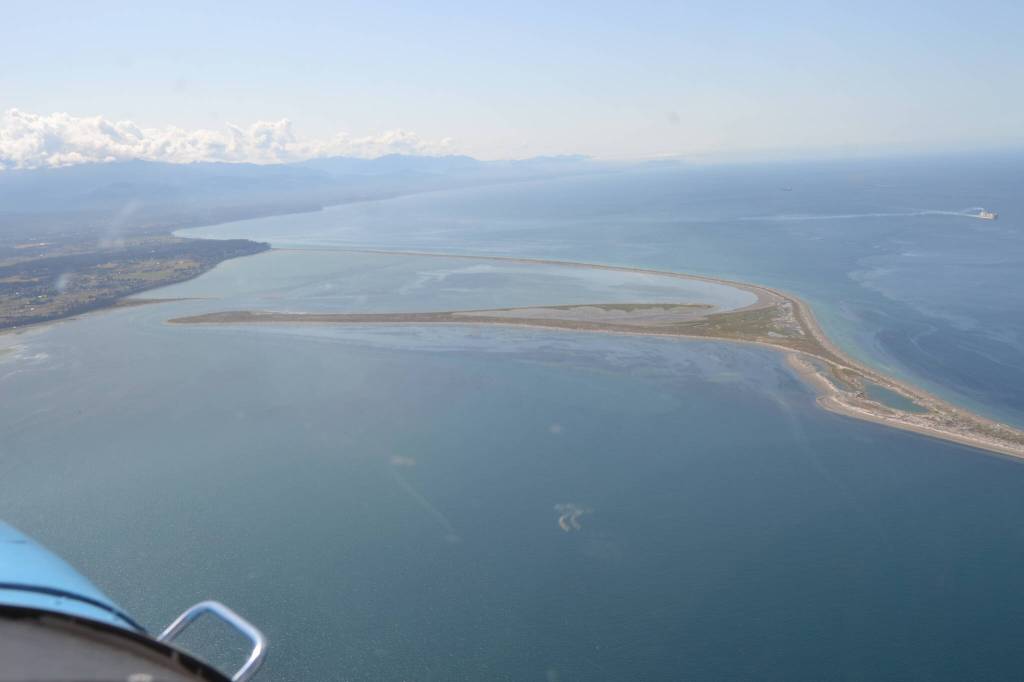
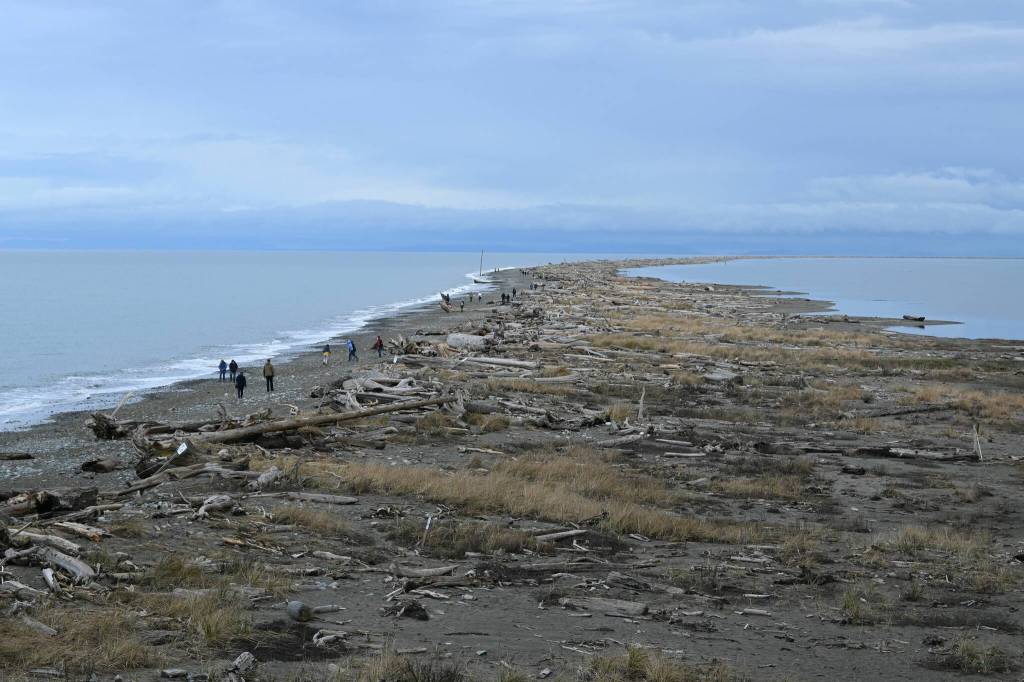
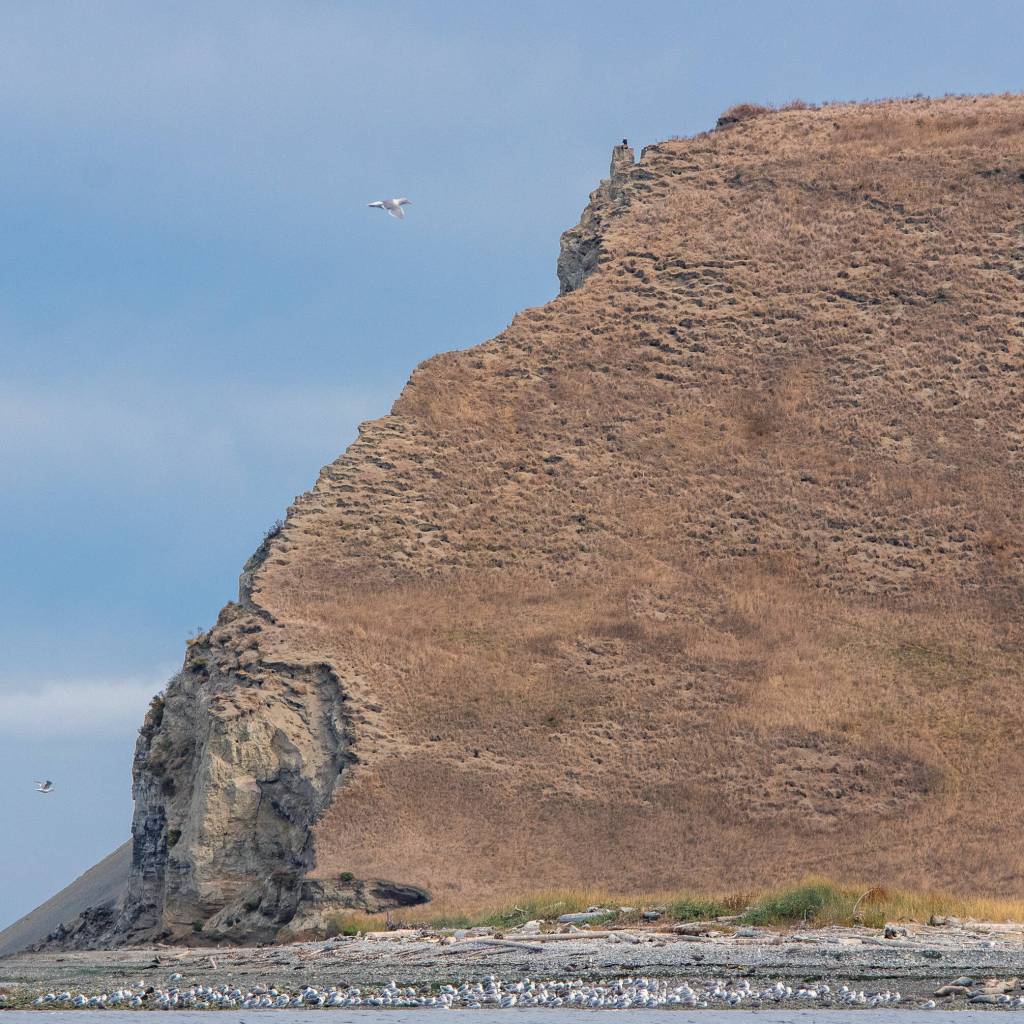


Nearly two years after taking over management of the Dungeness National Wildlife Refuge and Protection Island from U.S. Fish and Wildlife, Jamestown S’Klallam Tribe has asked politicians for legislation to transfer 900-plus total acres of federal properties including acreage by Sequim Bay to their ownership.
Tribal Chairman/CEO W. Ron Allen said in an interview he met with U.S. Representative Emily Randall (D, WA-06) last week to discuss The Jamestown S’Klallam Land Transfer Act of 2026.
He said it would be similar to land transfers pending for the Lower Elwha Klallam Tribe (1,082 acres) and the Quinault Indian Nation (72 acres).
Included in Jamestown’s transfer would be 608 acres for the Dungeness National Wildlife Refuge and Blyn parcels by Sequim Bay (approximately 144 acres), and 299.8 acres for Protection Island.
“By Jamestown taking it over, we’ll only enhance accessibility, and capacity to educate the community and general community, including tourists,” Allen said. “All upgrades would be maintained by us.”
Allen said the three tribes are following approved legislation for the National Bison Restoration Act that transferred 18,000-plus acres to the Bureau of Indian Affairs for the Confederated Salish and Kootenai Tribes (CSKT) of the Flathead Reservation in Montana.
He said Randall plans to introduce Jamestown’s act in the coming weeks and that Senator Maria Cantwell (D-WA) has voiced her support to consolidate all three transfers.
According to a fact sheet provided by Allen to Sequim Mayor Rachel Anderson via email, Jamestown’s request would transfer “certain Federal lands from the U.S. Fish and Wildlife Service to the Secretary of the Interior, to take such lands into trust for the Jamestown S’Klallam Tribe.”
Tribal officials write that legislation would “restore tribal stewardship over ancestral lands while expressly preserving conservation purposes, appropriate public access, and wildlife protections through a Tribal Management Plan.”
Under the act, Jamestown must maintain a publicly available management plan, continue to allow appropriate public access and educational opportunities, and prohibit any gaming on the transferred lands and commercial development.
Jamestown officials write there would be no loss of local property tax revenue and the federal budget for the properties would be neutral.
Allen called it a win for the federal government because the refuges can stay in their intended purposes and be put in better states than before.
“The tribe is willing to make the commitment to carry it out and manage it,” Allen said.
“Fish and wildlife has always had trouble with their budget and this puts the refuges in a much better position to maintain its mission.”
On Aug. 16, 2024, Jamestown and U.S. Fish and Wildlife Service agreed to a co-stewardship agreement for the Dungeness and Protection Island National Wildlife Refuges with the Tribe taking over the day-to-day management of the refuges.
Allen said under tribal ownership, they could partner with Clallam County to relocate roadways away from the deteriorating bluff in the Dungeness Recreation Area alongside the Dungeness refuge.
He said they’ve upgraded signage in the refuge and on a road on Protection Island, along with advancing efforts to eliminate invasive species, including European green crab.
City discussion
Sequim city councilors voted 6-0 with councilor Kelly Burger excused at their March 23 meeting to delay sending a letter of support for Jamestown’s land transfer until they received more information.
The letter was put on the meeting’s consent agenda at Anderson’s request following an email request from Allen, but fellow councilors asked to make it a regular agenda item to discuss it.
Anderson said she received several emails of concern about the letter and that anyone can ask the council for a letter of support. They are typically organizations going to Olympia asking for funding, she said, and council members have the right to request to pull and discuss consent agenda items.
Anderson said the letter of support “is what it is. Not the city gifting land to anybody. It’s not our land to give. It’s not our jurisdiction quite frankly.”
“I did approve it to be on the consent agenda, and in my experience (Jamestown) have been excellent partners and stewards of things I’ve seen them do,” she said. “That’s really my reasoning on that one.”
Fellow councilors did not speak against the letter of support, and asked for more information on the tribe’s proposal so they can share it with the public.
In another email to Anderson, Allen offered to host a presentation to the city council.
During public comment, a handful of community members expressed their opposition to the council’s letter of support and Jamestown’s land acquisition.
Some said they were surprised there was no prior deliberation and that it went on the consent agenda.
Ron Richards, a Clallam County Charter Review Commission member, said there’s no point for the land transfer because Jamestown citizens already have the same access as before.
“The tribe already has over 2,000 acres. How much more land do they need?” he asked.
Rose Marschall, a former organizer of Save Our Sequim, a group opposed to the tribe’s medication-assisted treatment facility (Jamestown Healing Clinic), said she’s organized a petition against the land transfer on change.org. As of press deadline, it has 800 signatures, according to the website.
“This is our land. They don’t need it,” she told city councilors.
Steve Gish of Sequim said if the land is transferred to the tribe, it “essentially becomes another country” and that locals have no privilege or say over its operations.
Darlene Schanfald of Sequim said that the land belongs to the animals and that they have less places to go.
“That land is for them,” she said. “It’s a pristine area and it needs to stay that way. It should not be private land. The public has paid for its upkeep for 100 years.”
History, future
Allen said the tribe is trying to stay transparent by going to the city and Clallam County commissioners for letters of support, but he expected some resistance.
“Some folks just don’t like Jamestown even after all the things we’ve done,” he said.
“People just don’t understand why the properties are important to us. It’s part of our history.”
The approximate 900 acres hold historical importance to Jamestown citizens, Allen said, such as Jamestown S’Klallam Tribe’s original village being just inside the Dungeness Spit.
“Regardless of all of the positive things we’ve done, that’s the nature of the general public,” he said. “You can’t make everyone happy … (but) we do have many people who do like what we’re doing, and we’re counting on them.”
A lawsuit remains pending between Protect the Peninsula’s Future, a local environmental group, and the Department of Interior/U.S. Fish and Wildlife over allowing a shellfish farm by the Dungeness National Wildlife Refuge.
Representatives from the group and Fish and Wildlife could not be reached by press time.
Allen said environmental advocates want a compatibility study done for their Jamestown Oyster Farm, but tribal officials have argued they’ve been done.
He said if the land transfer were to occur, the lawsuit wouldn’t go away though, and that there are no such current operations on the Dungeness Spit. However, if allowed, they’d likely bring an oyster farm there, he said.
“There’s no conflict,” Allen said. “We’ve already done the homework that’s been there for 60 years.”
Allen said any danger to native species is erroneous.
As for management of the properties, Allen said if the land is transferred, they might add employees and coordinate more between the refuges and the Dungeness River Nature Center.