Legendary shaper crafts ultralight tiny homes
Published 1:30 am Wednesday, August 6, 2025

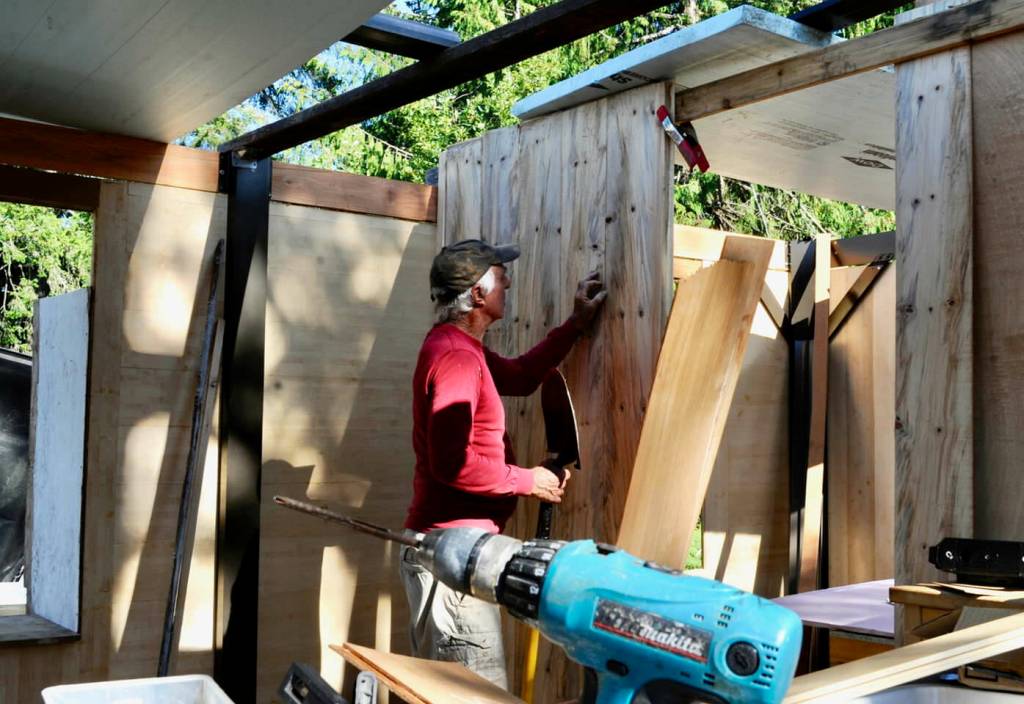
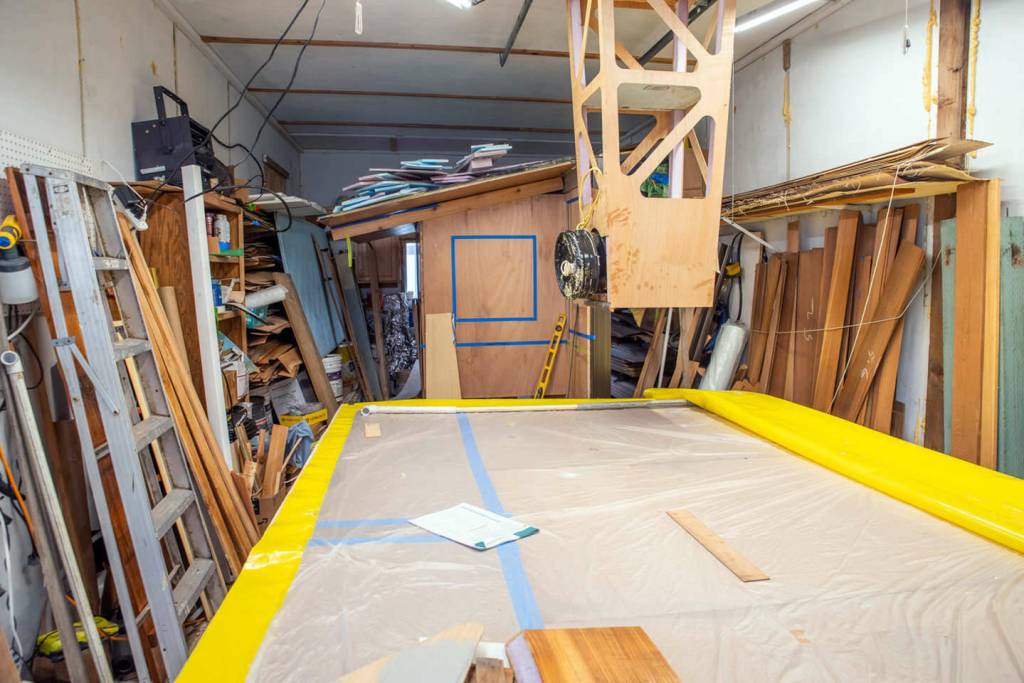

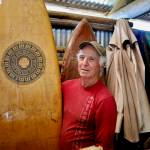
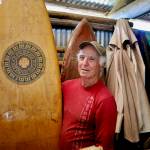
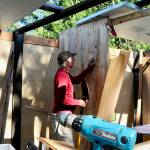

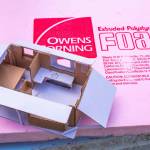
In a backyard workshop on the west side of Sequim, Gary Young dips his paint roller and finishes sealing off a wooden panel for a tiny home.
He’s been on the Olympic Peninsula since 2018, when he lost his home and workshop in Hawaii to the Kilauea lava flow and was forced to relocate.
“The neighborhood is gone, the bay is gone, all the surf spots are gone,” he said. “And so, I came here to the Pacific Northwest.”
Young, 78, is determined to move back home, where he bought a small piece of land but he intends to continue spending summers on the Olympic Peninsula. He is constructing a tiny home that he can disassemble and ship there, as it costs more to build a home in Hawaii with imported materials than it does to ship one from here. He’s designing the home for himself and his girlfriend, Pippa. They have been together since the 1970s.
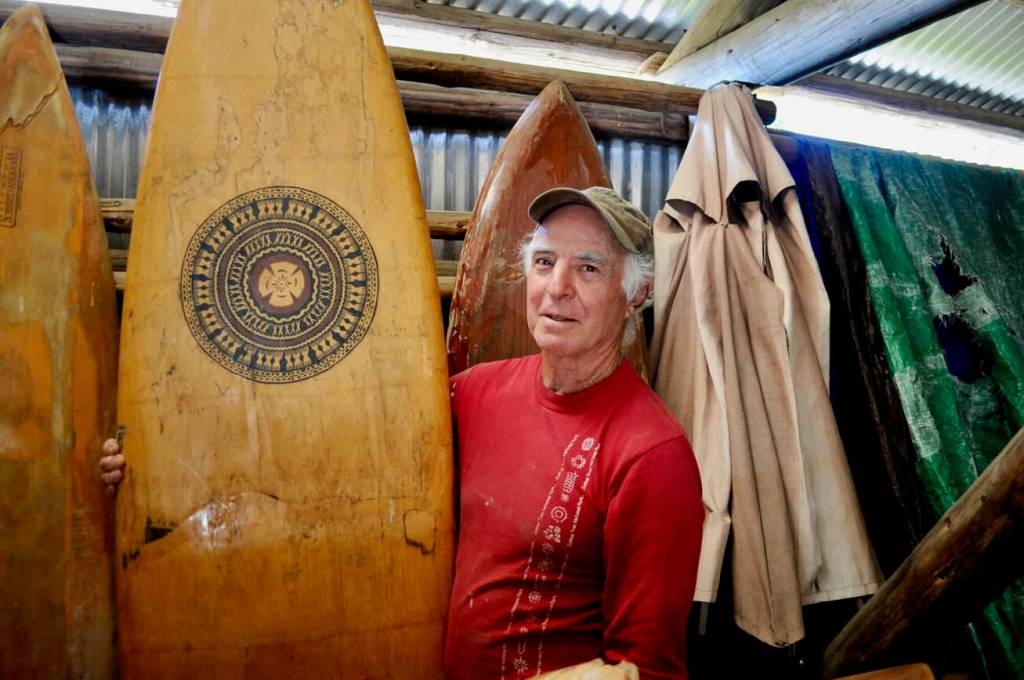
Young began his career as a design and drafting supervisor in the defense industry, but shifted to wooden boat building, moving to Northern California in 1971. He pioneered cold molding of wooden hulls, and his business grew.
Then the oil crisis began.
“And so, I realize sitting in a gas line in ’76 … my gosh, if we could substitute (surfboard) fiberglass with wood veneer and epoxy, it might be the better way to go,” he said.
That was the birth of his company, Wooden Boards. By going to trade shows and getting surf stars involved, he gained momentum. His success snowballed into two other companies, Woodwinds Sailboards and then Wooden Classics, when he moved to Hawaii.
His boards ended up in Surfer Magazine photos with stars such as Kelly Slater and Sunny Garcia shredding the waves on his Wooden Classics.
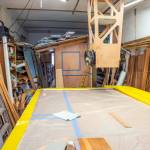
“Wood without fiberglass is the key to my whole approach” he said. He cold presses the veneer and wraps it around the surfboards’ Styrofoam core.
People also buy Young’s boards as art, most recently Monkeypod Kitchen, a small restaurant chain in Hawaii. Monkeypod is also one of the woods that Gary works with. The boards start at $5,000.
“We have about 12 of Gary’s boards in three of the restaurants, and a new restaurant with five more in Waikiki,” said Monkeypod chief architect, Mike Nicholls. “His boards are in the original Monkeypod Kitchen in Wailea, Maui and also in the Monkeypod Kitchen Whalers Village-Kannapali, Maui. He also has a few boards in Monkeypod Kitchen Ko Olina Oahu near Disney.”
Losing his home in the 2018 lava flow was the catalyst that drove Young to build a portable tiny home.
“And so, I came here to the Pacific Northwest thinking, I’ve got this knowledge about how to glue wood onto foam,” he said. “Had I had a…tiny home, on a trailer, I could have pulled it out of the way in a disaster.”
This spurred his interest in small, insulated wooden structures. With the cost of housing on the rise, he believes there’s a market for a tiny home with a foam core wall.
Young’s years of surfboard expertise are helping him design a shelter that is strong and light, whih has gotten his creative juices flowing. He started playing with the idea of a tiny home five years ago with Brad Griffith, a local contractor.
“He calls this thing a lighthouse shelter, and I call mine… glamping homes on wheels,” said Young, referring to a combination of glamour and camping.
He said that the level of insulation is determined by the thickness of the foam core, which can be tailored to suit various climates. Thicker walls can be made for cold regions like the Pacific Northwest, and thinner walls for tropical climates like Hawaii. Foam core and wooden construction also keeps the home energy efficient, cool in the summer and warm in the winter.
They are also earth friendly. “One advantage is they use one-third to one-half of the resin that fiberglassing does,” Young said.
Young is focused on keeping construction costs as low as possible. He wants to recreate something that others can easily replicate.
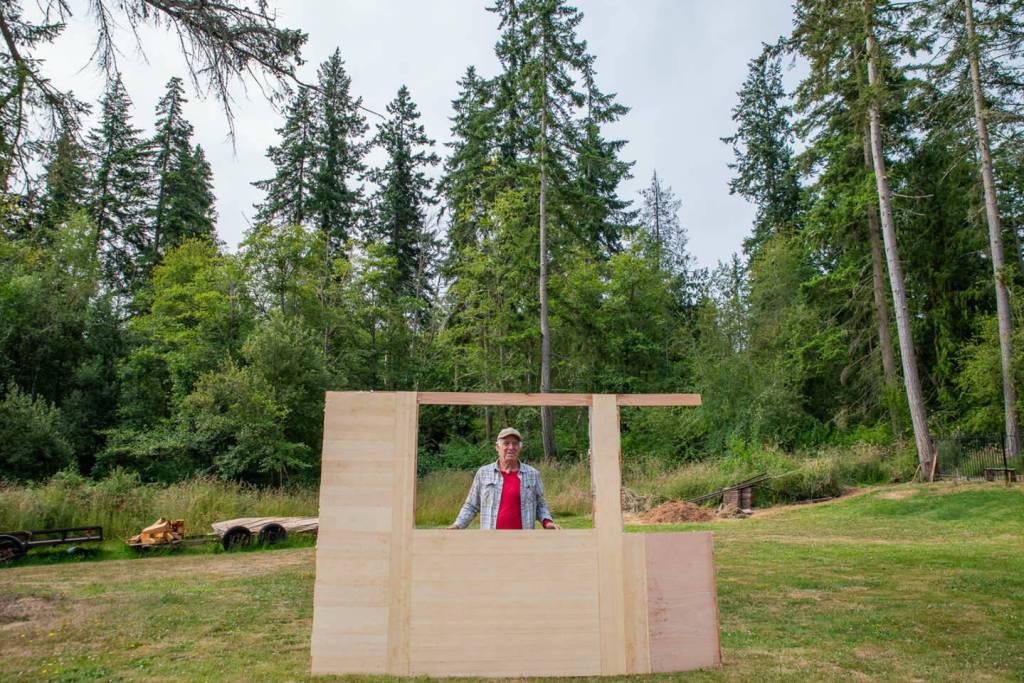
His house is made from panels built with a similar technique to his boards: layers with a light core, a special adhesive called Grizzly Glue, and repurposed wood on the outside. The frame is from commercially purchased gazebo metal, which is cheaper than buying the metal outright.
Everything is bonded with glue, and not a single nail is used. As a last step, only a few screws are needed to hold everything together.
By Young’s estimates, it would take about a week for a team of people to build a home like the one he’s testing.
He plans on disassembling his creation and shipping it to Hawaii in mid-September. He said it will be much easier to transport than a traditional tiny home. It is lightweight and needs only one axle, which puts it in a category that is exempt from many building requirements, Young noted.
Young feels that his concept might be a cost-effective way for do-it-yourselfers to add an accessory dwelling unit. It might also possibly help with solving Washington’s housing crisis by providing low-cost dwellings to those in need.