Parenting Matters: We all need to learn about saving the world
Published 1:30 am Wednesday, April 11, 2018
The best earth-friendly practices require everyone in your home to cooperate on this important lesson in saving the world. So how do parents get children to reduce, reuse, and recycle and embrace the other basics of environmental responsibility?
The best way to teach them is to be a good role model yourself. Show your family that you care about and respect the environment and then your kids will likely do the same.
We each have a responsibility to help save the world. One important lesson is that we have to be careful about conserving water. Another is that we need to keep the planet at the right temperature. We need to do this when we are young and all the way through life. Saving the world is a responsibility we each have at each age.
It begins when we are young. Talk with your children about conserving water. Help them learn to turn off the water while they are brushing their teeth instead of leaving it run continuously. Can you and your teen agree to take shorter showers? You don’t have to go too far but turn off the water while you are soaping up or washing your hair then turn it back on. You can save a lot and we all need to help to reduce waste.
Begin early in life to teach your children about turning off lights and other things that use electricity when you don’t need it. Remind them to power down their computers each day and to turn off the TV when no one is watching. One additional way to save on electricity is to talk with everyone in the family about not lingering in front of the refrigerator with the door open. It is easy to forget about saving electricity.
You can have your older kids help replace regular light bulbs with energy-efficient ones. Compact fluorescent light bulbs provide about the same light output as incandescent bulbs but last much longer and use a fraction of the energy. You may be surprised at the savings when you get your bill at the end of the month.
Buy rechargeable batteries for your kids’ electronics and toys and teach them how to care for and recharge them. This reduces garbage and keeps toxic metals like mercury out of landfills. It also teaches your child the importance of not leaving electronics on and wearing out the batteries.
Teach your children about recycling items they no longer use. Take clothes that your child has outgrown and toys he no longer uses and give them to others or donate them to Goodwill. Most of the clothes and toys he no longer uses are still good enough for others to get some use out of. Let him help you gather them up and take them to wherever you will donate them.
Recycling paper is another good lesson worth teaching to you child. Let him see you gathering up paper to recycle it. Have a special place to keep it and talk with him about what happens when paper is recycled. Encourage him to be careful about wasting paper. This is especially a problem when you have a ready supply of paper in your computer for his use.
Let your child see you separating recyclable trash from other trash. This takes some learning but it is well worth it. More and more communities are requiring homes to separate trash that can be recycled. Some even require one container for plastic, one for glass, one for paper and one for cans. Be ready.
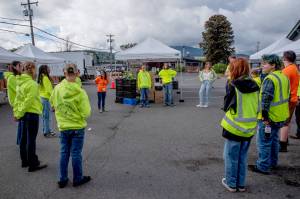
Many communities sponsor what they term green activities. These are activities like helping clean up a local park or playground. These are activities your child will enjoy at almost any age. It also teaches your child the importance of volunteering.
As with many lessons, talking about this one is important. Let you child hear your view on saving the environment. Let him hear your passion and see your enthusiasm about this project. Hopefully it will turn him into an environmentalist for the rest of his life.
Cynthia Martin is the founder of the First Teacher program and former executive director of Parenting Matters Foundation, which publishes newsletters for parents, caregivers and grandparents. To reach current First Teacher Executive Director Nicole Brewer, email nicole@firstteacher.org or call 360-681-2250.

Best of Olympic Peninsula