Call load rises for Fire District 3
Published 1:30 am Wednesday, January 15, 2020
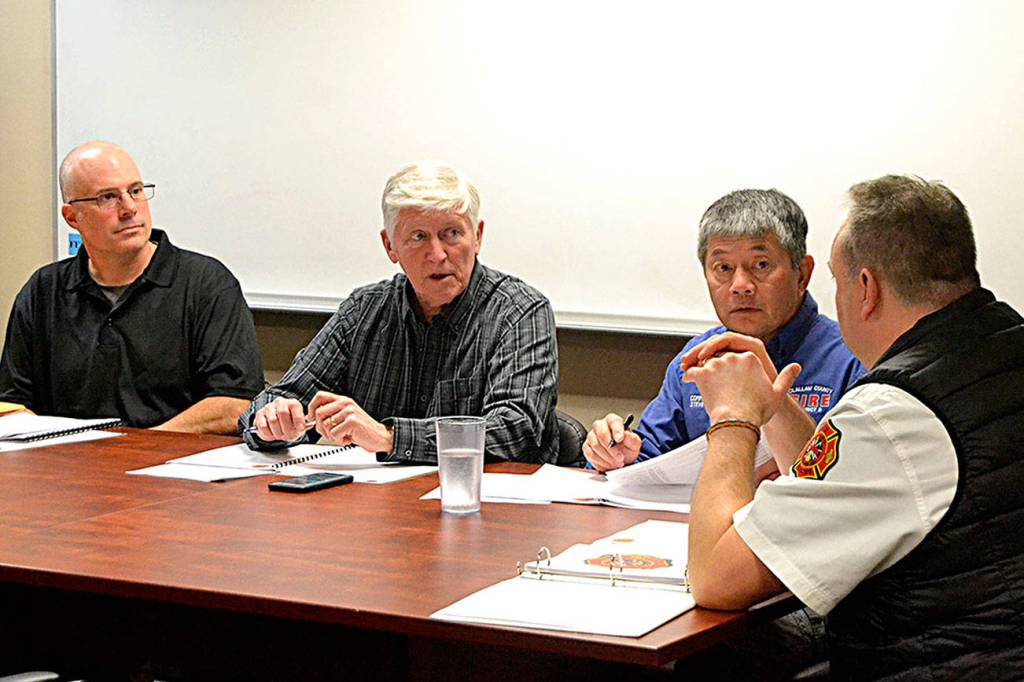
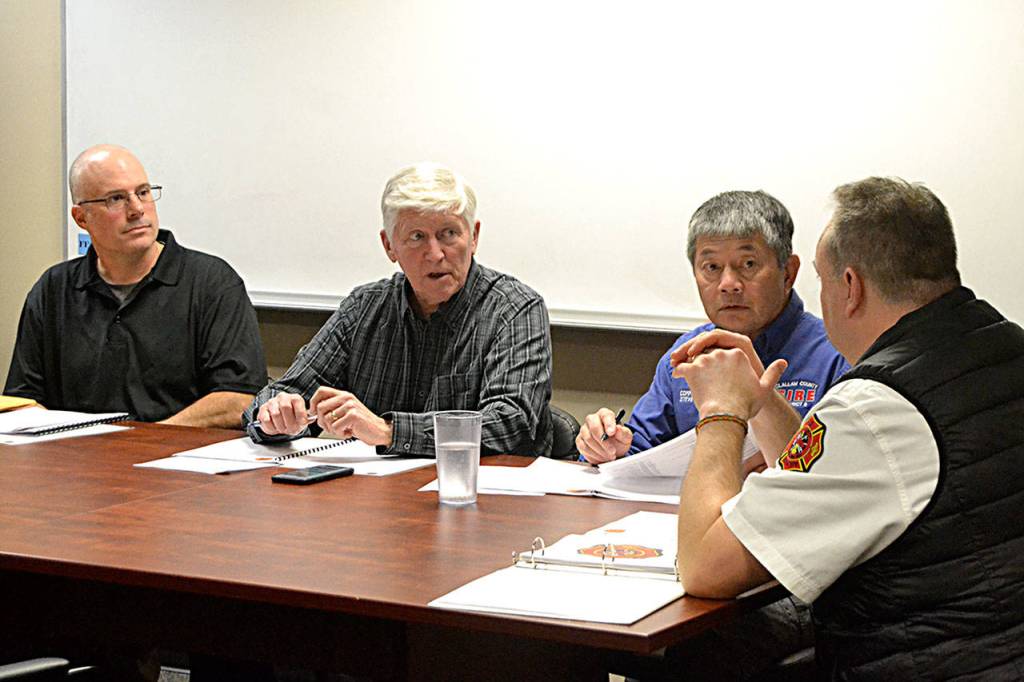


Clallam County Fire District 3’s call load continues to increase.
Fire Chief Ben Andrews released 2019’s data at the fire commission’s Jan. 7 meeting that the fire district received 7,680 calls for service — up 3.2 percent from 2018’s call load (7,434) and 5 percent more than 2017’s total of 7,295 calls.
“We went to more incidents last year but spent less time responding,” Andrews said.
Last year, firefighters/paramedics/EMTs spent 48 minutes on average per call compared to 53 minutes in 2018.
Total calls have gone up annually since 2012 except from 2016 (7,336) to 2017 (7,295).
The Sequim area’s first responders saw a consistent call load in 2019 with each month receiving an average of about 644 calls each month with last August the busiest month with 689 calls. The fire district responds to calls in its area from Blue Mountain Road to the Clallam/Jefferson County line.
‘Non-emergent’ calls rise
With the increased call load though comes a rise in what fire officials call “non-emergent calls.”
“It hasn’t been as much of a problem until the last few years,” Andrews said in an interview.
Those calls range from first responders checking a resident’s thermostat to someone asking the day of the week to emptying a cat’s litter box.
“There’s not really a good solution for (differentiating) those calls,” Andrews said. “If someone calls 9-1-1, we basically have to respond.”
In larger areas, a call center will have a nurse on staff to assess certain situations more, Andrews said, but Clallam County is too small for that right now.
“The dispatch center receives a call and sends us,” he said. “We’ve got to go there and deal with it.”
In the last two years, Andrews said they’ve implemented a policy for the first time in more than decade, sending letters to two residents who have called more than 10 times for non-emergency situations in a year.
Andrews said after letters are sent, fire officials allow residents five more non-emergency calls before they are charged for visitations.
One man received a $150 bill for two calls at $75 per visit last year, which the man paid, Andrews said.
To help residents making frequent non-emergent calls, Andrews said they provide them a list of pertinent resources.
This year, Capt. Derrell Sharp, the district’s medical services officer, plans to reach out more with skilled nursing facilities about what is an appropriate 9-1-1 call. Andrews said staff attrition often leads to errant calls from new staffers.
Discussions also continue countywide between agencies about potential solutions to non-emergent calls, he said.
More firefighters
The application process for four new firefighter/paramedic/EMT positions with the district closed on Jan. 6 with 33 applicants.
Andrews told fire commissioners the number would have been much larger but several people didn’t complete applications despite a provided checklist and reminder email.
“It’s disappointing but not new,” he said.
After interview sessions and tentative skills test, Andrews anticipates the new hires in place by the end of the first quarter. The hires will bring the total of district line staff to 39 and will add one more person per 24-hour shift.
9-1-1 fixed
After 9-1-1 outages for some landline users in Sequim and a portion of Jefferson County, fire officials say they’ve been told the issue is fixed.
District 3 Operations Chief Tony Hudson confirmed with fire commissioners that a hardware issue with some of CenturyLink’s equipment has been fixed following sporadic outages reported on Dec. 16 and Jan. 1.
Hudson said the fire district and Peninsula Communications were not notified of the outages, and that cell phone 9-1-1 calls were unaffected.
He said PenCom Director Karl Hatton is in touch with state utilities officials about a resolution for any future issues.
When asked about the potential impact on Sequim during the outages, Hudson said there was no way to tell unless residents phoned the fire district and told them about it, which no one did.
Surplus
A year-long effort to sell surplus items was a successful one 2019, logistics chief Eric Quitslund said.
Surplus ambulances, ladders, tires and other miscellaneous firefighting equipment brought in $63,502.50 last year, he said.
Funds go back into the fire district’s general fund as part of a cost recovery effort.
2020 goals
Andrews also shared the fire district’s main goals for this year on Jan. 7, including:
• Develop a master plan
• Improve internal communication
• Develop leadership opportunities
He said it’s unclear if the master plan will take 12 months and could go into 2021 to develop.
“Hopefully, we can implement it better than just rolling out a document that’s half-an-inch thick and no one really buys into it,” Andrews said.
In the goal, he said, “this is not a simple three-to-five year strategic plan, but rather a living plan that will identify how and when the district will make progress and changes to get where the community needs us to be.”
For more information about Clallam County Fire District 3, call 360-683-4242 or visit ccfd3.org.
Reach Matthew Nash at mnash@sequimgazette.com.


Best of Olympic Peninsula