Vegetables are an essential part of healthy eating, but studies show they aren’t as nutritious as they used to be, local gardening experts note. Find out why vegetable nutrition is declining and what to do in the garden to counteract this trend.
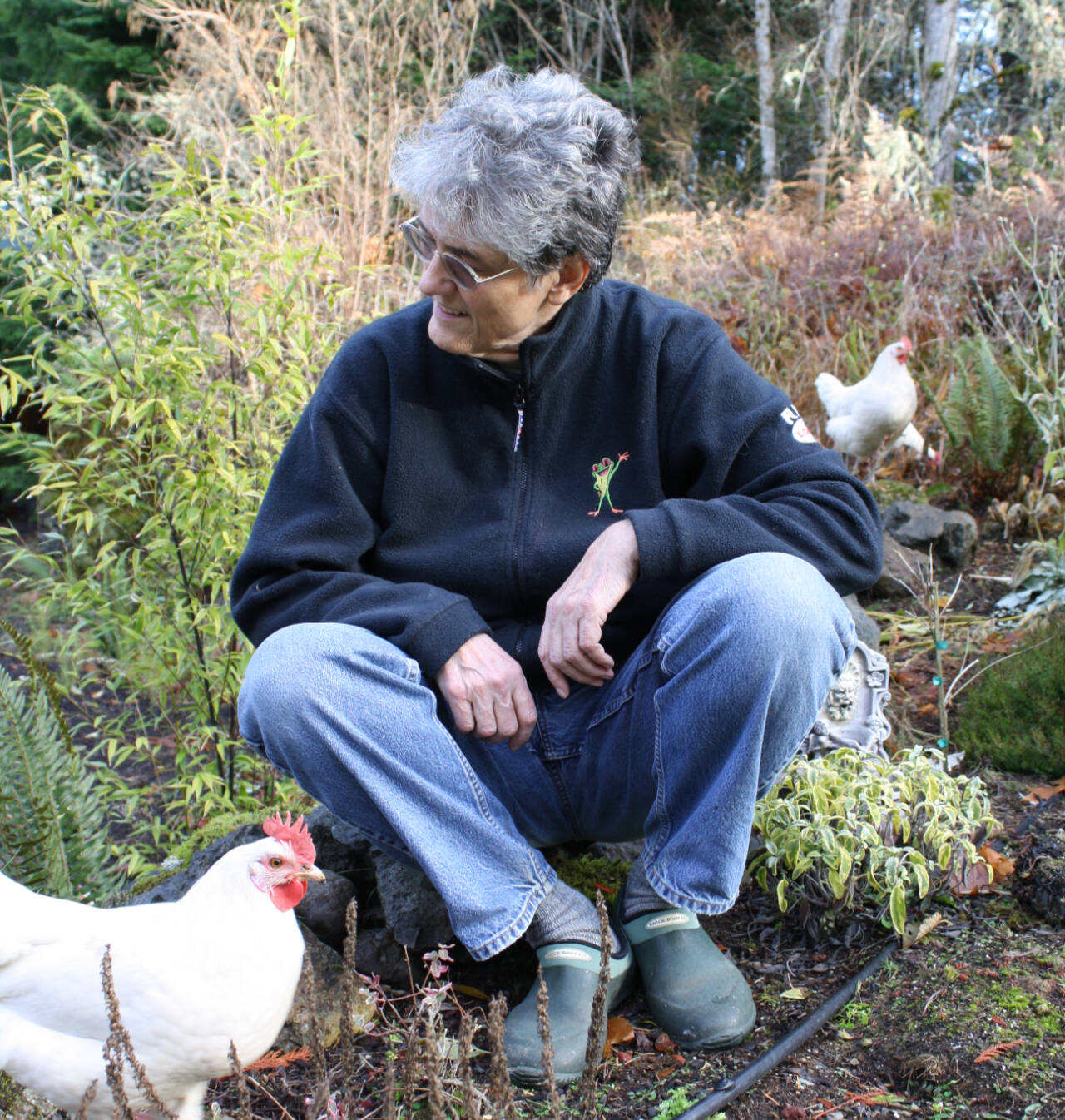
Join Clallam County Master Gardener Muriel Nesbitt for “Nutrient Decline in Vegetables — What is the Evidence?,” a Green Thumb Gardening Tips presentation from noon-1 p.m. on Thursday, July 14, on Zoom.
Join via a link at extension.wsu.edu/clallam/events. Or, join by phone by calling 253-215-8782 (meeting ID 920 0799 1742, passcode 709395).
According to USDA data, a decline in nutrient density for many foods has been occurring over the past 50 years. Nesbitt will discuss evidence that indicates that the nutrient density of vegetables has been declining markedly in the last century. She will also talk about the response of plants to elevated atmospheric carbon dioxide.
Nesbitt will present the effects of decline in nutrient density, along with some suggestions about what gardeners might do to ensure the quality of their food plants.
“It may help gardeners make choices that maximize the nutrient density of their crops,” she said.
Nesbitt began her career as a high school teacher in Dar es Salaam, Tanzania. She went on to become a graduate student at the University of Washington where she earned a Ph.D. in genetics. Muriel was a professor of biology at University of California-Los Angeles for two years and then taught biology at University of California-San Diego for 35 years before retiring to Port Angeles in 2008.
Sponsored by WSU Clallam County Master Gardeners, the Green Thumbs Garden Tips education series is held the second and fourth Thursday each month through October (in November, December and January, one program is offered). Scheduled presentations are subject to change. Visit the WSU Extension Clallam County website calendar (extension.wsu.edu/clallam) for the latest information on upcoming presentations.
For more information, call 360-565-2679.