Traveler’s Journal: Diving with Dragons
Published 5:12 pm Tuesday, February 9, 2016
Traveler’s Journal
About the presentation:
When: 7 p.m., Thursday, Feb. 11
Where: Sequim High School library, 601 N. Sequim Ave.
Cost: Suggested $5 donation (adults); 18 and younger, free
Presenters: Burt Jones and Maurine Shimlock
Presentation: “Diving with Dragons: Komodo National Park, Indonesia
by Burt Jones and Maurine Shimlock
For the Sequim Gazette
Indonesia is a country of extreme contrasts. Perhaps no place in this vast archipelago exemplifies those contrasts as well as Komodo National Park.
The land can be extremely wet or desert-dry. Within a 20-mile stretch of ocean, sea temperatures can vary more than 20 degrees. A two-mile walk might traverse grassy savannas or scale a rough volcanic slope.
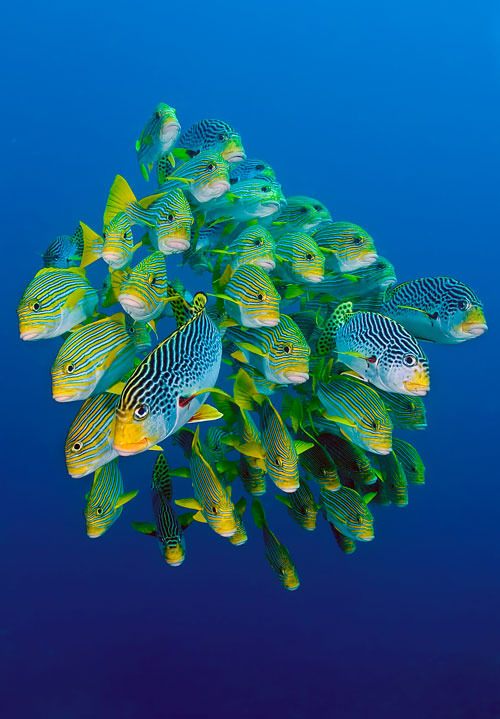
Underwater we have finned alongside oceanic manta rays with 15-foot wingspans, then hovered quietly watching fingernail-size pygmy seahorses forage among branching corals.
And, of course, there be dragons here: the Komodo dragon, Varanus komodoensis, the world’s largest monitor lizard, which exists no place else.
Komodo is the first place we ever dived in Indonesia.
While we have to admit that the possibility of seeing dragons attracted us to Komodo, it was more the chance to dive in a place where no one else had dived before, the opportunity to travel to an unexplored realm, that lured us on that first trip back in 1993. Twenty-three years ago, what we found amazed us.
Today, the same reefs continue to astound traveling divers from around the world.
Two oceans border the park, the Pacific on the north and the Indian on the south, and the marine life is very different, depending on where you dive. In the north, the reefs mimic typical South Pacific scenes: dense hard coral gardens with prolific sponge and sea fan growth, surrounded by clouds of colorful small fish. Submerged seamounts in the northern part of the park also attract a fair number of sharks. In the south, cold-water upwellings from the Indian Ocean nourish a myriad of invertebrates not usually found in the South Pacific, and soft coral growth is more prolific.
Dragon activity also varies in different areas of Komodo. Most tourists take walking tours on either Komodo or Rinca, the second largest island in the park, and their first sighting is often a dragon snoozing close to a ranger station. (They love junk food and garbage!) But on our first trip we discovered Horseshoe Bay, now a place where live-aboards anchor for days of spectacular diving.
Besides the diving, another attraction is the morning show, where dragons that have never seen the forked stick of a park ranger rouse themselves to chase monkeys and feral pigs back to the fringe of jungle bordering the rocky beach.
Over the past 24 years we’ve probably spent more than 12 months’ worth of time diving in Komodo, often remaining at our favorite sites for days or even weeks. We discovered a secluded manta ray cleaning station, places where tiny crustaceans that look like ladybugs cluster over filter feeding invertebrates, and one of the top 10 dive sites in the world —Cannibal Rock.
To hear about the cannibal, you have to come to the show.

With a live-aboard craft in the background, a Komodo dragon find shade on a south Komodo beach. Photo courtesy of Burt Jones/Maurine Shimlock
About the presenters
Burt Jones and Maurine Shimlock are award-winning photojournalists who left Indonesia and moved to Sequim in 2012. They specialize in documenting tropical marine life and pioneering remote dive destinations, and no, they haven’t yet dived north of the tropics.
Their photography has been featured on the covers of more than a dozen of the world’s most prestigious publications, including GEO, BBC Wildlife, Smithsonian and Natural History. “Secret Sea,” the first large format collection of their photography, has won several publishing awards including the Benny Award for best photography book.
Burt and Maurine work with several NGOs, including Conservation International, to educate the world about Indonesia’s reefs and the urgent need to conserve them. They have published two popular guidebooks: “Diving Indonesia’s Raja Ampat” and “Diving Indonesia’s Bird’s Head Seascape,” and manage www.birdsheadseascape.com, which promotes sustainable marine tourism as a viable conservation tool.
In 2012, Maurine was inducted into the Women’s Diving Hall of Fame and honored for her photojournalism and conservation work. Maurine’s 2015 Christmas present was the honor of having a new species of damselfish, Chrysiptera maurineae, named for her.
Committed to marine conservation, Burt and Maurine use the art of photography to help preserve life in the sea.
About the presentations
Traveler’s Journal is a presentation of the Peninsula Trails Coalition. All of the money raised is used to buy project supplies and food for volunteers working on Olympic Discovery Trail projects.
Shows start at 7 p.m. in the Sequim High School Library at 601 N. Sequim Ave.
Suggested donation is $5 for adults; those 18 years old and younger are free. One selected photo enlargement will be given away each week as a door prize. Creative Framing is donating the matting and shrink wrapping of the door prize.
For more, call Dave Shreffler at 683-1734.