Digging Deeper
Published 1:30 am Wednesday, September 17, 2025
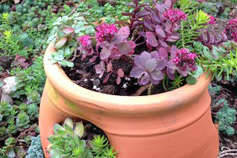
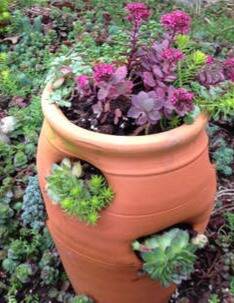
Succulents are the best plants many gardeners probably aren’t yet growing. In the land of Douglas firs, rhododendrons, and ferns it is easy to overlook the charms and ease of growing a plant many associate with much hotter and drier climates. Grown in pots indoors or outdoors, or directly in the ground, succulents provide plant enthusiasts with an exciting opportunity that should not be missed.
Succulent is a non-scientific term, but describes a group of plants that store water in their leaves, stems and roots. They come in a dizzying variety of shapes, sizes and colors. Some can withstand temperatures of -30 degrees Fahrenheit and some need to come indoors as soon as the weather turns chilly. Some succulents are happier with a little shade and others love all the sun they can get. Most offer up flowers that are beautiful in form and color and are beloved by pollinators.
Readily available in nurseries, supermarkets, big box stores, and through mail order, the most important thing to know when purchasing is whether the plant is a hardy succulent that will likely survive outside or a tender succulent that will need some protection from the cold.
Sometimes a plant tag will provide that information and sometimes it just says “mixed succulents,” leaving the research to the purchaser to make sure the plant will suit the purpose intended. Nurseries with detailed plant tags, knowledgeable staff and phone apps can be very useful in identifying any mystery succulents the gardener may encounter.
The good news is that all succulents can spend several of the warmer months outside. Those that are tender can be brought inside to enjoy during the chilly months with good natural light or grow lights, or they can be coddled year-round on a bright window sill.
Many succulents grow at a surprising rate and gardeners find themselves dividing their succulents to move to other parts of the garden or share with friends. Propagating succulents is most often a very easy process. Many propagate themselves very quickly by growing offshoots. Others can grow by divisions or cuttings or simply by pulling off a leaf and leaving it to grow replicas that can later be separated and planted on their own. Many can be grown from seed by the patient gardener.
What is critical for succulents is well-draining soil whereever it is planted. There are potting mixes specifically made for succulents and cacti or soil can be amended with a lot of grit. While succulents are perfect for those who are frequently traveling or simply forgetful, they do need watering when the soil is dry, but not before. More succulents are killed by over-watering than any other reason, so a moisture meter is an excellent small investment for succulent growers.
The versatility of succulents makes them plants for all gardeners. In the ground they can add interest to the front of the border cottage garden, provide protection from erosion on a steep bank, or be the stars of their own dedicated garden. They can become mini-landscapes in a shallow pot, cascade out of hanging baskets, or be unique stand-alone specimen plants. They make fascinating open terrariums, living portraits in an old frame, or can festoon the top of decorative fall pumpkins.
Succulents are the perfect intersection for gardeners and crafters. There is even a native sedum to Western Washington that is easy to grow in shade to full sun.
The succulent garden at Clallam County Master Gardeners Woodcock Demonstration Garden, 2711 Woodcock Road in Sequim, would be a great place to start exploration of this highly diverse category of plants.
_____________________
Deborah Harrison is a Clallam County Master Gardener