More than a paycheck: Why financial literacy matters right now
Published 2:30 am Wednesday, June 3, 2026
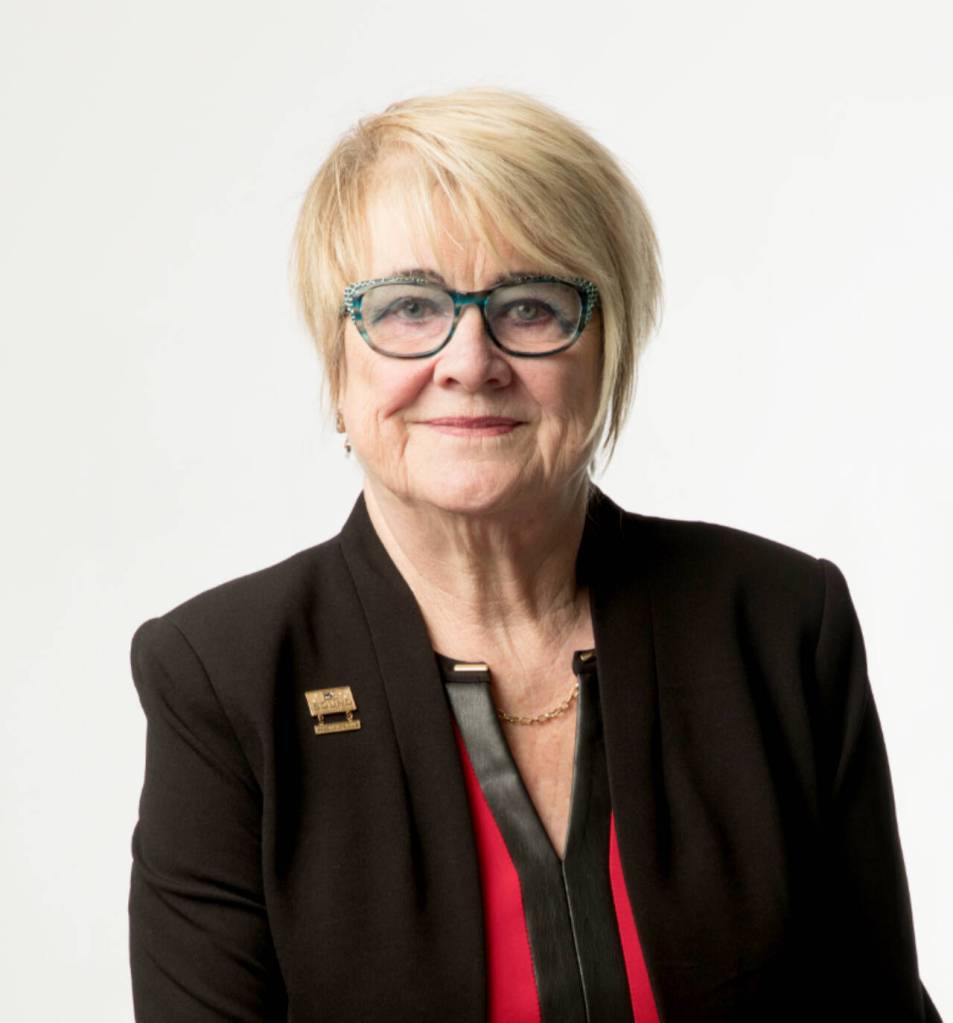
As one proud Sequim alumna to another — Go Wolves!
There’s something special about growing up in Sequim. Maybe it’s the sense of community, the values you learn from the people around you, or the way everyone shows up for each other — on the field, in the classroom, and beyond. It’s a place that stays with you, no matter where life takes you next.
If you’re graduating this spring, congratulations. This is one of those milestone moments you’ll carry with you for the rest of your life. You’re stepping into a new chapter filled with independence, responsibility, and a lot of exciting uncertainty — and if you’re anything like I was when I graduated, you’re probably equal parts ready and wondering what comes next.
After more than 45 years in banking (I started my career as a freshman in college as a teller), I’ve had the opportunity to work with people at every stage of life, and one thing has become very clear: understanding how money works early on can make a meaningful difference in the direction your life takes.
Financial literacy isn’t about becoming wealthy overnight, and it’s not about saying no to everything fun. It’s about having options. It’s about being able to say yes when opportunities come your way — whether that’s continuing your education, taking a new job, or even moving back to a community you love. It’s also about being able to handle life’s unexpected moments with confidence instead of stress.
Growing up in a place like Sequim, you learn the value of hard work and showing up for others. Those same principles apply to your financial life. What you do early on matters — not because of how much money you have, but because of the habits you build. I’ve seen people with modest incomes create strong financial footing by being intentional from the start, and I’ve seen others struggle simply because they never had the chance to learn how money works.
One of the most important lessons I’ve learned is that consistency matters more than perfection. You don’t need to have everything figured out to get started. Even small actions — setting aside a little money, being thoughtful about spending, paying attention to where your money goes — add up over time. Much like the routines you built here in school or on a team, the habits you create now will carry you forward.
Credit is another area where a little knowledge goes a long way. It can help you reach goals faster, but it’s important to remember that it’s not free money. It’s a tool. When used carefully, it opens doors. When used without a plan, it can quietly create challenges that follow you longer than you expect.
Over the years, I’ve also walked alongside people during life’s unexpected turns — job changes, health challenges, economic shifts. The difference between feeling overwhelmed and staying grounded often comes down to being prepared. Even a small safety net can make a difficult moment feel manageable. It’s not about avoiding challenges — it’s about giving yourself the ability to navigate them.
And here’s something I want you to remember: you are not expected to know all of this right now. Financial literacy is learned over time. One of the smartest things you can do is ask questions — of your banker, your family, or someone you trust. There’s no downside to learning early, and no question is too small.
In banking, we often talk about helping people buy houses, but over time I’ve come to understand that financial decisions are about so much more than that. A house becomes a home because of the stability and care inside it — something many of you have experienced growing up here. Your financial choices help create that same stability in your own life, wherever you go next.
It’s easy to think that you’ll figure all of this out later, but the truth is your financial future has already started. Every decision you make now is part of the foundation you’re building. And just like everything else you’ve learned growing up in Sequim, those foundations matter.
If I could leave you with one piece of advice, it would be this: be intentional with your money early, and it will give you choices later. Remember, perfection is not the goal. You just have to start.
Congratulations, Class of 2026. Wherever you go next — whether you stay close to home or head somewhere new — you’ll always have Sequim (and me!) in your corner. I’m so proud of all of you — go do great things.
Go Wolves.
_______________
Laurie Teitzel Stewart is Chief Executive Officer of Sound Community Bank.


Best of Olympic Peninsula