Couple credit first responders, Life Flight with heart attack recovery
Published 4:30 am Wednesday, August 12, 2026
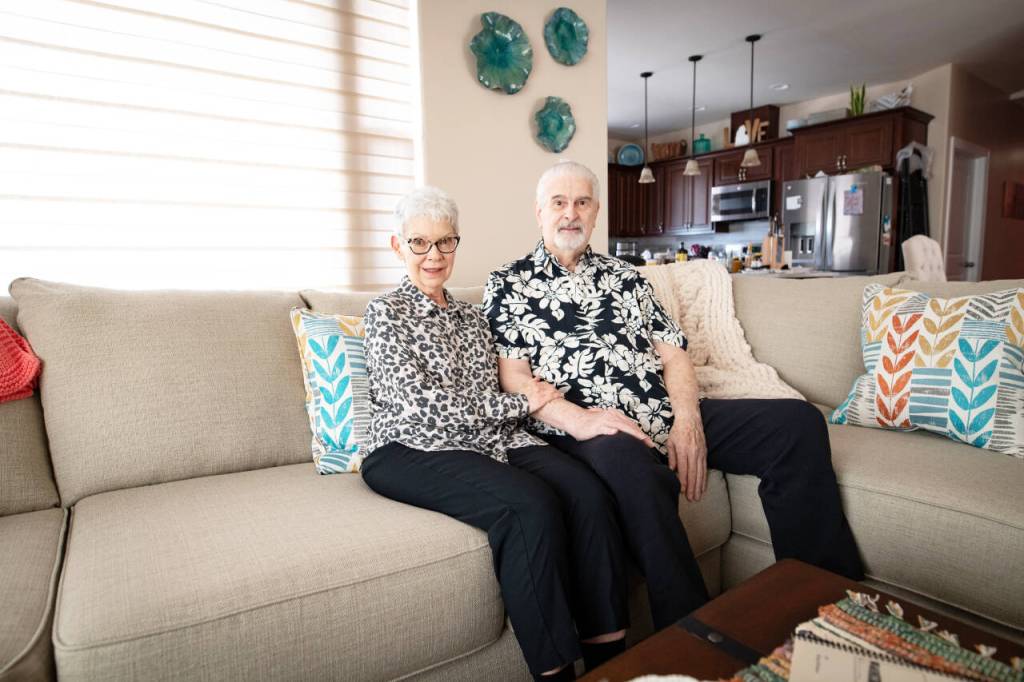
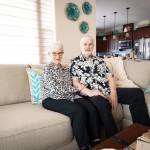

Paul Sanders didn’t mince words when he walked into the room at the front of the house he shares with wife Patrice around noon on July 15.
“Call 911,” he said. “I think I’m having a heart attack.”
At 12:01 p.m., Patrice was on the phone with Grace Kendall, a 911 dispatcher for Peninsula Communications, or PenCom. Kendall said that within 35 seconds of speaking with Paul and Patrice, she was able to determine what kind of response was needed and then dispatched aid.
By 2:20 p.m. that day, just a little more than two hours after a frightened Patrice frantically punched three numbers on her phone, Paul, 79, was resting comfortably in a hospital bed at St. Michael Medical Center in Silverdale after undergoing surgery for a stent placement. To the amazement of both Paul and Patrice, doctors found no damage to his heart muscle — likely due to the speed of all those involved in the emergency response.
“It’s like a miracle,” Patrice said. “Our minds are still just spinning and so thankful.”
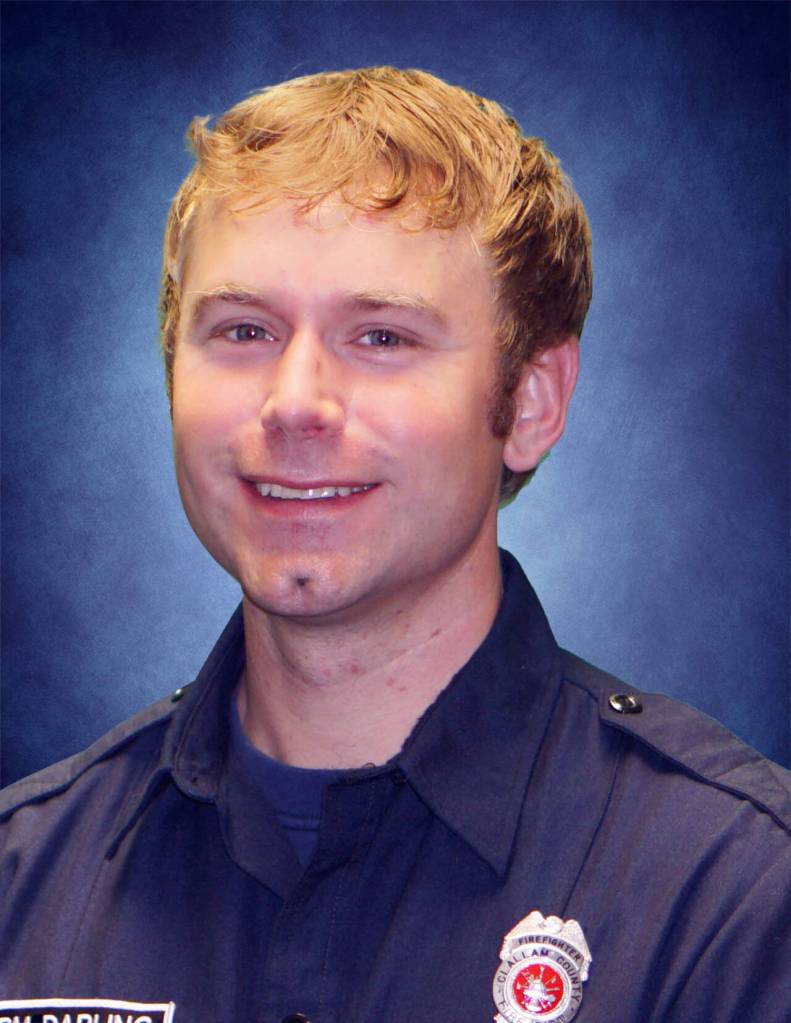
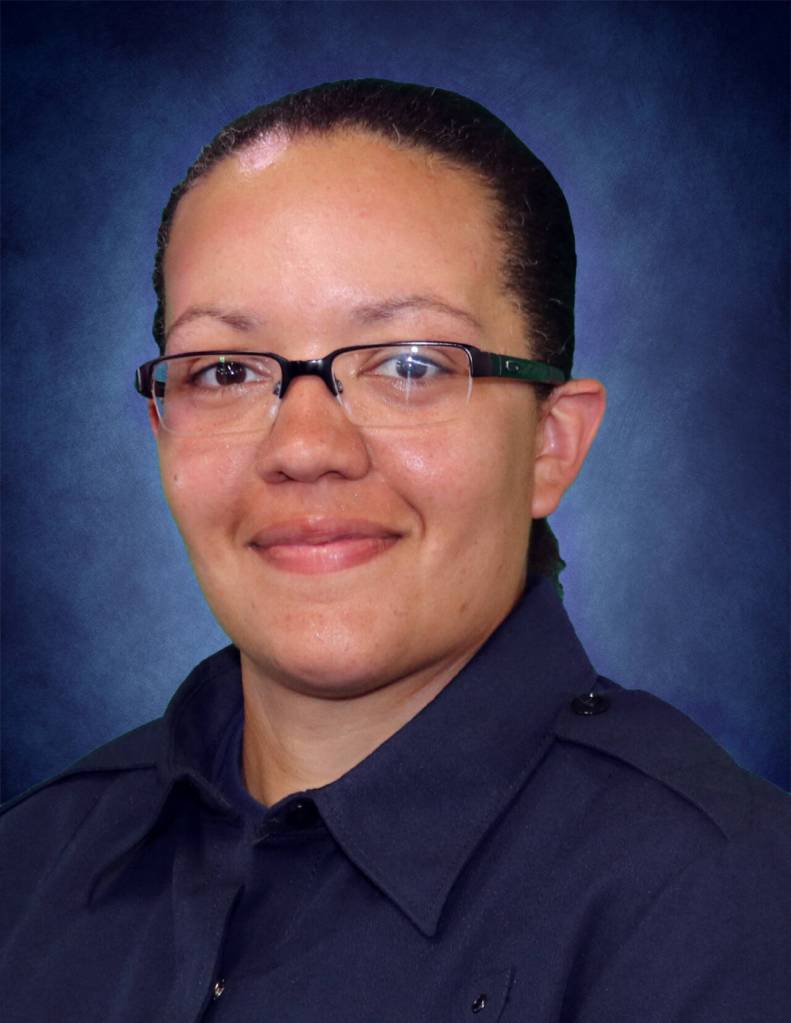
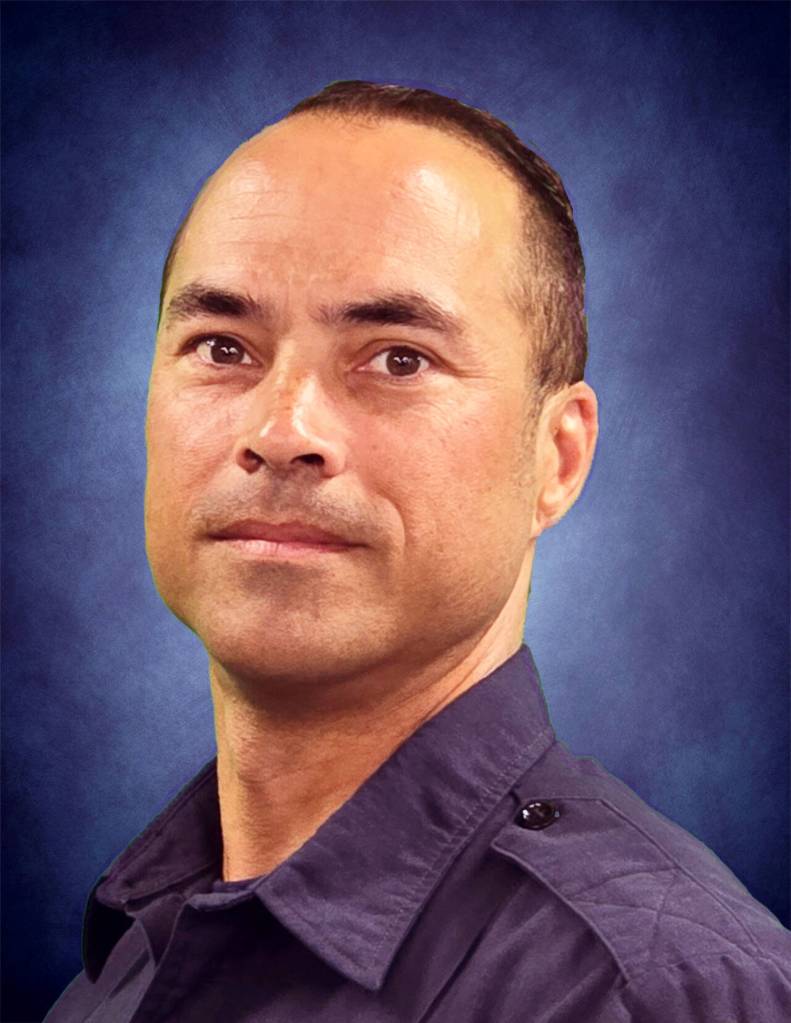
In addition to dispatcher Kendall, the couple credit the team of first responders from Clallam County Fire District 3’s Station 34 — Captain Chris Darling, Firefighter/Paramedic Marquita Espinoza, and Firefighter/EMT Matthew Aston — as well as Life Flight for that miracle. Had the team not responded as quickly, or if Life Flight had not been available, the outcome might have been different. And there was also this: Since the Sanderses have a Life Flight membership, they are not facing what might have been a catastrophic bill.
“Boy, am I thankful,” Patrice said.
Ticking clock
Upon arriving at the Sanders’ home that day, the Station 34 team immediately began working on Paul in the couple’s living room.
“The lead medic ran an EKG here at the house and printed off a strip and told me, ‘Yes, he is in the midst of a heart attack,’” Patrice recalled. Espinoza, she said, stated, “Time is muscle” and gave Paul three baby aspirins.
The phrase “time is muscle” is used by cardiologists and emergency physicians to emphasize that every minute a heart attack goes untreated, more heart muscle dies. Most heart attacks occur when a coronary artery becomes blocked by a blood clot, and that blockage cuts off oxygen-rich blood to part of the heart muscle. Without oxygen, heart muscle cells begin to die within minutes. The longer the blockage remains, the more permanent damage occurs.
Aspirin helps prevent clots from getting bigger and may reduce the formation of additional clots.
As the team worked to stabilize Paul, they were on the phone with a cardiologist at St. Michael who gave them real-time instructions.
The crew hurriedly transported Paul to the helipad at Jamestown Family Health Clinic in Sequim, where a Life Flight helicopter was already waiting.
“Everything happened so incredibly quickly, professionally,” Paul said. “It just ran like a well‑oiled machine.”
Patrice remained behind. Just days earlier, she had experienced a health scare of her own when her legs suddenly gave way and her head became “fuzzy.” Still unsure of what had caused the spell, she was afraid to drive.
Married 57 years, the flood of emotions hit Patrice hard.
“As they were taking him out the front door on the stretcher, I said, ‘Please take care of my husband because he’s my everything,’” she said.
While Paul was flown to Silverdale and then rushed into surgery, Patrice contacted friends and family, asking them to pray.
“I was just a complete nervous wreck,” she said. “I prayed and prayed and prayed… but I was busy the whole time messaging them and telling them what was going on.”
On the Life Flight chopper, Paul, too, was praying, asking God to help him stay calm.
His prayer was answered. He actually enjoyed the ride.
Similar, but different
For Paul, a veteran who stands 6-foot‑8, the physical sensations were both familiar and eerily different.
He has lived for decades with severe panic attacks linked to post‑traumatic stress disorder (PTSD) from his time in the Army, often marked by crushing chest pain.
“I’ve had that for 45 years — wicked attacks like I’m having a heart attack,” he said.
But this time, the pain pattern wasn’t quite the same. Unsure, he went online and typed in his symptoms to find out if he might be having a heart attack. When he received the response, he quickly instructed his wife to call for help.
The diagnosis at St. Michael was that one artery was 100 percent blocked. A cardiologist opened it and placed a stent.
When Patrice received a phone call from the doctor, she was amazed at what he had to say.
“The doctor told me my husband was fine, that he had good blood flow and absolutely no damage to his heart muscle,” Patrice said.
A message to the public
Paul and Patrice shared their story partly because they wanted to praise the local team that may have saved Paul’s life that day. But there was another reason as well: They want to urge everyone to have a Life Flight membership in place before an emergency.
The couple, who moved to Sequim from Southern California more than nine years ago, purchased a Life Flight membership after hearing about the program. A household can be covered for $85 per year.
“I tell everybody what happened and how important the Life Flight was — and no heart muscle damage. Period,” Patrice said. “Just think if somebody was driving and they got stopped because of a Hood Canal (bridge) closure.”
Paul spent about two and a half days at St. Michael before being cleared to return home.
“It could have been the other way, and I could have been dead,” he said. “I was profoundly humbled by being given more days to live.”
In the weeks since, he has been expressing that gratitude in the best way he knows: writing poetry and music dedicated to the teams that cared for him.
Patrice also advises calling 911 at the first hint that something might be wrong.
“Time is muscle,” she stressed, repeating Espinoza’s words. She added, “We are just amazed and grateful every day.”
For more information about Life Flight memberships, visit lifeflight.org.


Best of Olympic Peninsula