Get It Growing: Plant now for fall and winter vegetables
Published 3:30 am Wednesday, July 23, 2025

For many areas of the country, harvesting the last summer vegetables from the garden can be bittersweet; it may remind us that fall, and then winter is coming. Luckily, we live in an area where we can enjoy a garden year-round.
But now — in the middle of summer — is the time to begin planning for and planting that fall/winter vegetable garden.
Selecting the best site
Location is key to a successful fall/winter vegetable garden. Plant vegetables in the sunniest and warmest place on your property to ensure the maximum amount of heat and light for your plants. When siting a location, keep in mind that the position of the sun (and shadows) changes during the winter months.
Also, make sure your soil drains well. If you have heavy clay soils, fall and winter rains can suffocate the roots leading to poor growth and health for the plants. To increase the tilth of your soil, add compost. Compost will improve the drainage while also adding beneficial micro-organisms and nutrients to the soil.
Keeping warm
Another key to a successful fall/winter vegetable garden is finding ways to keep the plants warm even on colder days. Most plants slow their growth when temperatures reach 40 degrees. Covering a plant can increase air temperatures by four to five degrees and keep the plant growing.
There are a variety of ways to keep your plants warmer, including cloches, cold frames, and low tunnels.
Cloches are coverings that are usually used for individual plants. Materials such as plastic milk jugs, plastic soda bottles, and glass jugs can be used to warm plants. Simply remove one end of the container and place it over the plant.
Cold frames are boxes made out of wood or cinder blocks that are sunk in the ground and have a window-like covering that allows venting and light penetration. Cold frames also help protect more delicate plants from fall and winter rains.
Low tunnels are structures that cover an existing planting of vegetables. Tunnel supports can be made out of PVC or wire hoops. Clear plastic or woven fabric (such as floating row cover) is then stretched over the hoops to enclose the plants. Light is able to penetrate the covering while also trapping heat inside the structure.
In addition, lightweight floating row cover, made of lightweight polyester, can be placed directly on your plants to provide light frost protection.
Vegetable varieties/timing
Focus on vegetables that like cooler temperatures and begin seeding your plants in the summer months so they have time to grow and mature before cool temperatures arrive.
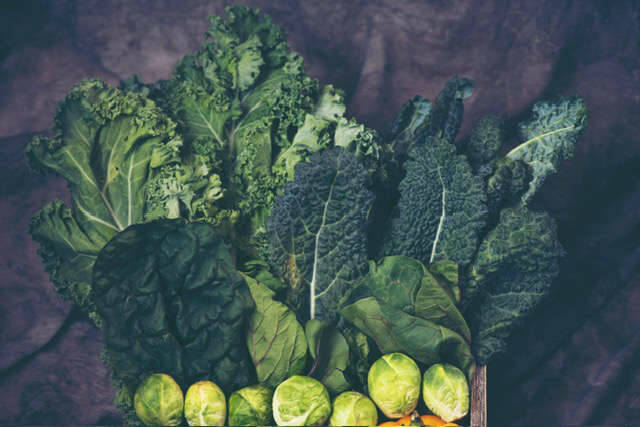
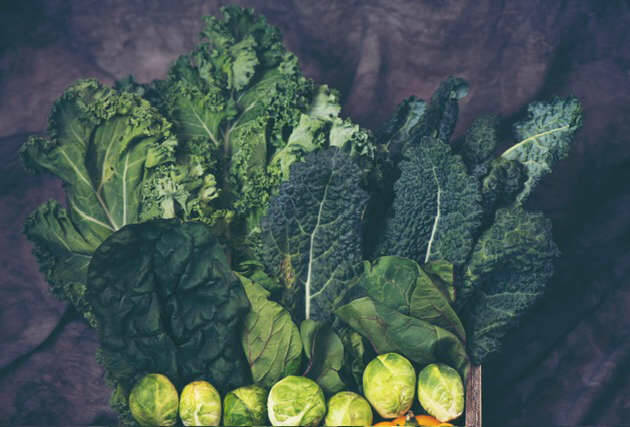
Slower-growing crops such as broccoli, Brussels sprouts, cabbage, cauliflower, kale, and parsnips benefit from being seeded early in the summer. In July, it’s time to plant your beets, collards, mustard greens, spinach, and turnips. Finally, in August, find the perfect area in your garden for quick-growing arugula and lettuce.
Our climate is great for fall and winter vegetable gardening. But you must begin planning now so you are able to enjoy fresh vegetables well into the winter season.
Time your planting
Plant your fall/winter garden late enough so that crops will not mature too early during the warm summer, but soon enough so that they are well established by the first frost and do not freeze. First frost in Clallam County, on average, occurs from mid-October to mid-November, but can come as early as mid-September. As a result, most fall/winter crops are planted from early July through August in local gardens.
Join us
“Planning Your Fall/Winter Garden” will be the topic of the Saturday, July 26, “Digging Deeper” series at Woodcock Demonstration Garden, 2711 Woodcock Road in Sequim, hosted by Master Gardener Pam Pace. It will be from 10:30 a.m. to noon.
A plant clinic will be held that same day, also at Woodcock Demonstration Garden. A team of Clallam County Master Gardeners will be available from 9:30 a.m. to 12:30 p.m. to answer gardening questions. The public is welcome to bring samples of garden problems or pests for diagnosis by Master Gardeners who can recommend control measures.


Best of Olympic Peninsula