Get It Growing: So many lilies, so much color
Published 3:30 am Wednesday, June 10, 2026
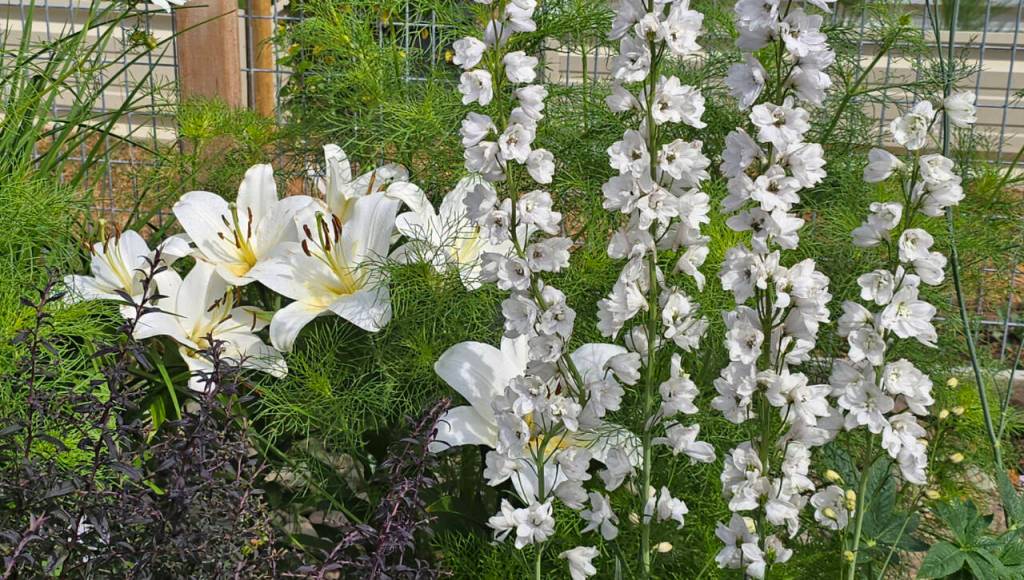
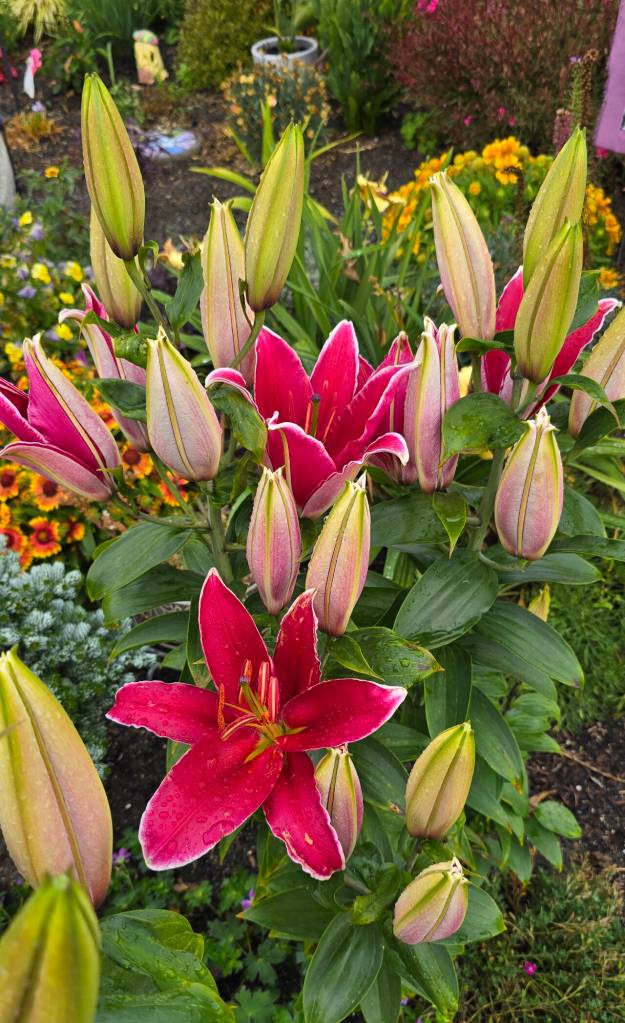


“All the wars of the world, all the Caesars, have not the staying power of a lily in the cottage garden.” — Reginald Farrar, English botanist.
Lilies have short, narrow leaves that radiate from the plant’s main stem. Their erect, stiff stems grow from scaly bulbs. Lilies can grow one to six feet in height depending on the variety. The six-petaled blooms last a long time.
“True” lilies are plants belonging to the genus Lilium. Many other plants such as callas and cannas are commonly referred to as lilies and you can see the sidebar for some possible reasons why.
Lilies, just like other bulbs, need well-draining soil. Being waterlogged can cause bulb rot. They grow in a tall and narrow form so they fit into almost any flowerbed. Some lilies are suitable for container growing and most make excellent cut flowers.
While most lilies prefer full sun, they can tolerate some shade. However, the stems will tend to grow towards the sun in too much shade and not stand up straight. Martagon lilies are the exception and will tolerate more shade.
The wide variety of lilies translates to two or more months of bloom each summer. The North American Lily Society classifies lilies into nine horticultural divisions made up of either hybrid or species varieties.
Common types of lilies
Asiatic lilies start the show in late May or early June with their upward facing blooms and are considered the easiest lily to grow. They come in a range of vibrant and pastel shades with stems ranging in height from one to four feet making them good container plants or front of the border choices. Asiatics are usually scentless.
Martagon varieties bloom about the same time as the Asiatics. Martagons are the most difficult common lily to grow. They don’t like to be moved and may take a year or two to settle in upon planting. The North American Lily Society describes martagons as “tall lilies with many little down-facing flowers and whorled leaves. Martagons appreciate some shade, and are quite decorative in the woodland garden.”
Trumpets follow in late June and early July on tall stems sometimes growing to six feet. They may produce 12 or more blooms and can be top heavy. In windy areas, provide staking or grow in a protected area. They can be delightfully fragrant.
Oriental lilies are July and early August bloomers with intoxicating fragrance and open, bowl-shaped flowers. Well known varieties such as ‘Stargazer’ and ‘Casa Blanca’ are in this category. These lilies prefer slightly acidic soil and consistent moisture as they bloom. They usually grow to four feet.
Orienpets are a cross between oriental and trumpet varieties. These are incredibly robust plants and are sometimes marketed as lily “trees” because mature plants can be over six feet tall with a dozen blooms.
Often the last lily to bloom in August is Lilium sp rubrum and its improved hybrid “Uchida.” This is a four-foot variety with recurved crimson and white Turk’s cap blooms.
Lily care
Lilies may be deadheaded as the lower blooms fade. Once the plant has bloomed, cut the blooming portion of the stem off. Allow the foliage to die back naturally to help the bulb develop for next year’s bloom. Lilies commonly multiply from year to year providing more blooming stems as they mature.
If lilies are cut for bouquets, leave as much stem as possible for the bulb to gain nourishment for next year’s growth. Consider growing lilies as annuals in your cutting garden for cut flower use.
Planting lilies
Lilies are available for planting in both the spring and fall. Fall planting (before the ground freezes) is preferable as bulbs have the benefit of establishing their roots over the winter. Some varieties such as the Orientals and Orienpets are dug late in the fall making shipping to consumers difficult. Because of advancements in storage, these are more often available for spring planting.
Lily bulbs are available from mail order sources as well as bagged at your nursery or big box store. Lily bulbs do not go totally dormant like other bulbs and are susceptible to the conditions of storage. Mail order sources usually endeavor to deliver lily bulbs at planting time while bagged bulbs may sit on the shelf under poor storage conditions prior to purchase.
To plant your lily bulbs, dig a hole three times as deep as the bulb is tall. For example, dig a six-inch deep hole for a two-inch tall bulb. Place the bulb in the hole with the pointed end facing up. If the bulb has roots, spread them out. Backfill with soil and water to settle the soil and remove air pockets. If you have voles, consider planting the bulbs deeper than usually recommended.
Cats beware
Lilies are relatively easy plants to grow. Slugs and snails can be problematic for young shoots in the spring and aphids may cluster on flower buds. Lilies are not considered deer resistant. The bulbs can rot in soil with poor drainage. Regular inspection of your plants is the best defense so that you catch problems early and manage them.
Be aware that lilies are toxic to cats. According to UC Davis Veterinary Medicine, “Lilies are lethally toxic to cats. In fact, they are so poisonous that a cat can suffer fatal kidney failure just from biting into a lily leaf or petal, licking lily pollen from its paws, or drinking water from a vase containing cut lilies.”
For more information on the world of lilies, visit the North American Lily Society webpage at lilies.org.
Join us
Join Clallam County Master Gardeners this Saturday, June 13, at the Fifth Street Community Garden, 328 E. Fifth St., Port Angeles, from 10 a.m. to 11:30 a.m. Tour the garden, ask plant and pest questions, and receive vegetable gardening advice.
______________
Jeene Hobbs is a WSU Clallam County Master Gardener.
______________
Why so many flowers are called lily
By Jeene Hobbs
for the Sequim Gazette
Have you ever wondered why so many flowers are called lily? While only those plants in the family Lilium are “true” lilies, so many plants have lily in the common name. Lily of the valley, daylily, surprise lily, calla lily, foxtail lily.
According to the Oxford dictionary, the term “lily” was used to translate many different Hebrew words for flowers in biblical translations. Those Hebrew words were for the flowers we know as lotus, anemone, and ranunculus as well as true lilies.
Another possible explanation is that these other plants share similar shape, growth habit, or symbolic pure appearance. Garden blogger Greg Grant suggests that the lily, usually the white Madonna or Easter lily, symbolized purity and beauty. He writes “if its bloom suggests grace, elegance, and a general form, it just might get called a lily.”




Best of Olympic Peninsula