Get It Growing: A cook’s garden — growing culinary aromatics
Published 1:30 am Wednesday, July 29, 2026
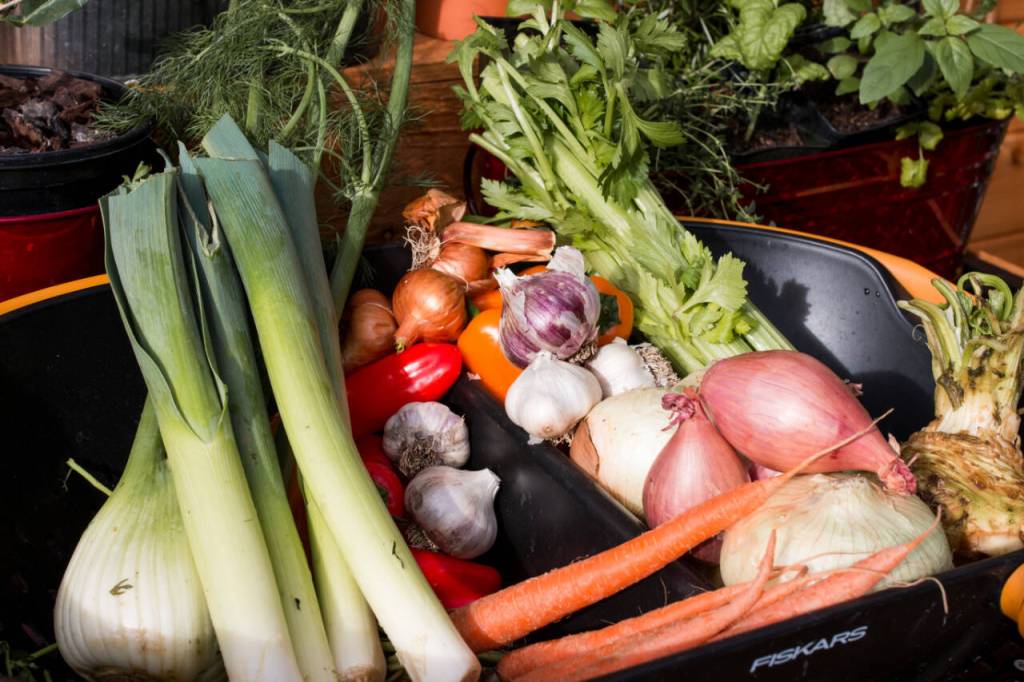
For the home cook and gardener, very few things are more rewarding than standing in the middle of your garden and planning your next meal. “Shopping” in your own garden is cost effective and the product is always fresh, flavorful, high quality, and readily available.
Growing culinary aromatics on the North Olympic Peninsula is not only easy but it’s one of the simplest, most economic ways to be self-sufficient. You can grow garden-to-table produce throughout the entire year and take your culinary skills to the next level!
Culinary aromatics
Culinary aromatics refer to vegetables, herbs, and spices that add flavor and aroma to a recipe. Signature dishes from cuisines around the world use aromatics to create incredible depth of flavor. A few examples include paella, jambalaya, Bolognese, and boeuf bourguignon, as well as stir-fries, braises, curries, sauces, soups, stocks, and stews.
Aromatic herbs and spices give an added depth of flavor to any dish that would otherwise lack a rich flavor and finish.
Herbs are generally considered to be the leaves or stems of the plant. Examples include basil, mint, bay, lemongrass, cilantro, parsley, thyme, and oregano.
Spices are derived from the root, bark, flower, or seed of the plant. Coriander, cinnamon, dill seed, fennel seed, ginger root, and saffron are a few examples.
Growing options
Growing culinary aromatics can be as simple or as complex as you desire. You may choose to plant a few of your favorites in containers or in a raised bed. You may also decide to plant a wide variety of aromatics with multiple succession plantings to ensure a constant, year-long supply.
Starting vegetables and herbs from seed takes time and effort, but is the most economical method. Buying nursery starts is easier, although variety options are limited to what is available.
Horticultural care
Annual aromatic herbs and vegetables require at least six to eight hours of sunlight, frequent watering during dry periods, and adequate feeding. To ensure a healthy crop, apply a quality organic vegetable fertilizer at planting time and at regular intervals throughout the active growing season. Crops also benefit from a top dressing of quality compost to provide mulch and nutrients.
Perennial herbs are easy to grow and once established, require very little maintenance. Adequate sunlight, regular watering during dry weather, top dressing with compost, pruning, and deadheading before flowering occurs will help to ensure a constant supply of fresh herbs throughout the year.
The following are recommended culinary aromatic herbs to add to your garden:
Bay Laurel (Laurus nobilis)
Thyme (Thymus vulgaris)
Rosemary (Salvia rosmarinus)
Parsley (Petroselinum crispin)
Recommended culinary aromatic vegetables to add to your garden include the following:
Florence Fennel (Foeniculum vulgare var. azoricum)
Celery (Apium graveolens var. dulce)
Leeks (Allium ampeloprasum)
Shallots (Allium cepa)
Garlic (Allium sativum)
If you are intrigued by any of the culinary gems and would like to learn more about growing and using these and other culinary aromatics, join us for the Master Gardener Digging Deeper presentation on Saturday, Aug. 1 from 10 a.m. to 11:30 a.m.
The program is titled “A Cook’s Garden: Growing Culinary Herbs, Aromatics and Specialty Vegetables.” It will be held in the pavillion at the Woodcock Demonstration Garden, 2711 Woodcock Road, Sequim. These presentations are free and open to the public, with no reservations required. These are outdoor presentations, so dress for the weather.
Pam Pace is a Clallam County Master Gardener.



Best of Olympic Peninsula