Get It Growing: Raising radishes
Published 12:35 pm Wednesday, April 27, 2016
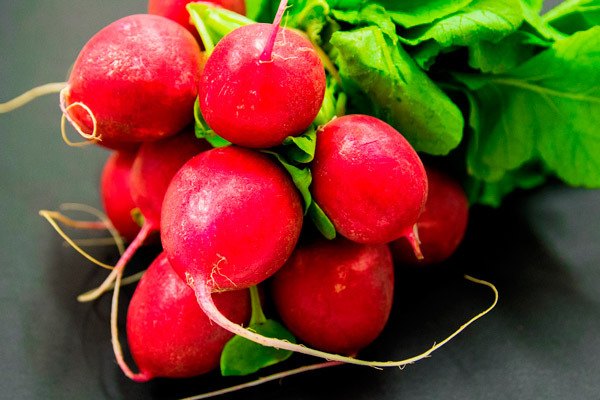
Need a rapid reward for your gardening efforts? Plant radishes for an easy crop that livens up foods with its spiciness and crunch.
The scientific name for radish (Raphanus sativus) derives from the Greek meaning “quickly appearing,” a most appropriate label because radishes grow super-fast! They germinate in three to seven days and some varieties are ready for harvest in less than a month.
Radishes come in a multitude of sizes, shapes and colors with both spring and winter varieties. Recommended spring varieties include “Cherry Belle,” “French Breakfast” and “Sparkler.” Recommended winter varieties include “China Rose” and “Long Black Spanish.”
Radishes love cool weather and can be planted as soon as you can get into the garden in March or April. Make small weekly sowings (instead of one large sowing) so that you are not overwhelmed with too many radishes at one time. Plant radishes in full sun. Avoid planting them in heavy or clay soils or soils that are overly rich. Before planting, loosen and turn the soil to a depth of at least eight inches to allow roots to grow unimpeded.
Plant radish seeds one-quarter to one-half inch deep. Although the seeds are small, try to plant them at least an inch apart to give them plenty of room to grow.
Thin radishes a few days after sprouting so that they are at least 2 inches apart. Larger winter varieties need more space, so check the seed packet for thinning instructions.
Keep your radishes well watered. Supplemental fertilizer is rarely needed, nor advisable.
Radishes mature quickly, so check your planting frequently. As the radishes grow, you will be able to see the tops of their roots peeking above the soil from which you can estimate their size.
When the roots are about 1 inch in diameter, pull your radishes, whether you plan to use them immediately or not. Unlike many root vegetables, radishes cannot be left in the ground because they will crack and become tough if not harvested quickly.
Radishes can be stored in a plastic bag in the refrigerator for two to three weeks. Cutting off the green tops or adding a wet paper towel to the bag will help keep the roots crisp by retaining moisture.
When the weather reaches an average of 65 degrees or higher, stop sowing radishes because the plants quickly will go to seed. Resume planting in mid-July and early August with winter varieties as well as spring varieties for a fall harvest.
Radishes have a spicy flavor and a crunchy texture, making them a popular addition to salads and vegetable trays. The roots can be sliced into stir-fries, grated into slaw or diced into egg and potato salads. The leaves can be used in soups, as cooked greens, and in pesto.
For more gardening information, attend the Brown Bag Series at the Clallam County Courthouse. These free educational events are held at noon on the second and fourth Thursday of each month. On April 28, local gardener Selinda Barkhuis will talk about encouraging bees.
Pearl of Wisdom
Radish plants are light feeders and rarely need supplemental fertilizer. In fact, too much fertilizer results in large luscious greens and no root. Other reasons for poor root development include not thinning them properly, too much shade and planting during the heat of summer.
Jeanette Stehr-Green is a WSU-certified Clallam County Master Gardener.
Radish Salad with Goat Cheese
From Cooking Light
Radishes are a low-calorie root crop that is high in fiber and rich in vitamin C. The leaves also are an excellent source of beta carotene and calcium.
Ingredients:
4 teaspoons vinegar
1 Tablespoon olive oil
1 teaspoon honey
¼ teaspoon salt
2 cups radishes, thinly sliced
1 Tablespoon chopped oregano
4 cups spinach
2 ounces (½ cup) crumbled goat cheese
½ teaspoon black pepper
Combine the first four ingredients in a bowl, stirring well. Add radishes and oregano; toss to coat. Place one cup of spinach on each of four plates. Using a slotted spoon, top each plate with ½ cup of radishes. Sprinkle each serving with two tablespoons of cheese and 1/8 teaspoon pepper. Drizzle remaining dressing evenly over salads. Makes four servings.




Best of Olympic Peninsula