Chalk Talk: Greywolf tests water wheels, Haller’s ‘We are Friends Who Care’ assembly, SHS welding class builds outdoor fireplace
Published 1:30 am Wednesday, November 9, 2016




DISTRICT
For the most up-to-date information on school events, go to the district website at www.sequim.k12.wa.us and click on the Calendar button.
Parent/teacher conferences will be Nov. 15-18, with early release for elementary students only on Nov. 15 and Nov. 16, and early release for all students on Nov. 17 and Nov. 18. Please check with your student’s building for more information about conference times.
The next school board meeting is at 6:30 p.m. Monday, Nov. 21, in the boardroom, located in the auditorium building at 601 N. Sequim Ave. To view the agenda for this meeting, go to www.sequim.k12.wa.us and click on “Board of Directors.” There is time set aside at every board meeting for public comments.
Looking ahead for holiday planning purposes, all students will have early release on Nov. 23. Nov. 24 and Nov. 25 are no school days and the district office will be closed. We warmly wish our school families and staff a happy Thanksgiving!
GREYWOLF ELEMENTARY SCHOOL
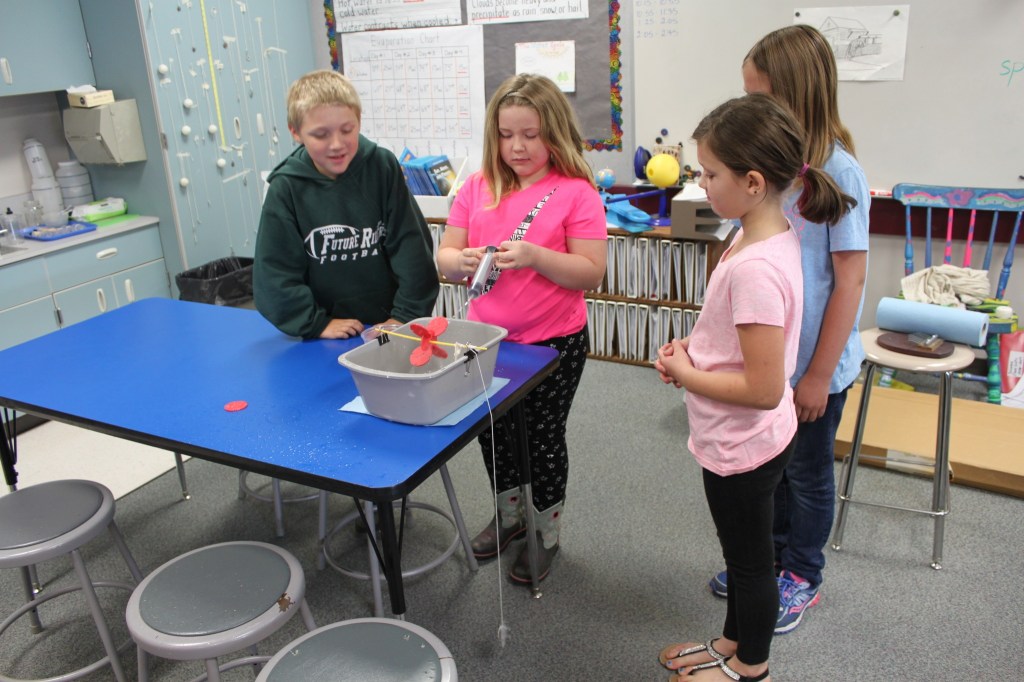
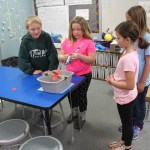
Third-graders in Carla Morton’s science class used their engineering skills to design, build and test water wheels. The goal was to power the water wheels in order to lift objects from the floor. Materials included a half-liter of water, a tub, string, two binder clips, a dowel rod, five round disks and a plastic syringe. Each group collaborated to use what they each knew about engineering and flowing water to achieve the goal.
Jennifer Lopez’s third-grade language arts class worked on identifying themes in the book “The Wind in the Willows” earlier in the school year. Their focus was on how the actions of specific characters brought to life the lessons that author Kenneth Grahame wished to impart to his son. After reading the book together, students chose a specific character and wrote about the theme that he most represented throughout the story. It was especially fun for them to justify their opinions with multiple reasons and examples from the text they came to love!
Rachel McDougall on the Irresponsible Toad: In the book, Toad showed irresponsibility. Toad broke the law when he pretended to be a washer woman to break out of jail. Toad took things that didn’t belong to him. Toad took the horse off the carriage and road off into the country. Toad’s behavior was reckless. When Toad stole seven motorcars he crashed all seven motorcars.
Hailey Wagner on Rat the Grand: In the book, Rat showed hospitality by making sure his guests felt welcome like inviting Mole on his boat ride and on a picnic. Rat also showed hospitality by making sure people in his home felt welcome. Like getting Mole a bath robe and a seat next to the fire and the best room in the house where he can sleep. Last but not least he made sure his guests were safe, like saving Mole from drowning that time when they went on a picnic, and trying to find Mole when Mole snuck out to the wild woods.
Colton Wagner on The Beginning of Rat and Responsibility: In the book, Rat showed responsibility. When Rat locked Toad in his room he showed responsibility because he didn’t want Toad to smash motor cars or get put in jail. Toad said he needed a doctor and lawyer so Rat rushed to get him a doctor and lawyer. Toad tricked Rat and then snuck out. Rat always takes care of Mole when needed. Rat gave Mole the better room. He also made a fire for Mole to get warm.
Rylee Evans on The Impetuous Mr. Toad: In the book, Toad showed irresponsibility. Toad broke the law when he stole a motor car and went to jail! He was also sassy to the cops. He got angry and lost his temper. Toad lost his temper when he was riding with the men and pushed the man and drove by himself. He also tricked Rat and went out the window. His behavior was reckless when he crashed seven motor cars! Also Toad wrecked the caravan!
Taylor Hancock on The Responsible Rat: In the book, Rat showed responsibility. Throughout the story Rat tried to help his friends make good decisions like when he said not to row the boat because he didn’t know how. Also Rat said not to go to the wild wood because he could have gotten hurt. Repeatedly Rat did his best to protect his friends when he saved Mole from drowning. At one point Rat saved Mole from the wild wood because he could have gotten hurt. As you can see Rat does his best to help Toad do the right thing when he made a plan to make sure Toad doesn’t go to the hospital, or lie to more people, or crash another car.
Deyanna Briggs on The Rule Breaker Mr. Toad: In the book, Toad showed irresponsibility. He broke the laws like when he took cars and when he broke out of jail and then he stole a horse. Toad gets very mad one day, he was talking to this barge woman about how he loves washing clothes. The barge woman said, “OK, you can wash, I’ll steer.” Toad got mad. He got really mad when the barge woman picked him up and tossed him off the boat. The sad thing is that he lied a lot, like when he lied to Rat and snuck out the window, said he was sick, said he needed a lot of things when really he does not need all of them.
Kendra Dodson on Thoughtless to the End Toad: In the book, Toad showed irresponsibility. Toad broke the law. He stole a motor car. Toad stole a horse. Also he snuck out of jail! Toad lies to others by wearing disguise. One time he lied to Rat that he was sick and Rat had to go fetch him a doctor and a lawyer. In addition to lying to Rat, he also lied to an engine driver about being a mother of any amount of kids! And he is not even a woman! At one point he lied to the barge woman about having to get home to her married daughter and kids that are probably playing with matches! Toad gets angry and loses his temper. Over and over he talks sassy to the police.
Ava Peterson on Toad’s Bad Days: In the story, Toad showed irresponsibility. He broke the law, by stealing a motorcar, a horse, and he was speeding. Toad tricked people into getting him out of his problems by saying that he was a washer woman, and that his kids were at home alone and probably playing with matches. He escaped, breaking out of jail. Toad climbed out of his bedroom window when Rat wasn’t looking.
Zeke Schmadeke on Toad’s Irresponsibility That Never Ends: This is some ways Toad broke the law: stealing a motor car! He even stole a horse! Toad’s behavior is reckless. One time Toad climbed out a window. Once he jumped out of a train! At one point Toad crashed seven motor cars! Toad loses his temper like crazy. One time he talked back to the police. He also talked back to a barge woman. Toad was the best example of irresponsibility in “The Wind in the Willows.”
Calleigh Thompson on Toad’s Wild Adventures: Toad broke the law by stealing a motor car and was speeding! He broke out of jail, he also lied to the train driver, and stole a horse! Toad always loses his temper! He also talked back to the police. Toad yelled at the washer woman and is reckless. He crashed all of his seven motor cars and also jumped off a train. Then he spent all of his money on tickets and fines. In “The Wind and the Willows” Toad constantly showed irresponsibility.
HELEN HALLER ELEMENTARY SCHOOL
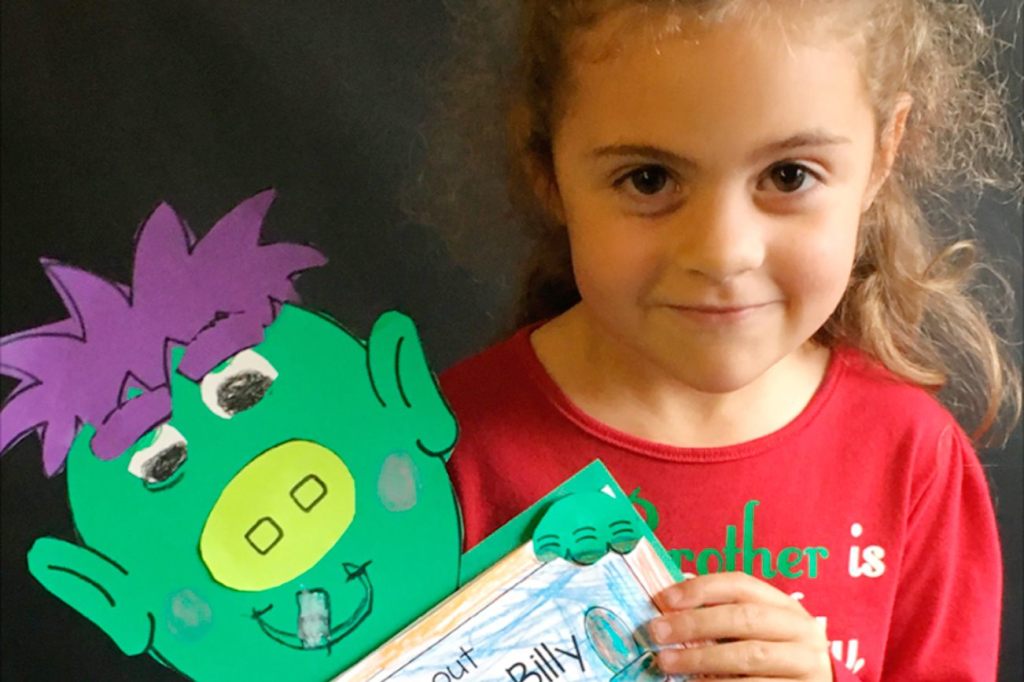
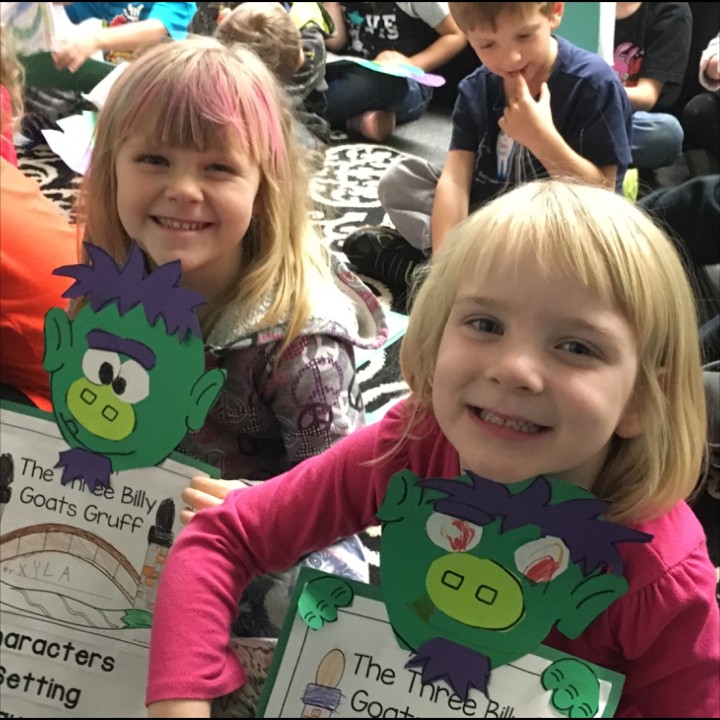
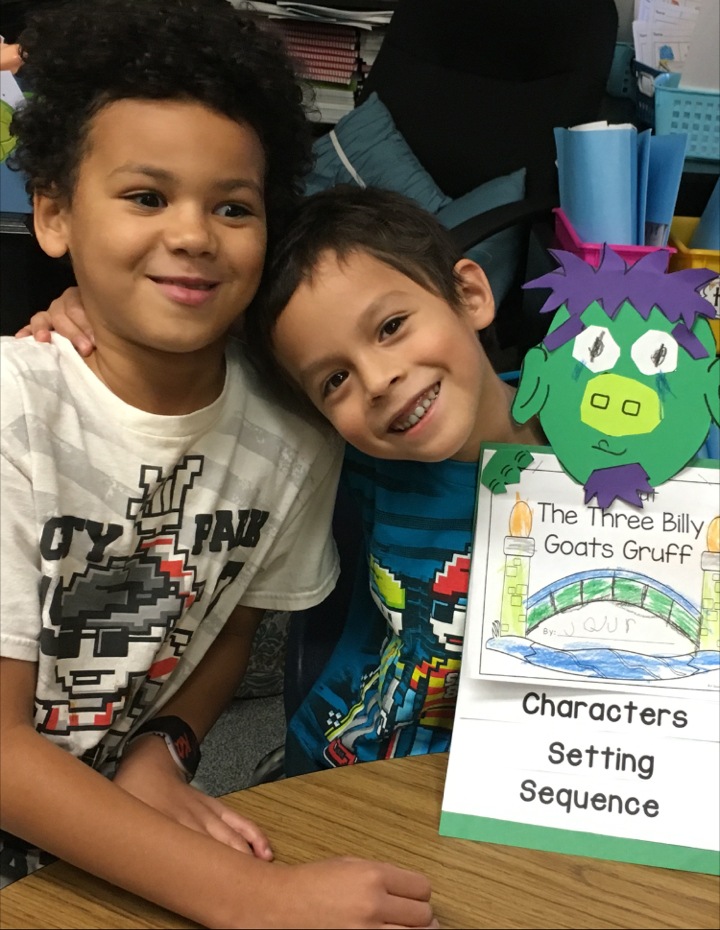
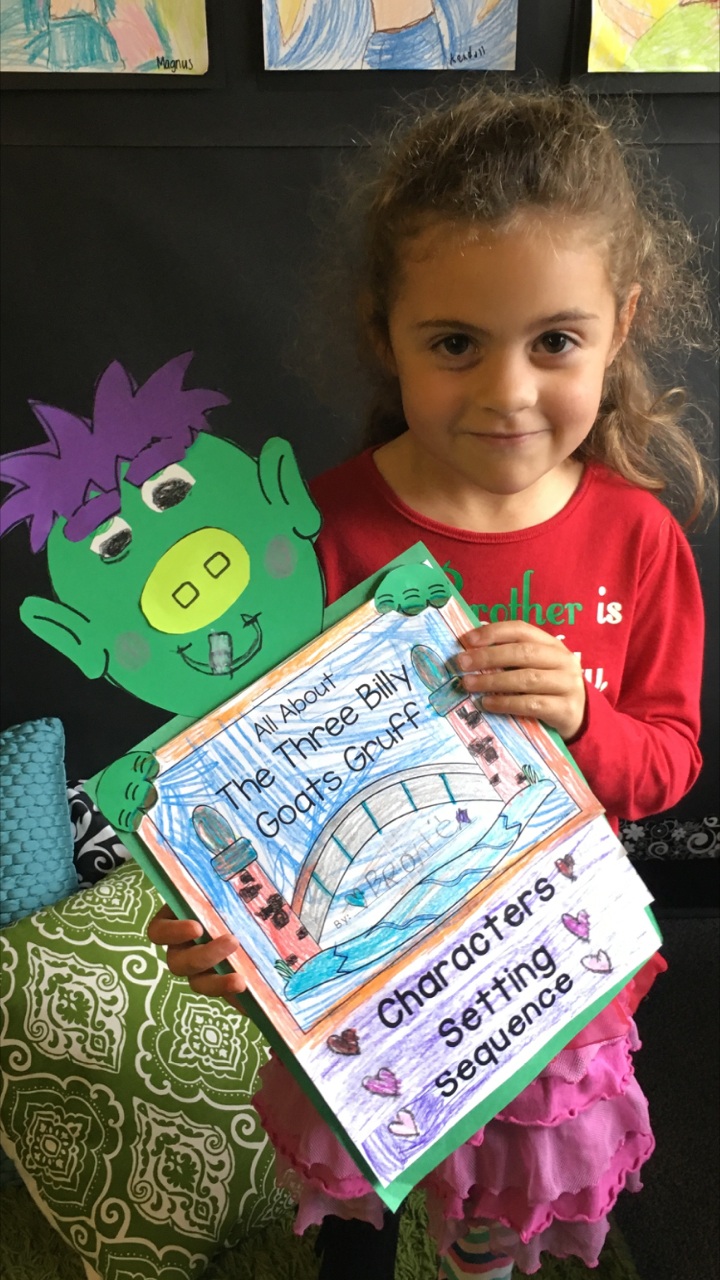
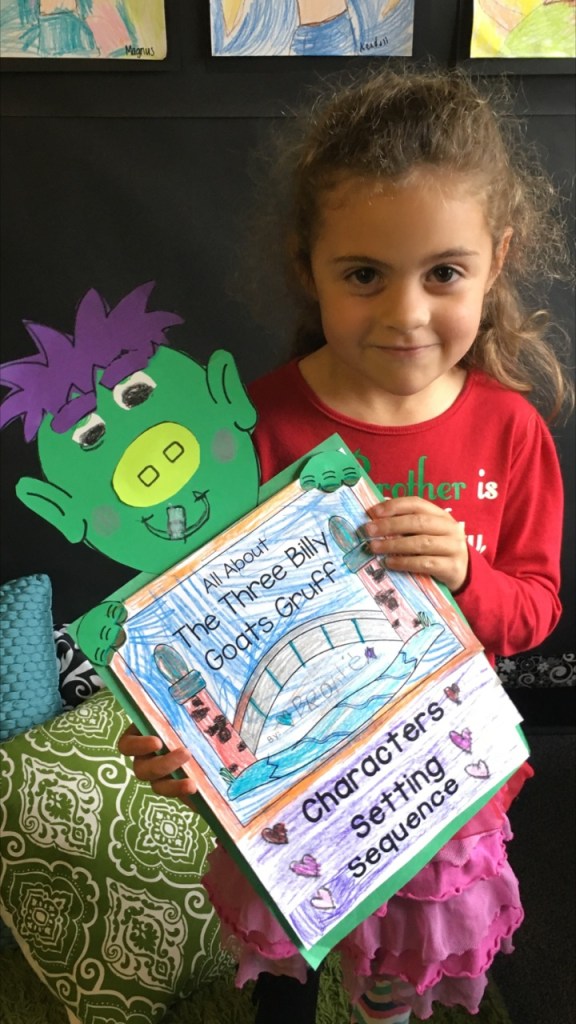
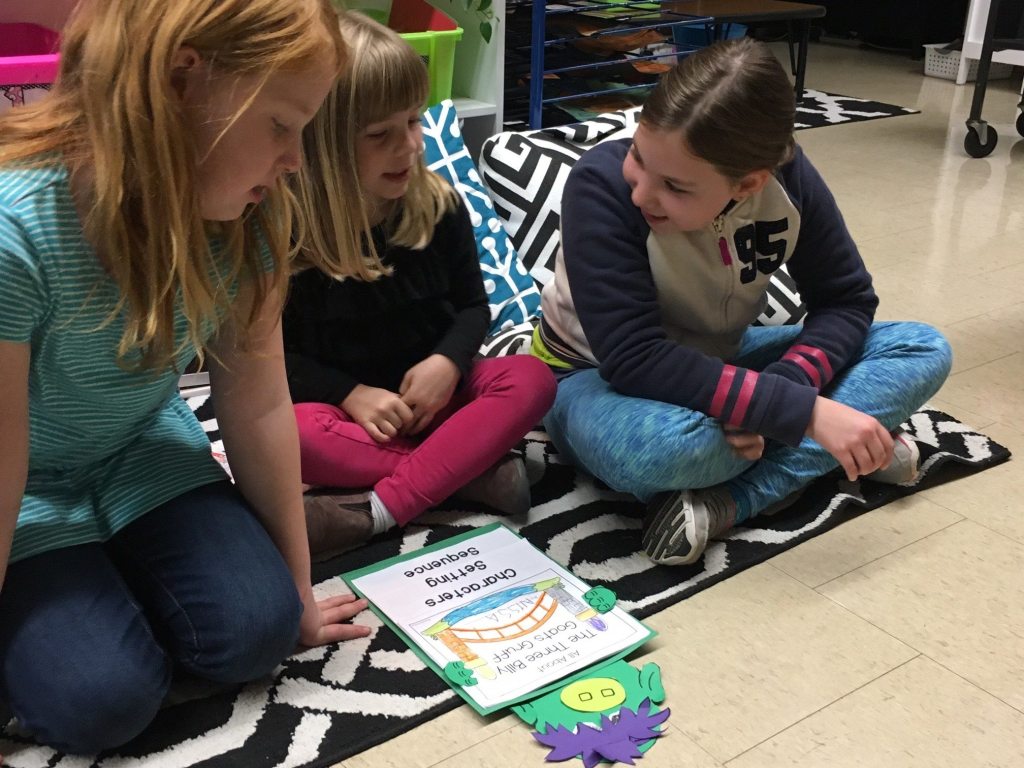
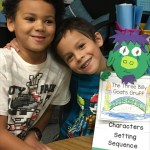
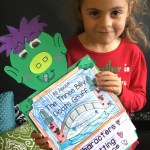
Students in Stephanie Nash’s kindergarten class spent the past three weeks investigating fictional texts. Using folktales and trickster tales as examples, kindergartners explored elements of the stories such as characters, setting, plot, problem and solution.
To finish the unit, students created a book project on the folktale “Three Billy Goats Gruff.” Once finished with the project, students shared their book with classmates.
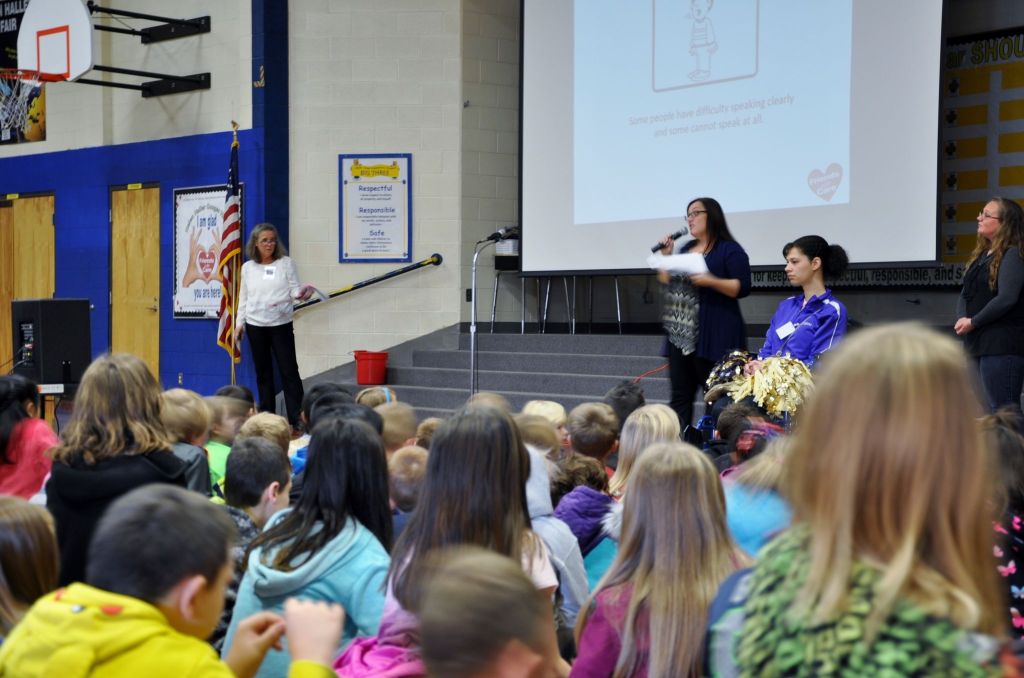
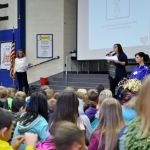
All students attended an assembly called “We are Friends Who Care” on Friday, Oct. 28, in the gym. The “People First” group from the high school also attended. The assembly was designed to help children better understand what it means and how it feels to be a young person with a disability. School counselor Joan Trindle emphasized that diverse perspectives, including those of individuals with disabilities, are valued.
Some people have difficulty speaking clearly and some cannot speak at all, speech therapist Amy Young told the students, and explained that it is OK to say, “Hi!” and wave even if someone doesn’t answer back. Kymmy Carson, sign language interpreter, demonstrated how to say “hello” and other phrases in sign language, to demonstrate for the children how to be friendly to someone who is hearing impaired.
The “People First” group from the high school also attended. The purpose of People First of Washington is to function as a self-advocacy organization assisting persons with developmental disabilities to be recognized as equals and second as people with disabilities.
Its mission is to facilitate and promote public awareness and appreciation that “We are people first and are disabilities secondary and that we are equal citizens in our communities.”
After the assembly, Carolyn Luengen had her third-grade students write down what they learned. Here are some thoughts they had:
Today I learned that people with disabilities can do everyday things just like any other person. It motivates me to think “If they can do that, I surely am able to do it, too.” And just looking at someone who has overcome their disabilities makes me think that if they did something so challenging that seems almost impossible, I can do anything. Julia Reandeau
Today at the assembly I learned about disabilities that some people seem different from others, but they actually are not. If you have a disability, it doesn’t matter. Just believe in yourself, even if people hardly ever say “hello” or wave at you. Everyone has hopes, dreams and beliefs. You can always make things better than they are now, even in a wheelchair or on crutches. Just remember what Martin Luther King Jr. always said: “Everyone can be great!” Kailah Blake
You have challenges, but you have goals, hopes and dreams. Never give up, try hard and live a life you love. Even with disabilities, there is still lots to life. And remember, it’s OK to say “hi” or even wave even if someone doesn’t answer back. Emma Lynn Gilliam
I learned that people can get disabilities from two things. They were born like that or they had an accident like a car crash. That there are lots of disabilities like reading and hearing and writing and that there are a lot more. It’s just many that they have to work harder than others. That you can still achieve your goal but it is going to take lots of more work. I saw a cheerleader from the high school in a wheelchair. Keylee Disinski
I learned that people that have disabilities can still learn. Some people are in wheelchairs and they play sports, and some are deaf and they use sign language to communicate with others, and if people have a hard time saying a word, don’t laugh. And don’t make fun of someone who can’t do a certain thing like us. And if you wave to someone or even say hi and they don’t see you, at least you were trying to be kind. Lillian Hough
I learned from the assembly about people with disabilities is that we should respect them. I learned that even though they are different from you, you still can be friends with them. I learned that you should not disturb a service dog who has a job to do. If you will get the service dog’s attention, you will get the service dog off-task. I learned that if you want to help someone, you have to ask for permission first. I learned if you want to pet a service dog you have to ask the owner first. We have so many differences. I learned that even if you’re in a wheelchair, that doesn’t hold you back from doing something fun. That’s what I learned from the assembly. Ahrya Klinger
OLYMPIC PENINSULA ACADEMY
OPA’s Parent Teacher Organization is holding a Thanksgiving Raffle. All proceeds will benefit 2016-2017 OPA school student projects, supplies and events. The grand prize is everything needed to make a great Thanksgiving dinner: 15-pound turkey, stuffing, rolls, gravy, green beans, cranberries, sparkling cider and pumpkin pie, enough for 10 people. Tickets are available now and are $10 each or three for $20 at the OPA office. The drawing will be held on Nov. 18. Contact Paul Rynearson at 461-4015 for more information.
SEQUIM MIDDLE SCHOOL
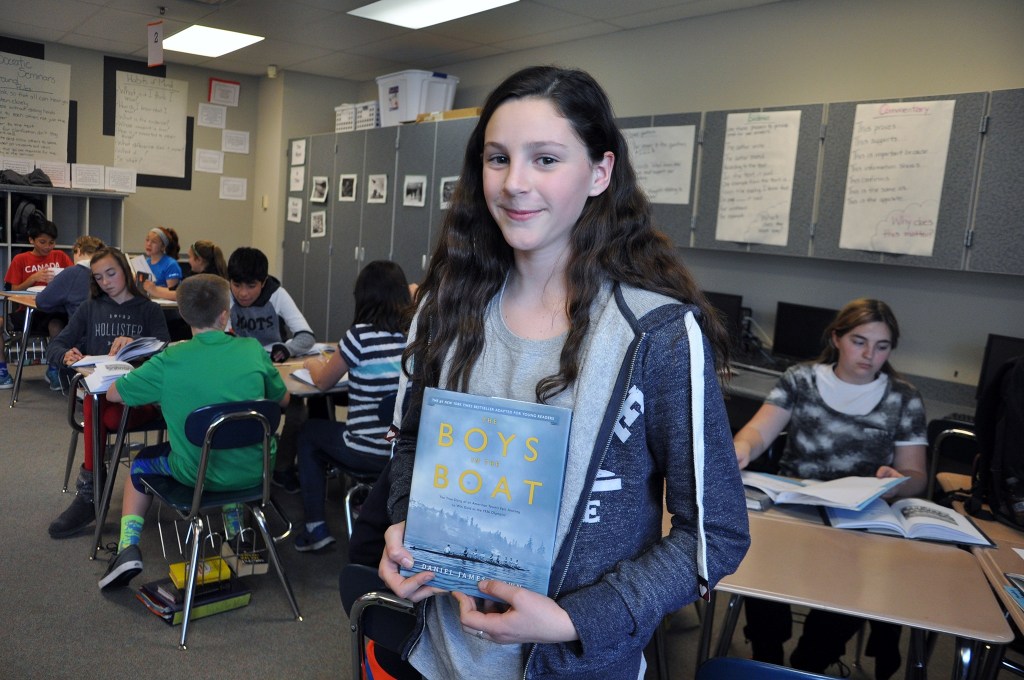
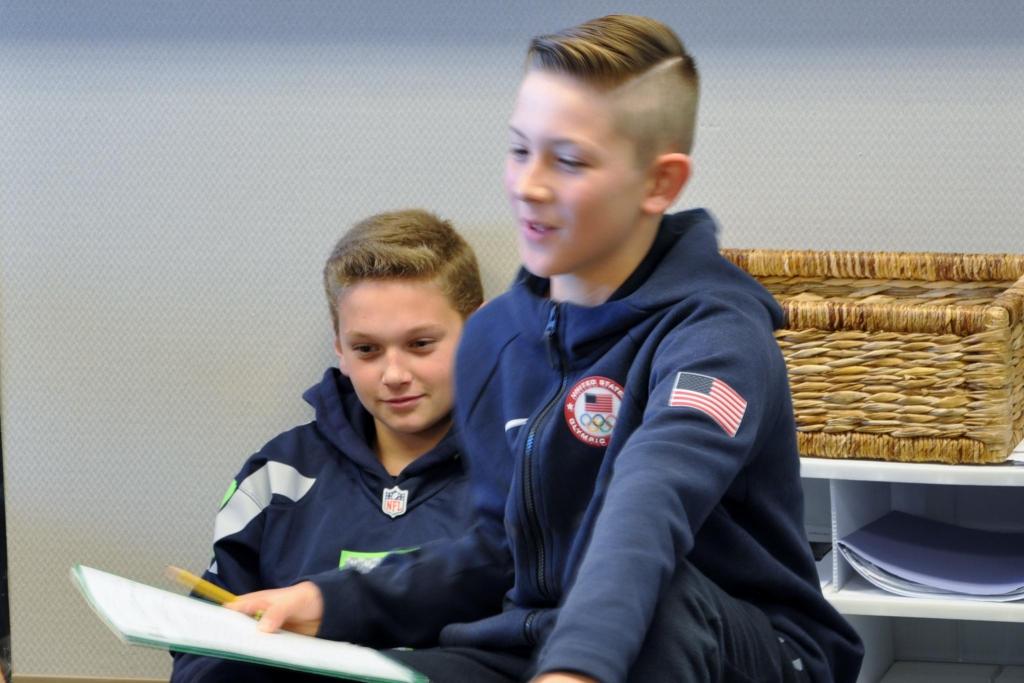
Holly Hornbacher’s seventh-grade language arts students have been reading and discussing the book, “The Boys in the Boat.”
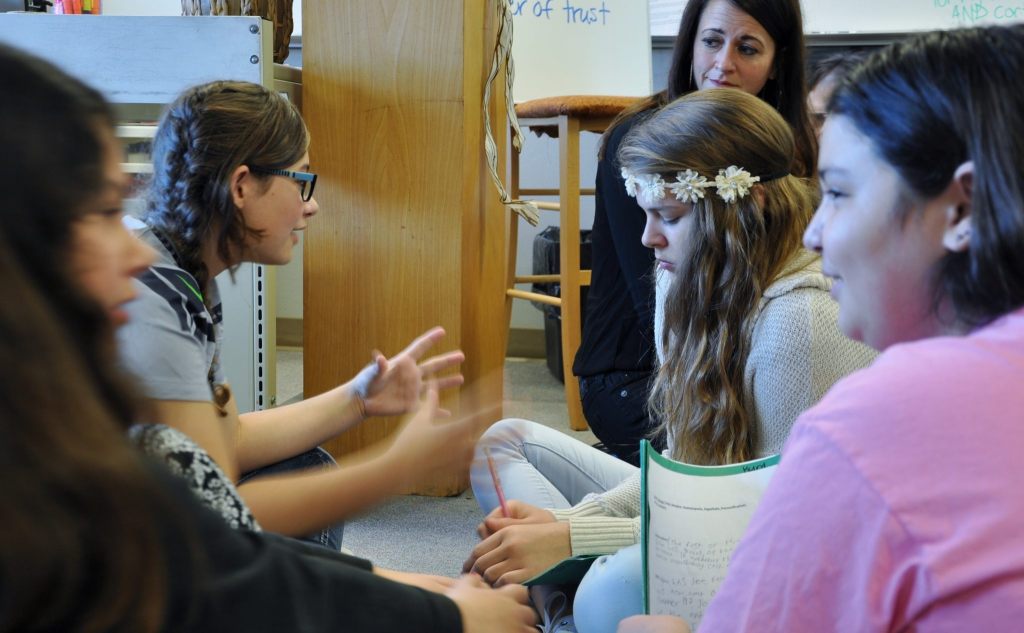
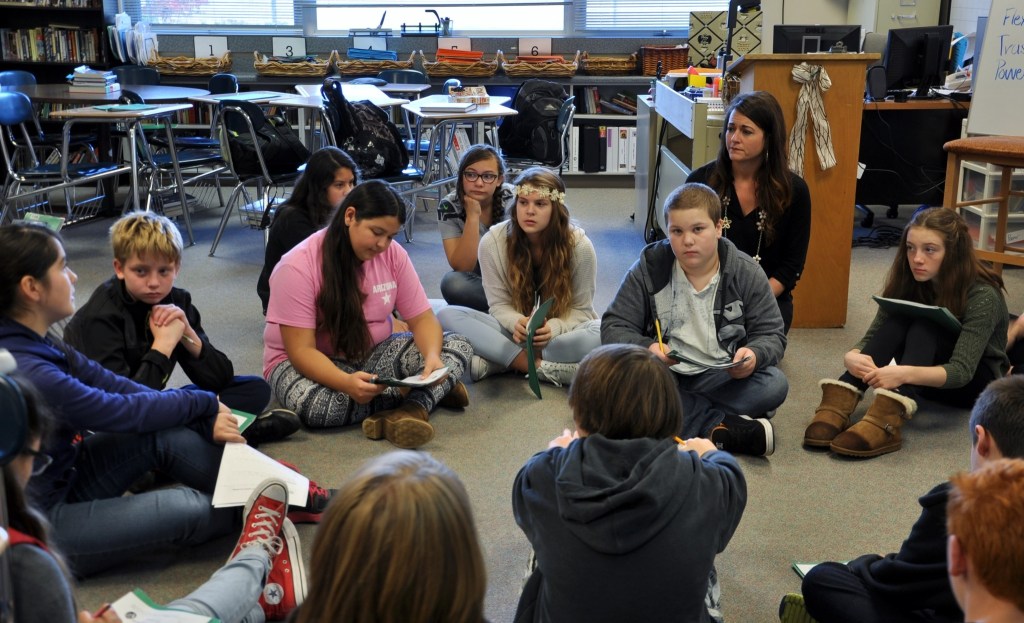
After reading assigned chapters, the class holds a Socratic seminar. Socratic seminars are named for their embodiment of Socrates’ belief in the power of asking questions and prize inquiry over information and discussion over debate.
The Socratic seminar is a formal discussion, based on a text, in which the leader asks open-ended questions. Within the context of the discussion, students listen closely to the comments of others, thinking critically for themselves, and articulate their own thoughts and their responses to the thoughts of others.
They learn to work cooperatively and to question intelligently and civilly.
Students recently discussed topics found in Chapters 18 and 19 of the “The Boys in the Boat” book, including belonging, mental toughness, staying flexible in your mind, trusting in others and the power of trust.
Seventh-grader Lauren Sundin was among a group of students who attended Daniel James Brown’s author talk at Port Angeles High School on Oct. 29. “I liked when Judy (Willman) talked about how she wanted someone to write her dad’s (Joe Rantz) story about winning a gold medal and what it was like in the boat,” Lauren said. “I thought it was interesting when the author talked about the many years of research he did for the book, and even went to Germany and stood where Hitler had stood during the 1936 Olympics boat race.”
SEQUIM HIGH SCHOOL
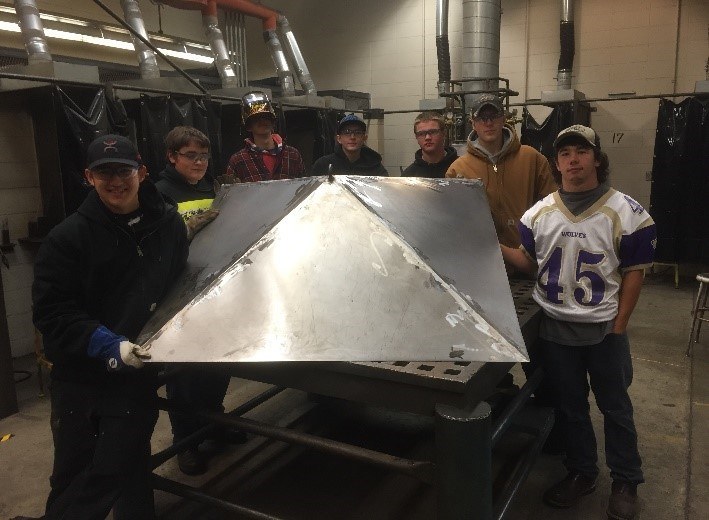
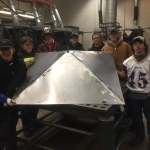
In Bill Seabolt’s advanced welding class, students created a cover for a propane outdoor fireplace as a community project. The students designed the plans, made a materials list and welded the cover. It will be painted Seahawks colors with the Seahawks feathers on all four ridges by the owner. Students involved in this project included Tyler Smith, Tristan Spencer, Cooper VanProyen, Camron Dunning, Matthew Dahll, Cameron Hatt and Jesse Schleve.
Louisa May Alcott’s “Little Women” (adaptation by Scott Davison) performances all begin at 7 p.m. Nov. 11 and 12 in the Performing Arts Center. Tickets are $8/adults and $6/senior citizens and students with an ASB card. For more information, contact director Robin Hall at 460-7860.
Parent/Teacher conferences will be held from 4-7 p.m. Nov. 17 in the gym and from noon-3 p.m. Nov. 18 in the classrooms. Both days will be early release days for the students.