Discussion continues on Clallam’s agricultural code changes
Published 1:30 am Wednesday, January 10, 2024
A draft revision of Clallam County’s Code should be online this week that could add new provisions for farmers and their buildings, events and other zoning standards previously not addressed in code language.
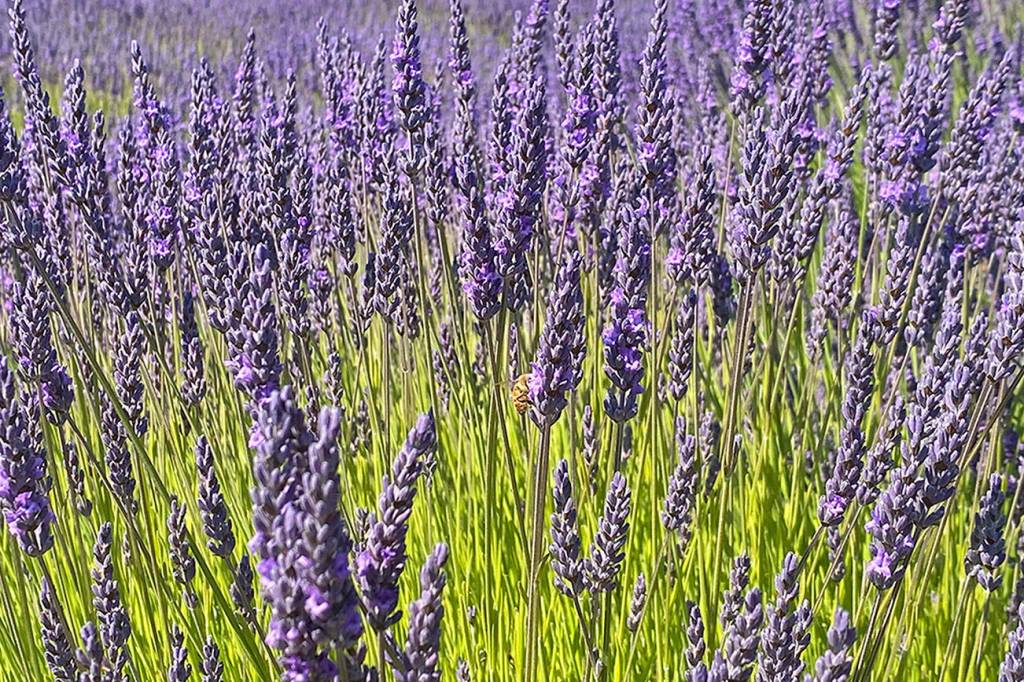
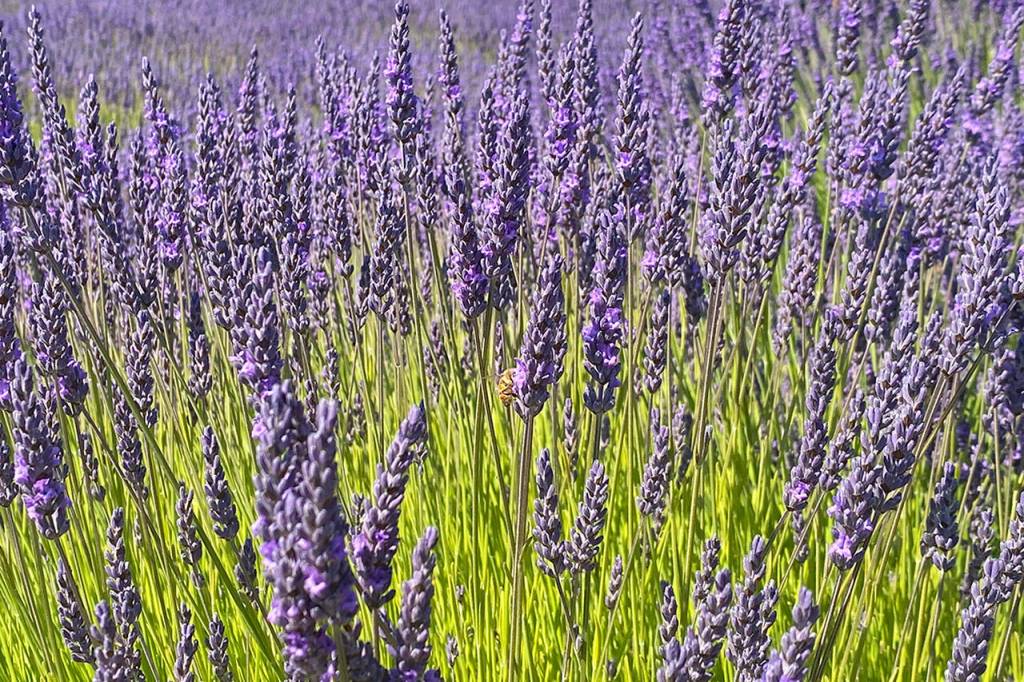
The move to revise the code stems from complaints made in the summer about a few Sequim lavender farms. However, county planners have said they look to address the errant code as a whole rather than the complaints specifically because it hasn’t addressed a changing farming community for decades.
Clallam County’s Planning Commission will meet at 6 p.m. Wednesday, Jan. 17, in a hybrid meeting at the Clallam County Courthouse to discuss the draft amendment.
Read meeting documents at clallamcountywa.gov/765/Planning-Commission-PC.
Find more about this review process at https://clallamcountywa.gov/1751/Agriculture-Accessory-Use-Public-Outreac.
County planners held seven meetings across Clallam County in November and December about “Agricultural Accessory Uses” for more than 120 people, toured eight lavender farms, and received 200-plus survey responses from farmers and residents on general next steps.
Chief Community Development Deputy Director Holden Fleming said at the Jan. 3 Planning Commission meeting that the takeaway from the meetings and surveys was “Clallam County must support its farms.”
He and DCD Director Bruce Emery said at previous meetings that county staff have been good about that and their primary concern is protecting agricultural land and rural communities from the encroachment of commercial use.
In the proposed revisions, planners said they’d address seven broad categories, including agricultural and non-agricultural accessory activities and structures. Fleming asked hypothetical questions at the meetings, such as, “If this wasn’t a farm, would it be allowed here?”
He added that the code won’t differentiate between farm types, such as lavender and cattle farms, because they don’t want to pick favorites or allow special privileges to a specific farm type.
For a proposed “Agricultural Accessory Use” retail store code addition, Fleming proposes differentiating them by acreage, with farms at 3 acres or less wanting a retail store will require a conditional use permit, while farms of three to 20 acres in size will need a certificate of compliance, and those 20 acres and up doing self-certification.
Some of the proposed code language would have stores at 1,000-square-feet or less, and 75% of their products would need to be from the Northwest.
At a Dec. 19 Sequim meeting, Fleming said all of the lavender shops they visited were 1,000-square-feet or less and that seemed like a reasonable size to him.
Staff reiterated multiple times that all commercial buildings the public enter for commercial purposes must have a building permit.
Fleming said he came by the acreage provisions also after visiting farms saying smaller and medium farms tended to have more neighbors and their farm could have more of an in impact on them, so a conditional use permit might be the best option for staff to consider parking, access and other impacts.
Throughout the meetings, farmers have expressed concerns about potential costs of proposed permits. Fleming said the fee helps pay for staff time, legal notices, and more that come in at a varying rate.
In a November Sequim meeting, Emery said they’d consider financial options for farmers.
“If there’s a way of reducing fees for permitting in the interest of preserving farms for crying out loud, that’s something we could do,” he said.
Asked at the Jan. 3 meeting about grandfathering existing retail and structures, Emery said there’s no vesting if a structure is hypothetically unlawful. He added that a moratorium is not an option either, but they have the ability to stay further action on a property.
Farmers were also concerned about getting buildings inspected for a permit before tentative building codes change this spring. Planners said farmers could apply now, but they’d be applying at their own risk because the application is good for only one year.
Fleming reiterated to farmers and the planning commission that they are trying to get something finished before the growing season begins.
Available documents did not address other Jan. 3 discussion points such as weddings, and RV and tent camping.
In survey results released so far, of the 45 agricultural producers who responded, they reported they had a variety of acreages and usage on their farms. Most said they only “occasionally” invite the pubic onto their property (58.7%) or not at all (30.4%). most aren’t open year round or by appointment only.
Of the 180 non-producers who responded to the survey, most are in favor of events with 43.3% saying it “depends on the nature of the event”, 34.4% saying “yes in some cases,” and 11.1% checking “maybe.”
Their biggest concerns for farm events were parking and road access (31.2%), noise (20.8%) and trash (15%).


Best of Olympic Peninsula