Entire Peninsula is open for Great Backyard Bird Count
Published 1:30 am Wednesday, February 14, 2024
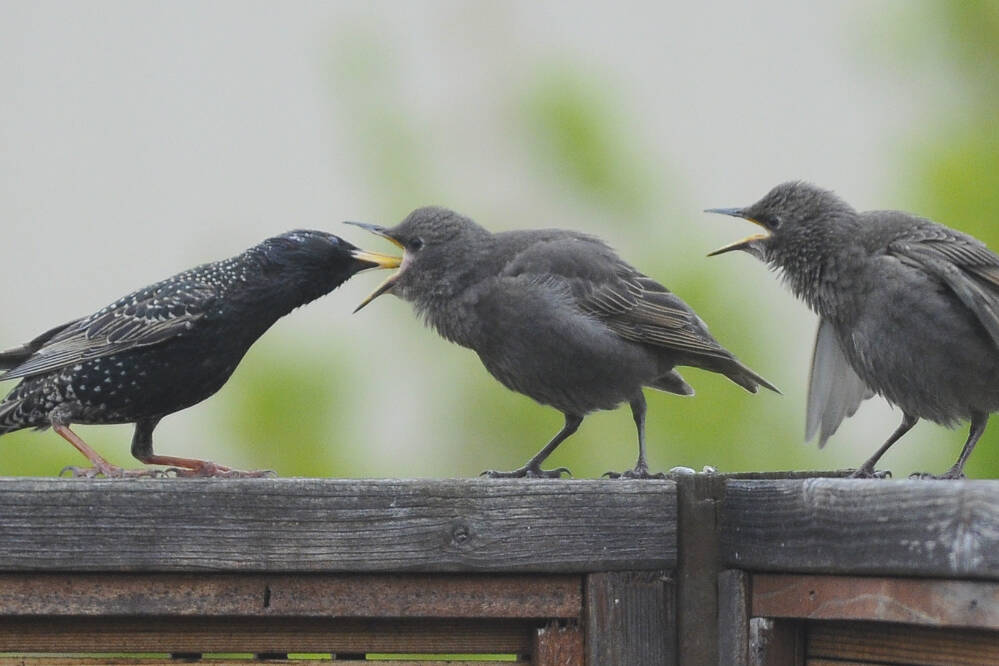
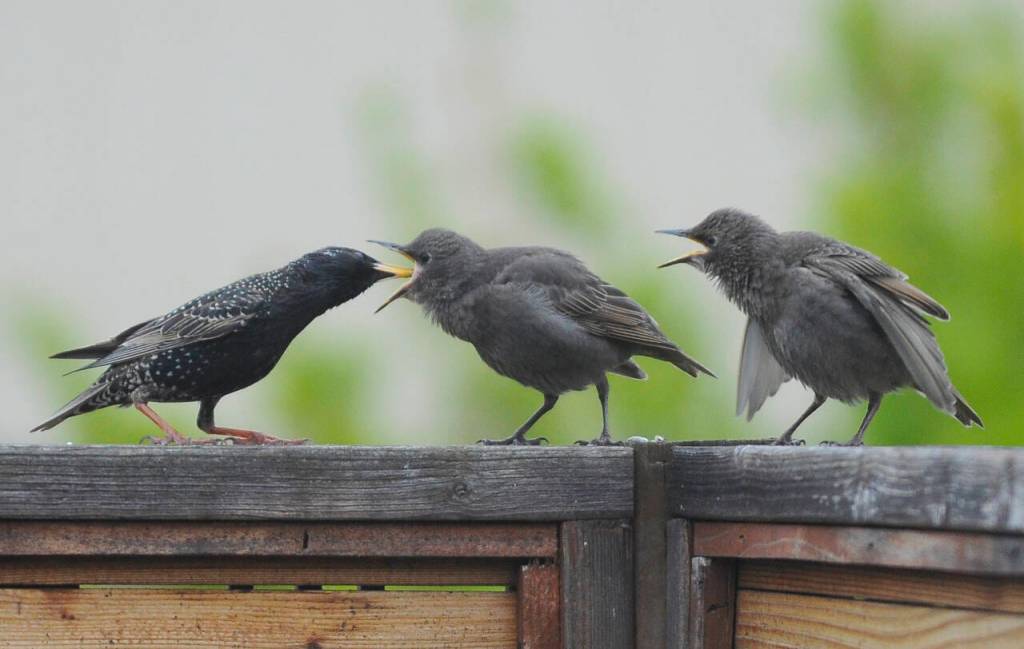

From hilltops, streams, bays and the Strait of Juan de Fuca to one’s own backyard, the entire Olympic Peninsula is fair game for the Great Backyard Bird Count (GBBC).
The annual global effort to track and provide information about the world’s bird populations is set for Feb. 16-19.
Everyone, from expert birders to novices alike, are encouraged to observe, record and report what birds they are seeing in their own neck of the Earth over those four days.
Participating is easy, GBBC organizers say: Just 1) decide where to watch for birds, 2) watch at the same spot for at least 15 minutes of those four days, and 3) identify the birds you see or hear, using any number of tools (including the count’s recommended app, Merlin Bird ID (download at birdcount.org/merlin-bird-id-app).
Launched in 1998 by the Cornell Lab of Ornithology and National Audubon Society, the Great Backyard Bird Count was the first online participatory-science project — also referred to as community science or citizen science — to collect data on wild birds and to display results in near real time.
Birds Canada joined the project in 2009 to provide an expanded capacity to support participation in Canada. In 2013, it became a global project when participants began entering data into eBird, the world’s largest biodiversity-related participatory science project.
“Just about anyone can participate in this,” notes Bob Boekelheide, the former director at the Dungeness River Audubon Center (now Dungeness River Nature Center) who leads bird walks and gives multiple presentations each year about a variety of bird topics.
A Great Backyard Bird Count since its inception, Boekelheide has his favorite spots for the event: Dungeness Bay, Dungeness County Landing Park, 3 Crabs, Port Williams, Washington Harbor and, not surprisingly, Railroad Bridge Park, particularly for songbirds.
“Just go out to the local spot where you tally your birds regularly,” he said. “The way it’s designed now, it doesn’t matter if people go to the same spot. It’s a very open and welcoming activity.”
But people don’t even have to leave their homes to take part, Boekelheide noted.
“Some people just look at their feeders and that’s fine,” he said. “A lot of people just do their yards and their feeders, or walk around their neighborhood.”
Just strolling around Sequim neighborhoods, he said, people can spot crows, gulls, Stellar’s jays, finches, sparrows and others, up to 25 species or more.
And it’s all ages too, the Sequim birding expert said.
“They really like getting your young people out,” Boekelheide said.
He recommends using eBird (eBird.org) to help identify birds. The app can help even novice birders make a reasonably good identification based on a few traits.
Users of eBird need to create an account, though they can remain anonymous, Boekelheide noted.
“It’s an incredible tool see what other people are seeing … [and] what field marks to look for,” he said.
Boekelheide said local bird populations in Sequim have really changed since he started tracking them — in particular, Anna’a hummingbirds,which weren’t seen until the 1990s, with a few normally spotted during Christmastime counts. For one or two years at a time none were spotted, he said, until 2008 when their local numbers skyrocketed.
“[They’ve] gone from a rare bird to common a backyard bird,” Boekelheide said.
Others, such as the house wren, have seen their populations drift from south of U.S. Highway 101 to Sequim’s northern regions, while the snowy owl, a bird with well-documented research into its decline, had been seen on the Olympic Peninsula through 2013 but in recent years hasn’t been seen at all, he said.
Some places on the Peninsula don’t get much coverage with the GBBC, Boekelheide said — including areas west of Port Angeles or up in the Olympic Mountain foothills — but just about any spot in the area is a good spot to count birds.
“Everything is considered your backyard,” he said.
For more about the Great Backyard Bird Count, visit birdcount.org.
Count birds at Lyre Conservation Area
Community members are welcomed to grab their binoculars and count birds with the North Olympic Land Trust at the Lyre Conservation Area from 9-11 a.m. on Saturday, Feb. 17.
Bird lovers of all ages and all skill levels are encouraged to join. Experienced birders will be onsite to help with bird identification.
Event organizers will gather in the parking area and lead the participating group to the beach.
A small number of binoculars will be available to borrow. Attendees are encouraged to wear comfortable walking shoes, and bring snacks and drinking water.
Registration is not required, but recommended to let organizers know how many participants to expect. Contact the Land Trust about this event at northolympiclandtrust.org/events.
From Port Angeles, drive about 3 miles west on U.S. Highway 101, then turn right on Highway 112. Drive about 14 miles, then turn right on Reynolds Road and drive less than a half mile to a small parking area.