Kee helps others — and herself — express grief through creativity
Published 1:30 am Sunday, February 15, 2026
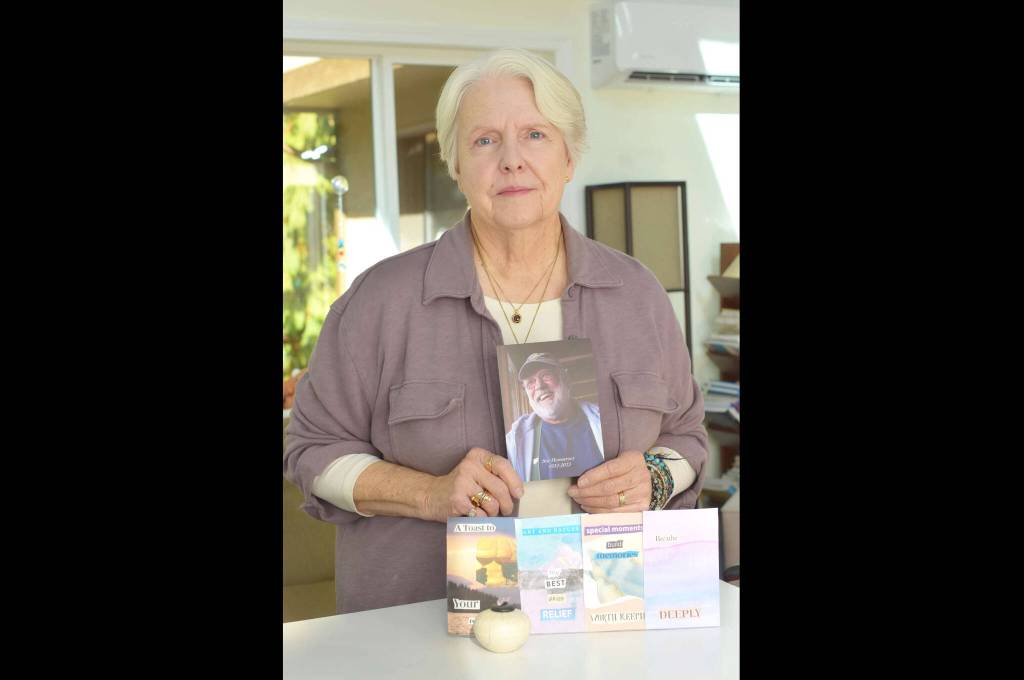
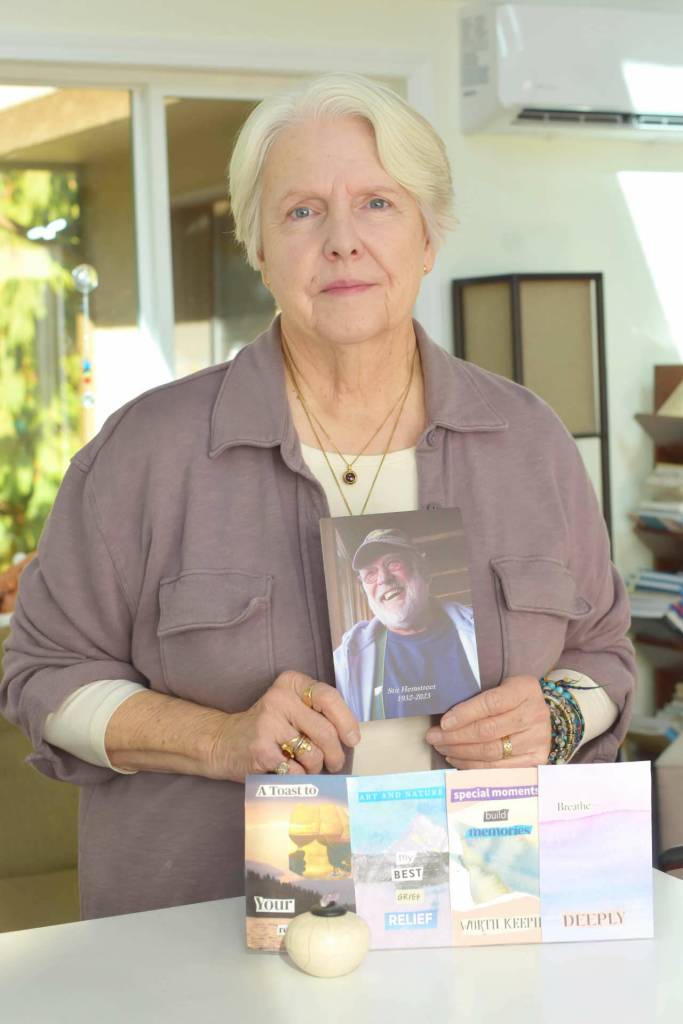

When Sheila Kee’s beloved husband, Stu Hemstreet, died in 2023 she did what many people do: she attended a support group where everyone shared their story. Although it was helpful, Kee came to realize that talking wasn’t necessarily her best path to healing.
“I realized that for me, what really helped with the grieving was nature and doing art,” she said.
Kee began creating what she came to call “healing cards” — small, three-by-five collages made from magazine clippings, fragments of words, and pieces of her own earlier artwork. She spent hours at a time assembling them, not with a finished product in mind, but as a form of release. Words that might seem ordinary to someone else took on new meaning when viewed through the lens of grief. She clipped them instinctively, letting emotion guide the process.
She shared the cards with friends who were grieving losses of their own. Many placed them around their homes — on mirrors, refrigerators, or bedside tables. Kee began to sense that what had helped her might help others, too.
She shared her work with the staff at Volunteer Hospice of Clallam County (VHOCC), a nonprofit that had provided critical assistance during Stu’s final days. Their enthusiastic response opened the door to something new: grief support rooted, not so much in talking, but in creative expression.
Working with hospice, Kee developed a pilot class that blended art, writing, music and memory-making into a structured yet gentle four-week program. Participants were invited to explore grief through multiple avenues — without pressure, judgment, or artistic expectations.
One session focused on creating healing cards. Another used writing prompts, giving participants notebooks and time to write freely before sharing with the group. Music and sound became another tool, helping participants explore the emotions stirred by particular songs or music. The final session centered on memory boxes, which participants decorated and filled with photographs, letters, keepsakes, or small objects connected to their loved ones.
The response surprised even Kee. The group — mostly women grieving spouses or partners — formed immediate bonds. Sharing grief in creative ways fostered a sense of safety and connection that extended beyond the classroom.
“What we were doing wasn’t really about art,” Kee explained. “It was about expressing ourselves.”
That distinction proved important. Many participants initially hesitated, worried they “couldn’t do art.” Kee was careful to frame the classes not as art instruction, but as emotional expression. Once that fear fell away, people opened up.
The first class, held in April 2025 at VHOCC’s offices in Port Angeles, began with eight participants. One person opted out early, uncertain about working with words, but the rest stayed — and returned week after week. Some who were unsure at first found themselves deeply engaged once they experienced how supportive the environment was.
Since then, the impact has continued. A smaller group of five women now meets monthly for lunch and informal creative projects — everything from origami and alcohol ink painting to decorating cookies and making friendship bracelets. Though the activities vary, the bond remains rooted in shared loss and compassion.
Path to healing
Stu was a scientist and porch philosopher who approached death with curiosity rather than fear. He couldn’t wait to find out what awaited him on the other side, and he enjoyed conversations with people who enjoyed discussing such matters.
Just as the COVID-19 pandemic began in 2020, Stu was diagnosed with non-Hodgkin’s lymphoma. He endured years of treatments, surgeries, and complications. Pandemic-related lockdowns were especially difficult because Kee was not allowed to be with him during his hospital stays. They were forced to communicate by phone.
When his condition worsened, Stu was clear about his wishes: he wanted to maintain his dignity, be as pain-free as possible, and die at home.
Volunteer Hospice of Clallam County made that possible. Nurses, volunteers, and support staff helped Kee manage his medical needs at their Sequim home, provided equipment and guidance, and even paired Stu with a volunteer who fulfilled his wish to smoke a cigar with someone who would engage him in a philosophical conversation.
Stu died at home on Nov. 19, 2023.
“It’s been over two years for me,” Kee said. “And I’m still grieving. I don’t know if anyone ever really gets over it.”
Grief, she has learned, does not follow a schedule.
What would Stu think of her volunteer work with hospice? Kee thinks he would “absolutely love it.”
Participation in her classes is flexible; attendees are welcome to come to one session or all of them. The goal is not completion, but connection.
“I’m so grateful that I have something to offer,” Kee said. “It’s very humbling to be part of people’s lives as they go through one of the most intimate things anyone can experience.”
This spring, Kee will again offer a six-week grief and creative expression class, expanding to include gentle drawing and sketching alongside writing and collage. The emphasis will remain on accessibility and emotional safety, not artistic skill. Additional sessions are being discussed for later in the year, potentially in both Sequim and Port Angeles. Classes will likely be limited to eight people.
For Kee, the work is about honoring both herself and her husband.
“I feel like everything I’m doing honors Stu,” she said. “And I feel his presence with me. That’s what matters.”
Those interested in participating can contact hospice directly at 360-452-1511 for information about upcoming sessions or to reserve a seat. Kee hopes that whether one person attends or many, the space she helps create will offer what she once needed herself: permission to grieve, to express, and to heal.