Get It Growing: Ask a Master Gardener — Beware of tempting seed catalogs
Published 3:30 am Wednesday, March 4, 2026
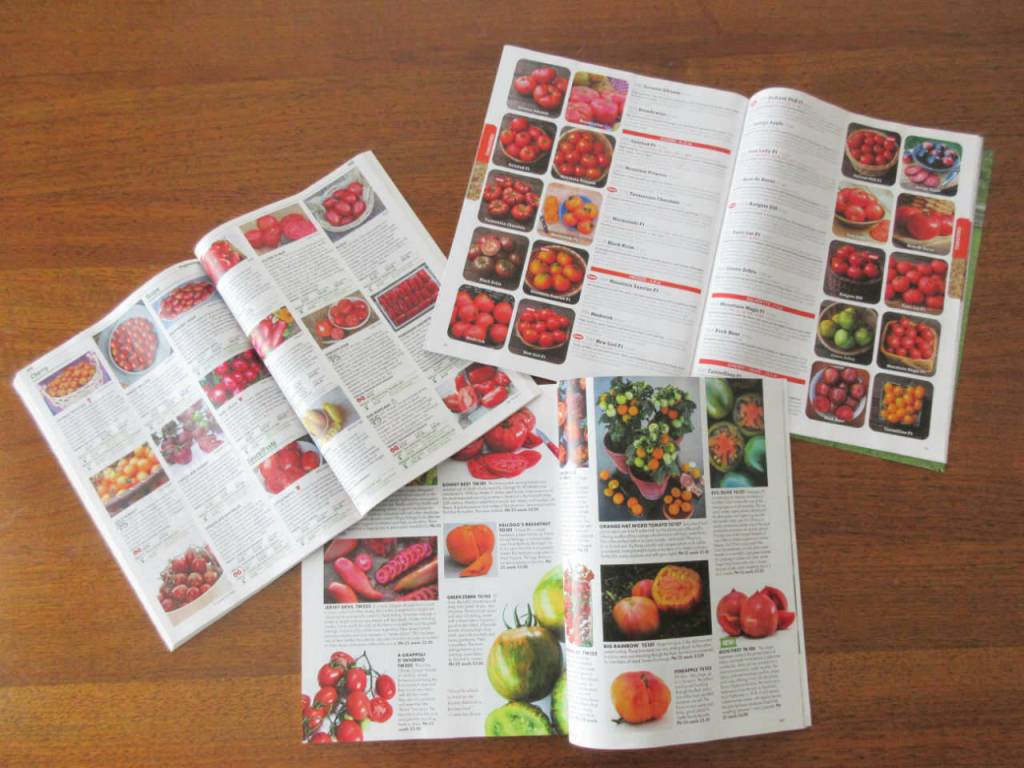
Q: I get a lot of seed catalogues and spend tons of money on seeds every year. Sadly, the resulting vegetables, flowers, and plants often do not measure up to my expectations. Any tips?
A: Seed catalogues are enticing. They arrive in the depths of winter when we need a gardening pick-me-up and offer a bellyful of colorful and interesting choices.
You are not alone. We all want to buy, buy, buy. But the purchases can be disappointing, even if you get around to planting all those seeds.
Seed catalogues are a valuable resource for home gardeners. They provide access to hundreds, if not thousands, of plant varieties — including heirloom, organic, and indigenous plants — that are unavailable at local garden centers and chain stores.
They are a good source of gardening information. They describe in detail the varieties that they sell and how they differ from other varieties of the same plant type (e.g., size, growth habit, days to maturity, and disease resistance). They often provide instructions about how to grow the plants successfully, including site requirements, planting, care through the season, and harvesting tips.
Online catalogues offer additional benefits such as search filters that help you quickly find plants appropriate for your garden and product reviews by other customers.
Some online catalogues even provide tools to help you plan your garden, although these usually require a fee or subscription. One example is the Territorial Seeds Online Garden Planner, which helps you select plants and/or varieties appropriate for your climate and develop a planting scheme that incorporates the dimensions of your garden and surrounding structures. The Planner tells you when to plant, how to space the plants, and, if you have used the tool previously, what not to plant in an area of your garden because of previously grown crops.
But seed companies are businesses that want to sell you something and sometimes the hype in their catalogues leads to disappointments in the garden.
Here are a few tips when using seed catalogues.
Don’t be misled by photos. Photos, especially photos of flowers and vegetables, stimulate the senses and trigger the “I must have this” response. Photos, however, show limited perspectives of the plant; they can also be color enhanced and photoshopped.
Read the written descriptions. Words can be less misleading than photos. Nonetheless, beware of extreme claims and superlatives. Certain words may be telling you more than you think. For example:
• “Mild tasting” might mean bland.
• A “vigorous” grower may take over the garden.
• Vegetables touted for their “beauty” may not be especially tasty.
• A “pungent” plant may actually have an offensive smell.
Read customer reviews. Customer reviews reflect plant performance under real-world conditions. To be most useful, select reviews relevant to your region and the growing conditions in your garden.
Many reviewers upload photos of their harvests, showing more realistic results than the idealized catalogue photos. Look for pictures showing mature plants, harvested vegetables, or flowers to verify size, color, and overall appearance. These authentic visuals help set appropriate expectations and confirm that the variety matches the catalogue description.
Consider asking friends and neighbors who garden if they have purchased seeds from the company and what their experience was like. A good review by someone you know and trust can go a long way.
Research information using independent, unbiased sources. University-based websites, gardening books by knowledgeable authors, the U.S. Department of Agriculture, and well-known organizations dedicated to certain plant types are good sources of information.
Two websites of note include Great Plant Picks and All-America Selections. Great Plant Picks (greatplantpicks.org), a Seattle-based nonprofit organization, is committed to creating a comprehensive list of hardy, reliable plants for the maritime Pacific Northwest that will be easy to grow. The site focuses on ornamentals and can be searched by plant name or characteristics (e.g., drought tolerance, deer resistance, plants for containers).
All-America Selections (all-americaselections.org) is a nonprofit organization that tests new and unknown annual and perennial flowers and vegetables and identifies “winners” that perform well in different regions in North America. Users can search the “winners” by name or use filters such as region, suitability for growing in containers, and being pollinator friendly.
Seed catalogues can be a ray of sunshine when they arrive in the throes of winter. They can provide access to plants unavailable locally. They can educate and inspire you.
To avoid garden disappointments, however, be sure to do your homework and select seeds and plants that are right for you and your garden.
If you have a gardening question or problem, email the Clallam County Master Gardener Online Plant Clinic at mgplantclinic.clallam@gmail.com.
_____________
Jeanette Stehr-Green and Audreen Williams are WSU-certified Clallam County Master Gardeners.