Traveler’s Journal: A tour of Tasmania
Published 3:30 am Wednesday, March 25, 2026
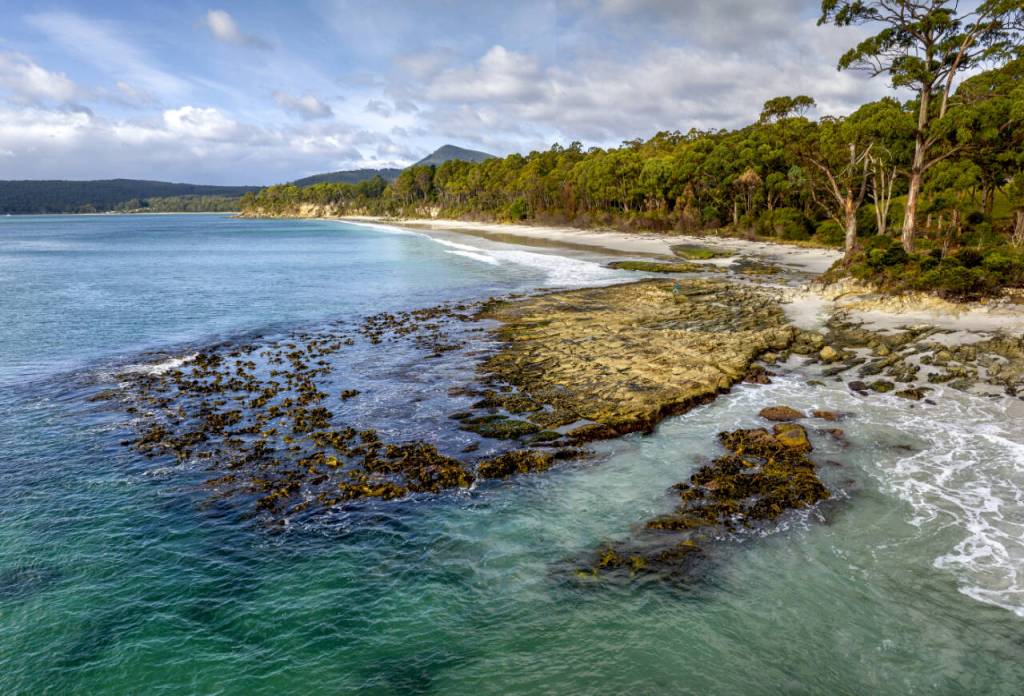
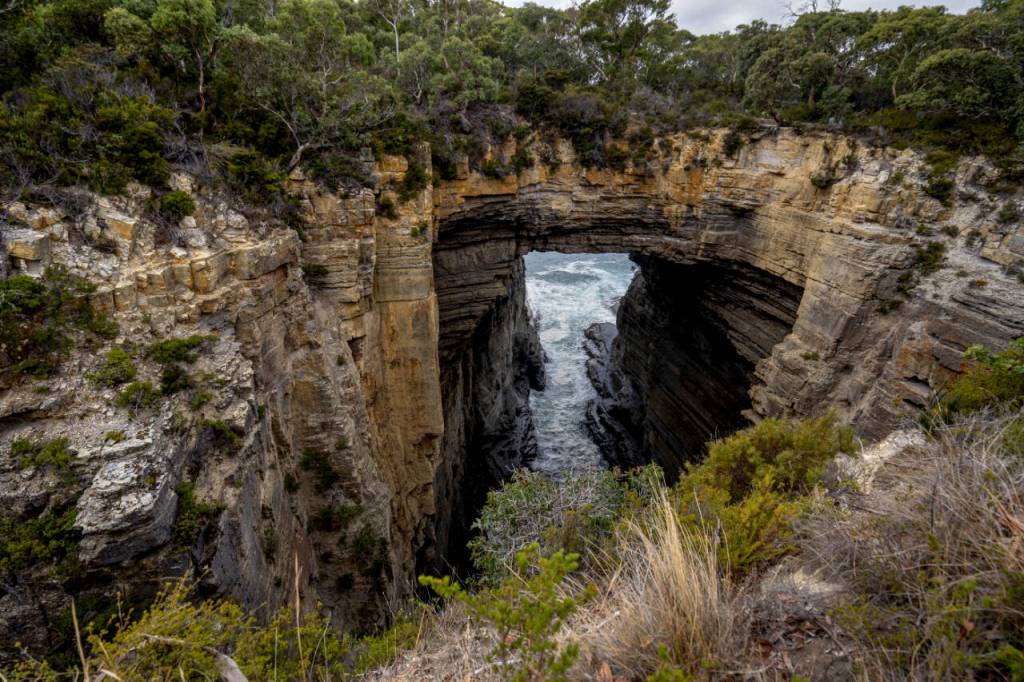
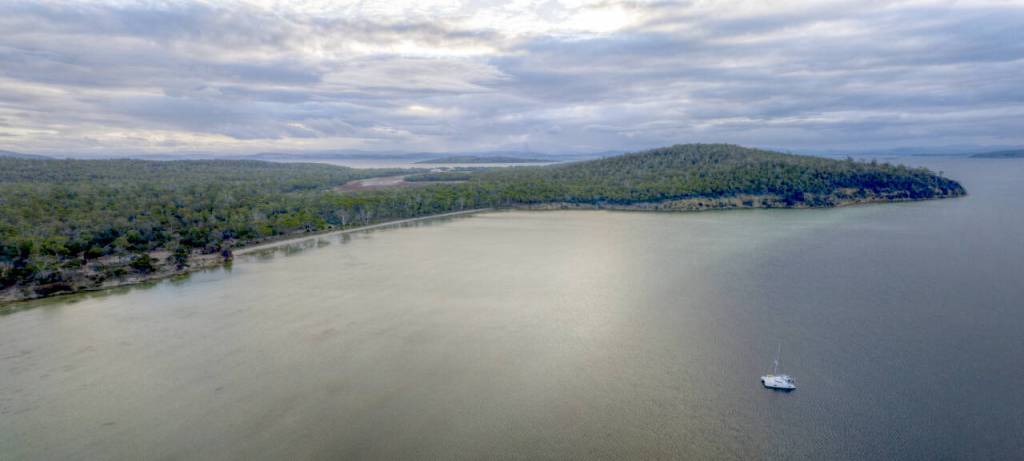
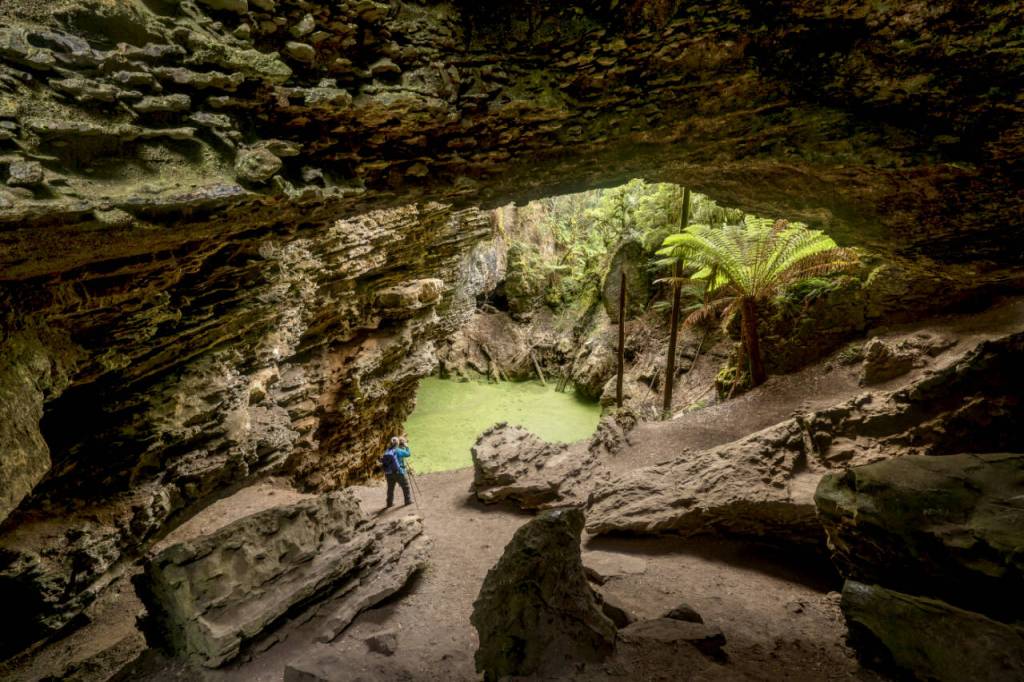


Though I had been to mainland Australia, I always wanted to visit Tasmania. In my mind, Tasmania is almost another country. It was time to check off another bucket list item, so my wife and I went in April 2025.
The first thing you have to realize is just how far Tasmania is from Sequim — roughly 8,300 miles. With a stop in San Francisco and another in Melbourne, Australia, it took us through four airports and around 24 hours of travel before finally landing.
Like most of our adventures, we don’t plan to be in certain places at a given time. We had rented a camper van before leaving, which gave us maximum flexibility and freedom. Our first destination was the Tasman Peninsula given its proximity to Hobart so we could stock up and organize.
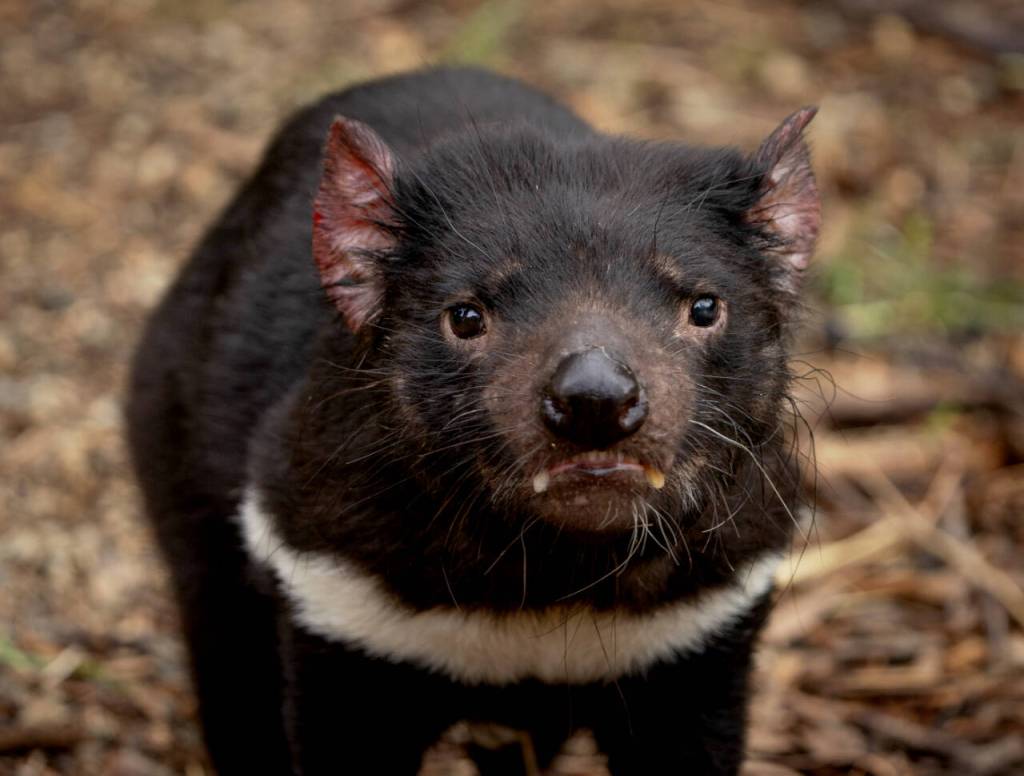
I was struck by how much the area looked like the Northern California wine country, with rolling hills, trees, farms and vineyards. On the peninsula was the Tasmanian Devil Unzoo, containing native animal species in a cageless, native habitat where barriers don’t exist or are concealed.
After two nights on the Tasman Peninsula, we traveled to Bruny Island for one of my favorite places on the trip: Adventure Bay.
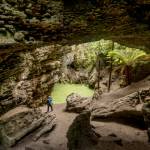
Then, heading west, we encountered dense rainforests, large trees, and huge ferns. The western side of Tasmania is remote and not very populated. There are two large roadless parks that encompass most of southwestern Tasmania that we did not explore. We drove as far as the small town of Strahan, a remote village with its small gauge railway and gateway to many parks and preserves. Truly a stunning area.
Turning north we headed for the northwest coast, going through a magical area called the Tarkine Drive. This loop road was curvy and encompassed multiple biomes. Our favorite was the rainforest with amazing bird song ringing throughout the canopy.
On to the north coast and the towns of Burnie and Devonport, and the landscape changed from rainforest to open ranches and farms. We were attempting to cover all the locations driving in a counter-clockwise direction around the island state.
Our next stop was another favorite, Cradle Mountain National Park. It is known for dramatic, jagged peaks and stunning glacial lakes at a higher elevation. It is also a place to see the most cuddly animal in the wild, the wombat.
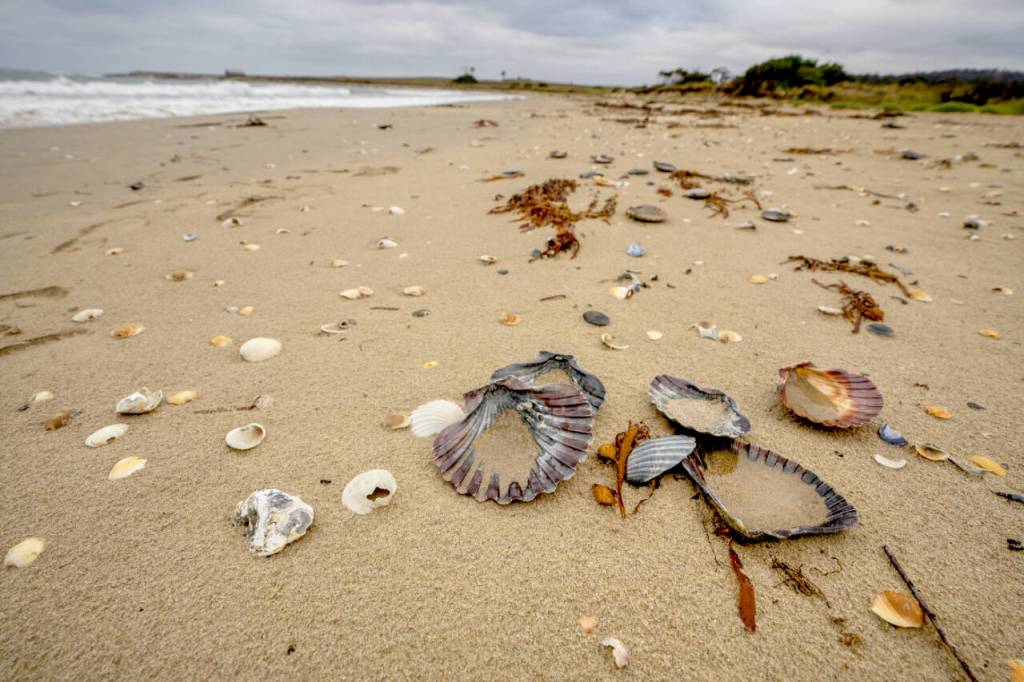
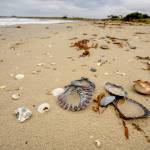
Continuing our journey to the northeast coast, known for sunny and drier weather, we visited Mount William National Park, Bay of Fires, and the coastal town of St. Helens. Further south was Freycinet National Park followed by the clear water of Kelvedon Beach, with its sandy beach covered in sea shells. One of the most photographed landmarks in Tasmania is the Kelvedon Boat Shed.
Heading back to Hobart we stopped in the town of Richmond, which has the Richmond Bridge. Built in 1823 by convicts from standstone, it is Australia’s oldest bridge still in use. We completed this journey in 13 days, never staying long in one place.
About the presenter
John Gussman has spent 52 years behind a camera. He first became interested in photography as a means to share the natural beauty of the places where he travelled.
After getting a degree in photography, he began working full time in 1973 as a staff photographer for a newspaper in the bay area. Moving to Washington State in 1979 to be closer to wilderness, and with Olympic National Park as his backyard, he began to photograph this new natural playground.
In 1982 Gussman began his own business, Doubleclick Productions, and found he had a natural talent for photographing architecture and other commercial location work. After doing that for over three decades, he now focuses most of his attention on capturing landscapes, people and adventure, wildlife, and the outdoor lifestyle.
Working locally and abroad, Gussman is actively doing projects to help tell the stories of companies, nonprofits, and environmental organizations.
About the series
Traveler’s Journal, a presentation of the Peninsula Trails Coalition, raises funds to buy project supplies and food for volunteers working on Olympic Discovery Trail projects. Shows start at 7 p.m. Thursdays at the Dungeness River Nature Center, 1943 W. Hendrickson Road. Gussman’s presentation on March 26 is the final presentation in the 2026 series.
Admission is a suggested donation of $10 for adults.
For more information, or to offer to be a future presenter, email Arvo Johnson at amjcgj@gmail.com.


Best of Olympic Peninsula