Get It Growing: Come see and learn at the Woodcock Demonstration Garden
Published 3:30 am Wednesday, April 22, 2026
Dear readers,
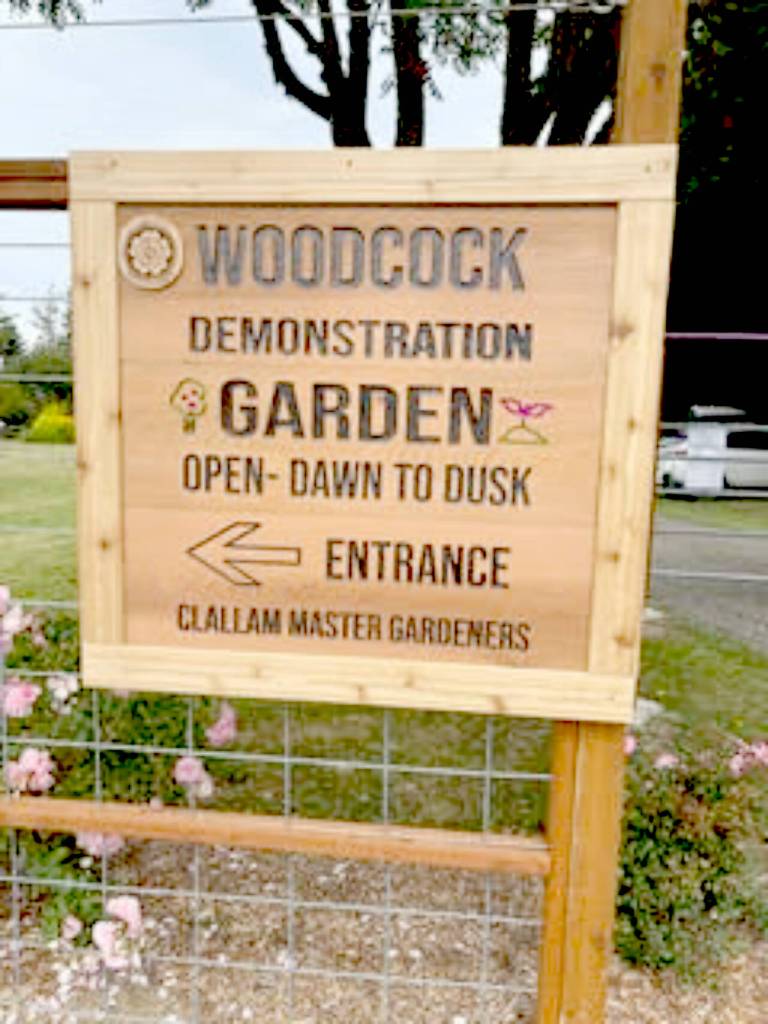
You are cordially invited to wander through the Master Gardener Woodcock Demonstration Garden. It is a beautiful place to enjoy the changing seasons.
Although much is still sleeping in spring, there is always something to see and learn. Woodcock Garden is a beautiful spot for a stroll, photography, plein air painting, or a picnic on a sunny day.
On Saturday, May 2, it will be the place to be for the annual spring Plant Sale!
The Garden, located at 2711 Woodcock Road, is open to the public year-round, dawn to dusk (except April 29 — May 1, while we prepare for the Plant Sale). Parking is available in a small gravel lot just west of the main entrance.
A quick stroll through Woodcock Garden:
From the west parking area, enter through the gate and stroll across the bridge over the wetland. Be sure to latch the gate behind you to keep the deer out. The path immediately offers you several choices of where to start. To the left, tucked into a moist, shady circle, is the Mushroom Garden, where you may spot shiitake, oyster, and wine cap mushrooms.
Continue past the Shade Garden to the Winter Garden, which highlights plants chosen for year-round interest, featuring evergreens, grasses, flowers, and dwarf trees that shine even in the colder months.
Backtrack slightly for your walk into the Shade Garden, where a gentle path winds through woodland and wetland plantings. Native and non-native shrubs, ground covers, ferns, and shade-loving flowers create a cool, layered landscape. A one-way trip puts you out on a large lawn area on the east side of the garden.
Continue to wander as you see fit. There are more than 20 special garden areas to discover, each one with its own flavor and identified with a red sign displayed on a 4×4 post.
In the eastern section of the garden, you will immediately see the new Accessible Garden, designed to demonstrate inclusive gardening techniques. It includes raised beds, trellises, and paved walkways for gardeners of all abilities.
Follow the driveway and you will find the Soft Fruit area (small, soft-fleshed fruits grown on shrubs, canes, or low plants), which highlights berries well suited to the Pacific Northwest climate, including raspberries, blackberries, currants, gooseberries, aronia berries, and, of course, blueberries and strawberries.
Next, and to the left, you will see the greenhouse. Go ahead and take a quick peek inside; it should be full this time of year with veggie, herb, and flower starts for the May plant sale.
Continue along the driveway, past the Propagation Station, and you can’t miss the Orchard that runs along the entire north perimeter. It displays fruit trees best adapted to the area and demonstrates pruning, espalier, and maintenance techniques. New vine fruits such as kiwi and grapes have also been added recently.
Look carefully for the apple espalier (apple tree trained to grow flat against a support in a decorative, space-saving pattern). You may see mason bee houses with blue orchard mason bees busy pollinating the early bloomers. These houses support native pollinators that play a crucial role in fruit production.
The raised vegetable beds are located in two areas, in front of the orchard and behind the classroom building. These beds demonstrate several types of raised bed construction, as well as year-round planting and maintenance strategies. All the harvest is donated to the local food bank.
In the center section of the garden, look for the Culinary Herb Garden, which features perennial herbs alongside seasonal plantings of annual herbs and aromatics. Adjacent is the Medicinal Herb Garden, which presents a collection of herbs historically used to support health.
Also find the Shrub Garden, showcasing plants of varying sizes and forms, ideal for landscape inspiration. More inspiration can be found in the Cottage Garden, an informal, densely planted garden that mixes flowers, shrubs, and small trees in a colorful, natural-looking arrangement.
Make your way to the west side of the garden to discover the Pollinator Garden, designed to support bees and butterflies year-round through a mix of native and non-native plants. Stroll into the waddle-defined keyhole path and look for the first pollinator flowers of the year, which may purposefully be dandelions.
There is always something new unfolding in the garden. The Succulent and Grass Gardens will continue to fill in as the season warms, followed by the fragrant beauty of the Rose Garden in early summer. And, just when you think you’ve seen it all, the dahlias bloom in August with a spectacular late-season display.
Visit anytime! Master Gardeners are usually on hand Thursdays from 9 a.m. to 1 p.m. and are happy to answer questions.
Please note: Woodcock garden is lovingly maintained by Master Gardener volunteers. Perhaps like your garden, you will see weeds, especially in early spring, because weeds love the cold, damp air much more than Master Gardeners do.
____________
Mark your calendar
It’s almost time for the annual spring Plant Sale! Mark your calendar for Saturday, May 2. Gates at the Woodcock Demonstration Garden, 2711 Woodcock Road in Sequim, will open at 9 a.m.
The Plant Sale gets bigger and better every year. Come shop trees, perennials, native plants, succulents, house plants and, of course, an amazing variety of vegetable, herbs and annual flower starts.
For the best selection shop from 9 a.m. to 12:30 p.m. For a bargain, shop 1 p.m. to 3 p.m. when almost everything will be half off. (The sale will close to all customers at 12:30 p.m. and reopen promptly at 1 p.m. for the half-price sale.)
____________
Susan Kalmar is a WSU Master Garden with 10 years of experience volunteering at Woodcock Demonstration Garden.


Best of Olympic Peninsula