Borrow This Book: One Book, One Coast selection ‘They Called Us Enemy’
Published 1:30 am Wednesday, May 6, 2026
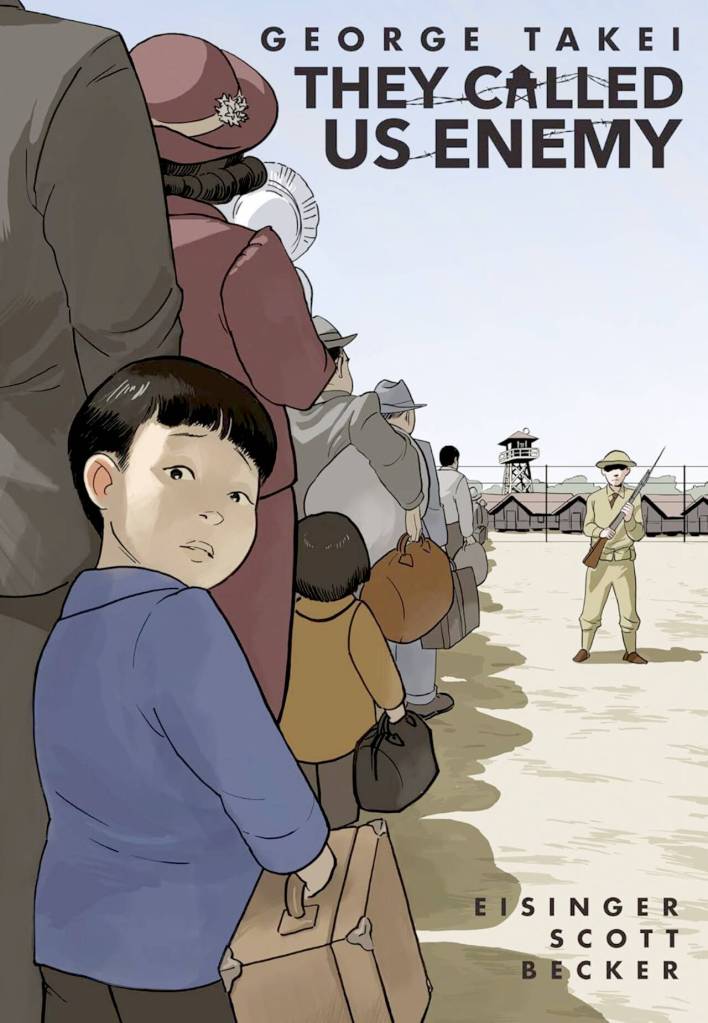
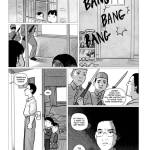
The North Olympic Library System is excited to join many libraries large and small along the West Coast for the “One Book, One Coast” program, a shared celebration of literacy, learning, community and civil discourse. This year’s pick is “They Called Us Enemy” by George Takei, illustrated by Harmony Becker.
This graphic novel recounts Takei’s family’s story during the incarceration of Japanese Americans during World War II. Check out a copy at your local NOLS branch and visit NOLS.org/OneBook to find related events like book discussions, a virtual author talk, and a presentation about Bainbridge Island and the Japanese American Exclusion.
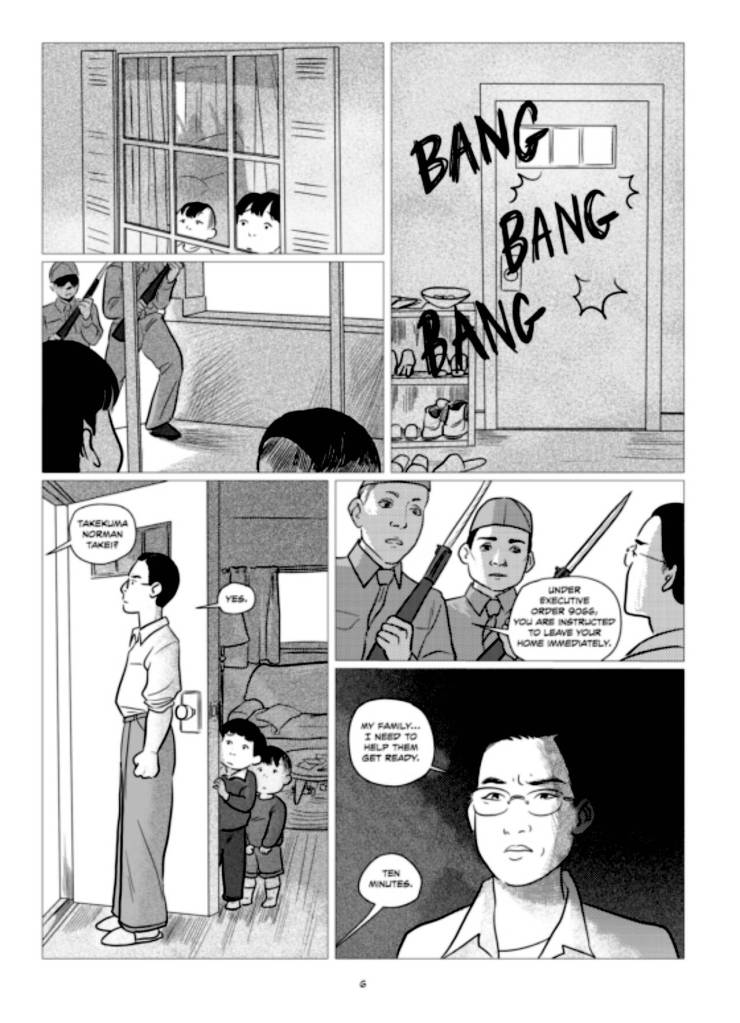
Graphic novels are stories told in book-length sequential art. Think of them as longer comic books, and in a wider variety of genres and art styles than the classic Marvel and DC titles. If “They Called Us Enemy” is your introduction to graphic novels, you can look forward to detailed grayscale illustrations that bring the story to life. Harmony Becker notably excels at conveying immense emotion on characters’ faces and in imbuing the settings with details that make them feel real.
In 1942, under Franklin D. Roosevelt’s Executive Order 9066, about 120,000 people of Japanese descent living on the West Coast of the United States were forcibly removed from their homes and shipped to one of 10 “relocation centers” hundreds or even thousands of miles away. In these camps they lived behind barbed wire and under armed guard for years. George Takei’s family was one of these families.
While many Washington residents have learned about Japanese incarceration in school, this firsthand account offers insight into what growing up during this legalized racism was like and how it affected the trajectory of Takei’s life. Readers will see Takei’s father’s faith in democracy, his mother’s difficult decisions to protect her family, and Takei’s own grappling with what he went through as he grows up and can better understand the context of his childhood memories.
Looking for more graphic novels about historical events? Teens and adults will find an immersive and searing account of the Civil Rights Movement in the “March” series, written by John Lewis with Andrew Aydin and illustrated by Nate Powell. Adults seeking a moving and intimate memoir should try “The Best We Could Do,” written and illustrated by Thi Bui about her family’s escape from South Vietnam in the 1970s.
For adults and teens who enjoy coming-of-age stories, “Persepolis,” written and illustrated by Marjane Satrapi, is a classic, recounting her life in Tehran during and after the Islamic Revolution. Kids — usually already huge fans of graphic novels based on my daily experiences at the library — can try “The Legend of Auntie Po” by Shing Yin Khor for a fictionalized peek into the life of a Chinese girl in the United States in 1885.
For personalized recommendations, ask NOLS staff during your next visit or use the Library’s free BookMatch service by completing the online form at NOLS.org/bookmatch.
Join the largest book club on the West Coast by reading “They Called Us Enemy.”
___________________
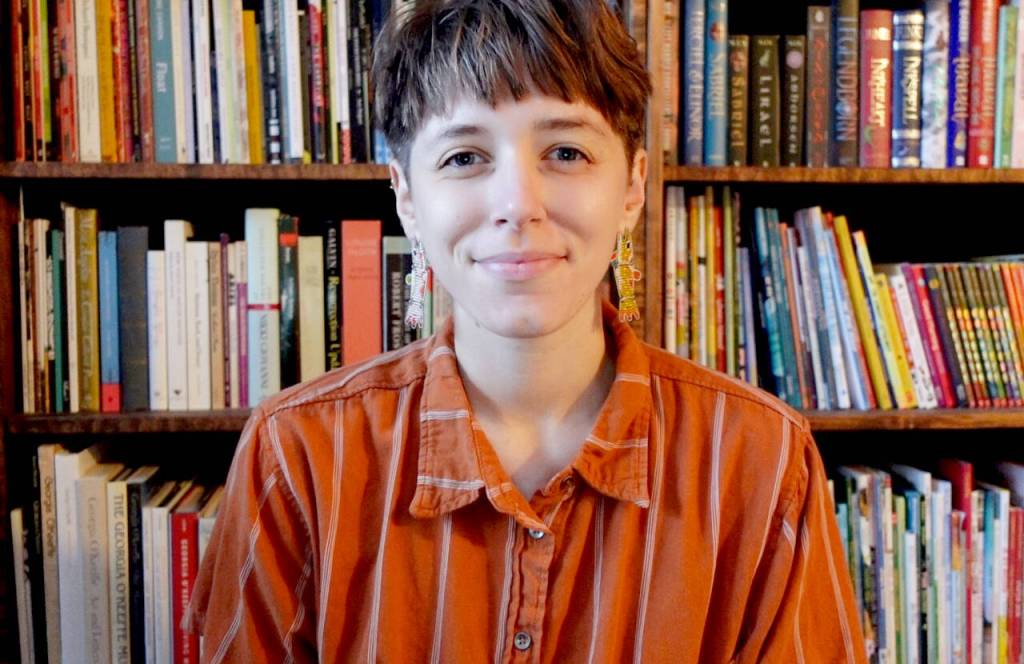
Clair Dunlap is a librarian with the North Olympic Library System.
Best of Olympic Peninsula