School district orders refurbished CPUs through prison program
Published 4:30 am Wednesday, July 29, 2026
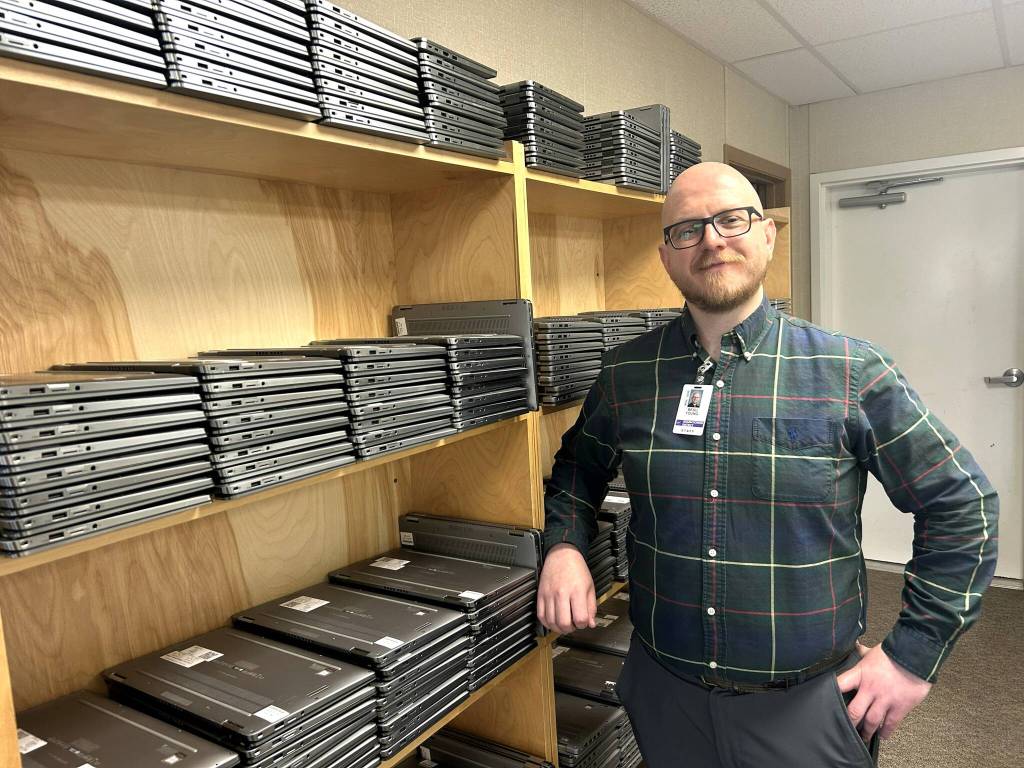
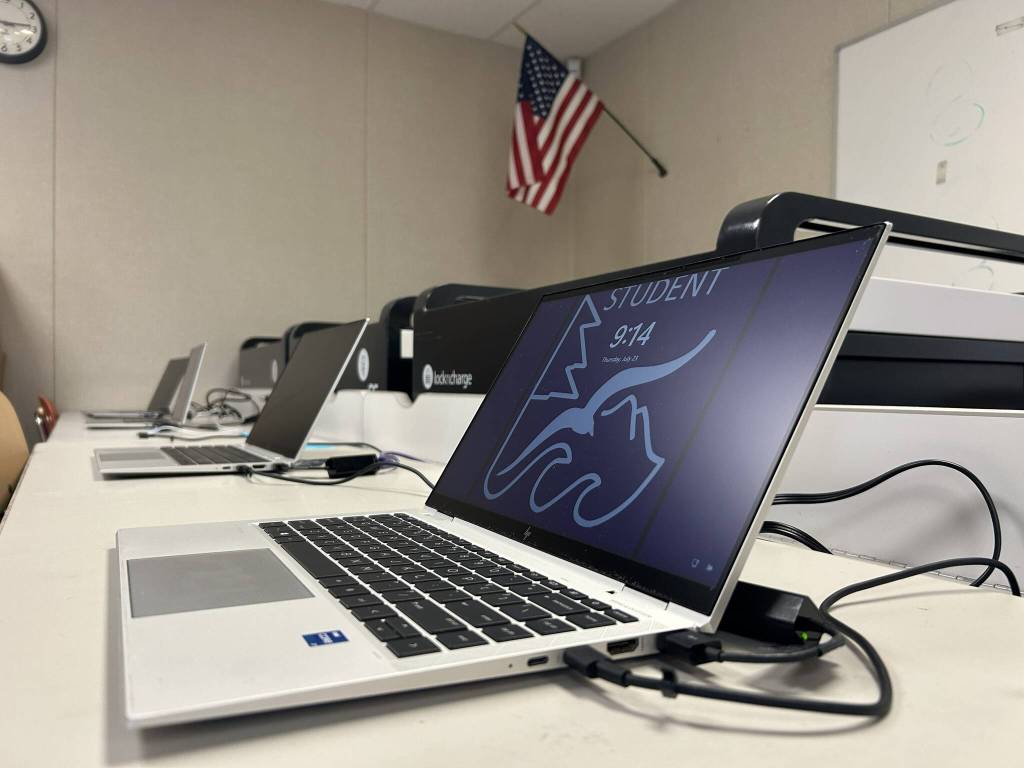
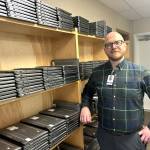
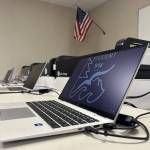
As a temporary fix for budget constraints and required computer upgrades, Sequim School District technology staffers have completed one of the largest purchases ever — if not the largest — from a state program where incarcerated individuals refurbish used government computers
Beau Young, the district’s director of technology, said they ordered 800 laptops and 30 desktops in March for Helen Haller Elementary from Computers 4 Kids (C4K) so students in third through fifth grade can participate in the SBAC (Smarter Balanced Assessment Consortium), a standardized computer-based test. He said SBAC requires a Windows 11 operating system, and the school’s computers are all Windows 10, and cannot support the newer version.
Through C4K, the district received 866 laptops and 35 desktops in early July as the program builds in a contingency in case there are issues with an individual computer.
Travis Manley, an IT support technician, said the computers do not arrive with an operating system and he’s been installing them with network assistance by fellow IT support technician Spencer Chisnall. He said he sees it as an opportunity to inspect the computers for any issues, such as battery problems, keys missing, etc.
Young estimates they’ll need to spend upwards of $30,000 for parts, but the deal still saves them about $300,000 compared to other refurbished options on the market. Buying new computers would cost even more, he said.
“We had low expectations, but we’re incredibly grateful this program exists,” Young said. “So far it has exceeded expectations.”
C4K provides refurbished, state-surplus computers and laptops to public schools and Educational Service Districts across Washington. Computers are refurbished at the Airway Heights Corrections Center and redistributed to schools by ESD 101, according to the program’s website.
The refurbished computers meet or exceed Washington’s state minimum configuration standards.
Young said the new computers will be better than what Helen Haller has now.
The district purchased the laptops and desktops with monitors for $32 each, per the program’s pricing.
Last school year, Sequim’s tech equipment budget was under $100,000, Young said. The district can use maintenance and operations levy funds for upgrades, but those dollars primarily cover five IT staff positions.
Another challenge, Young told Sequim School Board directors on July 20, is that the computers don’t have warranties or defect coverage.
“Anything that happens to them, we have to fix them,” he said.
Sequim staff were sent eight different models, mostly Dell computers, and they received about 50 HP and 75 Dell charging adapters.
Young said one of the trade offs with the purchases will be the staff time required for the changeover and/or repairs.
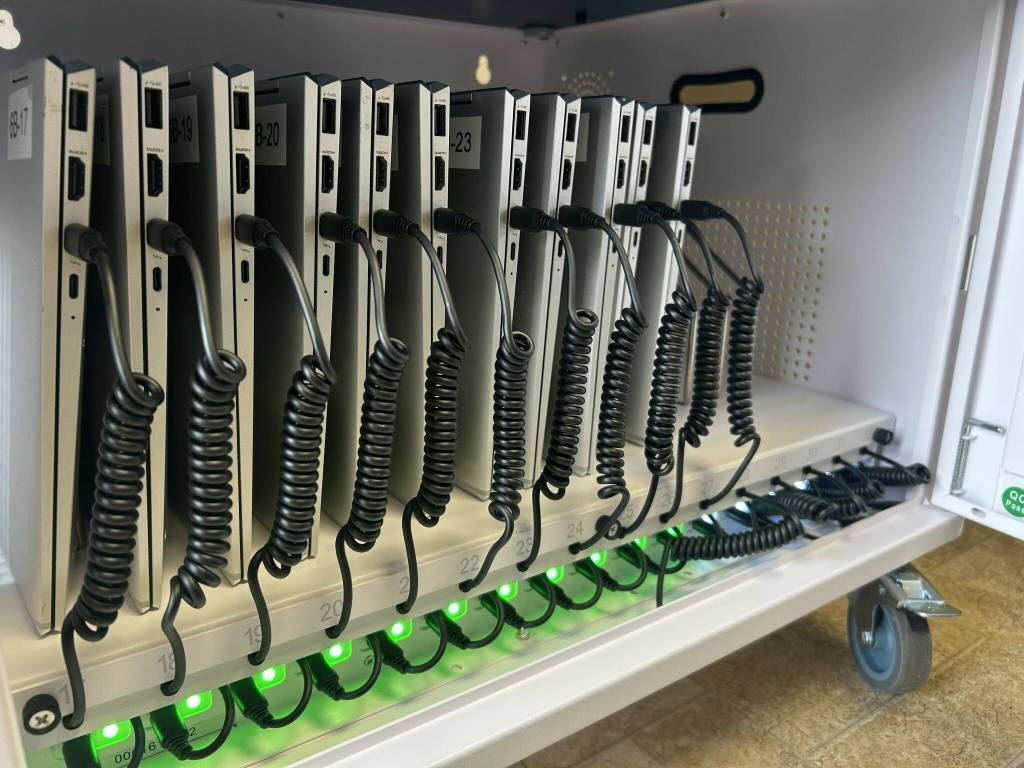
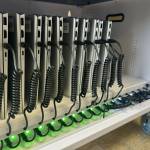
Manley said they’ll switch about half of the school’s computer carts from barrel plug-ins to USB-C chargers this summer, too.
Other schools in the district either have budgeted for replacements or already have fully operational computers, Young said.
Greywolf Elementary will be able to use its existing computers to participate in the web-based MAP assessment at the start of the school year as the school district is paying for another year of Microsoft-supported security support.
Sequim Middle School is in the final year of a computer lease, and officials will need to decide by the end of the school year whether to buy out the equipment or return it, Young said.
At Sequim High School, a plan to replace 400 computers is moving forward, with 80 refurbished units arrived so far from another vendor. Meanwhile, Olympic Peninsula Academy and Dungeness Virtual School are in good shape with computers, Young said.
Helen Haller staff are working this summer to set up two computer labs with desktops as well.
“(Without C4K), ultimately it would not have been possible for Helen Haller to outfit this,” Young said.
Any other option involving more expensive computers would have meant two to three classrooms sharing computer carts.
That would have disrupted instructional time during transitions and lengthened the testing window, he said.
For more about C4K, visit https://ospi.k12.wa.us/policy-funding/school-technology/computers-4-kids-c4k.
Beam cracked at HHE
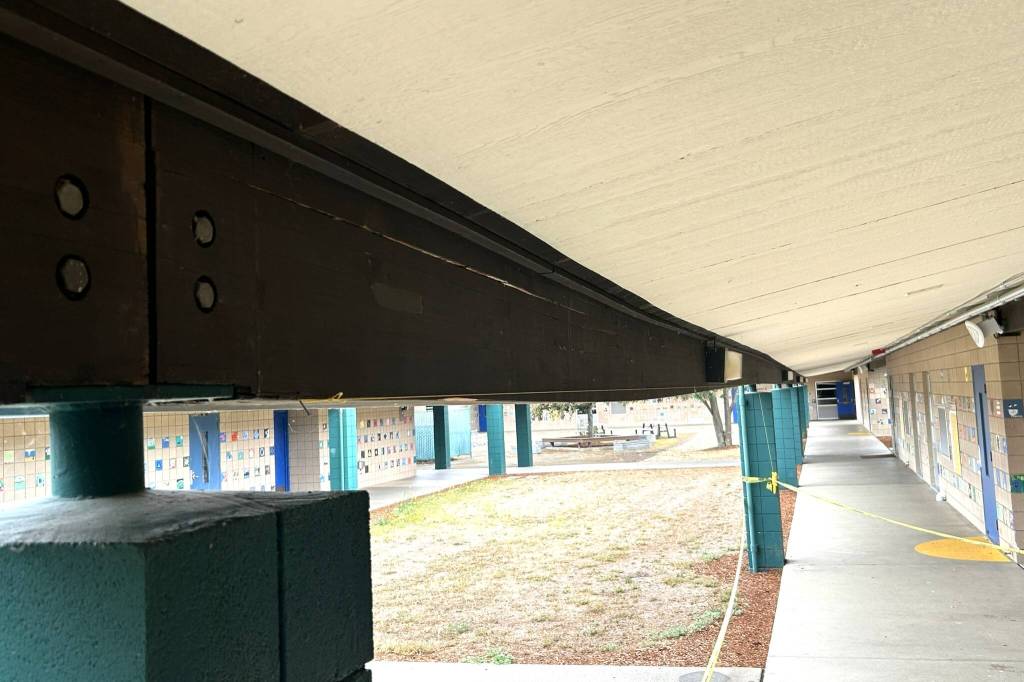
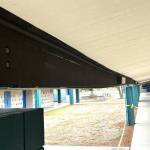
Mike Santos, director of Facilities, Operations, and Security, reported to the school board on July 20 that a beam about 36 feet long above a breezeway at Helen Haller Elementary has deflection, or cracking and bending.
The beam, in front of the school’s fifth grade pod, was discovered by the district’s maintenance crew members while performing preventive maintenance on July 15, Santos wrote in an email on July 24.
School board directors voted on July 20 to hire an engineer to assess a solution, and it was inspected the next day.
Santos wrote via email that they received a letter on July 23 about how to shore up the beam and district staff will now hire a company to perform the engineer’s prescribed activities.
“We are looking for a qualified contractor now, and we anticipate having a contractor on board (this) week,” he wrote.
The area remains cordoned off with caution tape.
Plans to replace the elementary school remain underway as part of a February 2025 voter-approved $146 million, 20-year construction bond.




Best of Olympic Peninsula