Powering Communities: Keeping the lines clear through vegetation management
Published 2:30 am Wednesday, August 5, 2026


By Ken Hays
For the Sequim Gazette
The natural beauty of the Olympic Peninsula makes Clallam County a special place to live; however, the abundant forests and fast-growing understory and right-of-way vegetation creates unique challenges for maintaining a safe and reliable electric system.
Clallam County PUD serves approximately 2,000 square miles, nearly 82% of which is covered by evergreen, deciduous or mixed forest. Our electric system includes approximately 1,000 miles of overhead power lines and more than 22,000 wooden poles.
Managing the vegetation surrounding all that infrastructure is a significant and ongoing responsibility for the PUD.
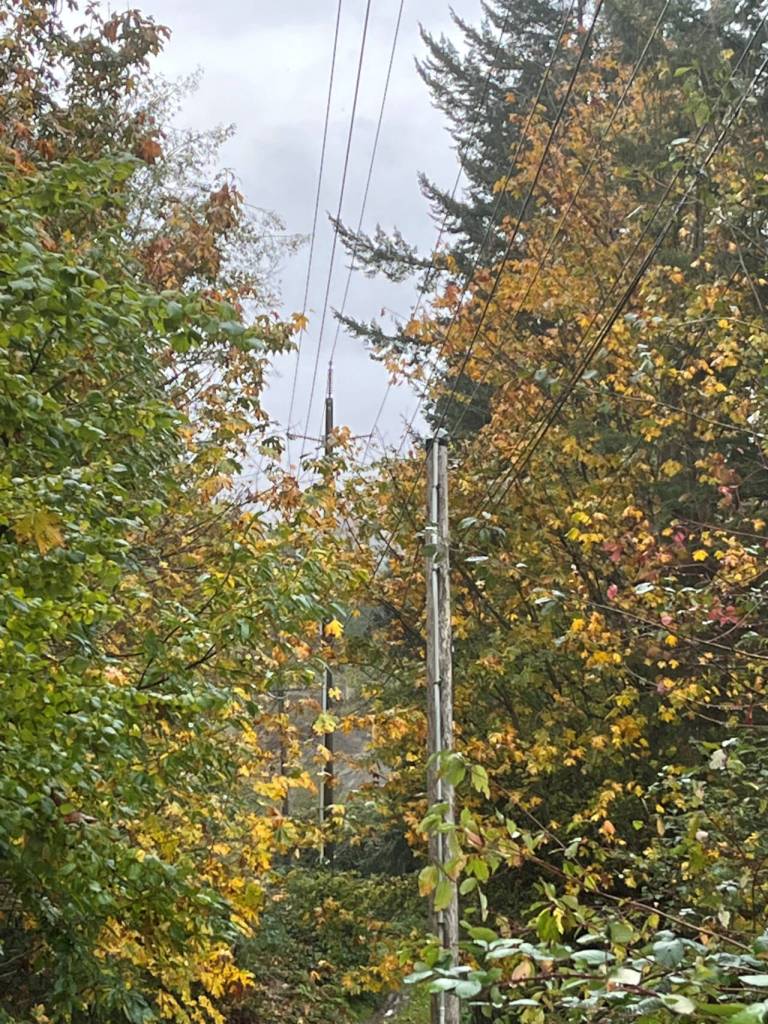
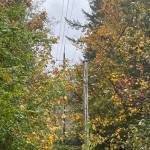
Trees and branches growing too close to energized power lines can cause outages, damage equipment and create serious safety hazards. During periods of high temperatures, low humidity and wind, contact between vegetation and electrical equipment can also increase the risk of fire.
Although wildfire risk historically has been relatively low in the Pacific Northwest, conditions are changing. Development within the wildland-urban interface, changing weather patterns and low snowpack are increasing wildfire concerns throughout our region. The wildland-urban interface is where forests, grasslands and other undeveloped areas meet homes, businesses and communities. In many areas of Clallam County, that boundary is difficult to distinguish.
One of the most effective ways to reduce these risks is persistent, regular vegetation management.
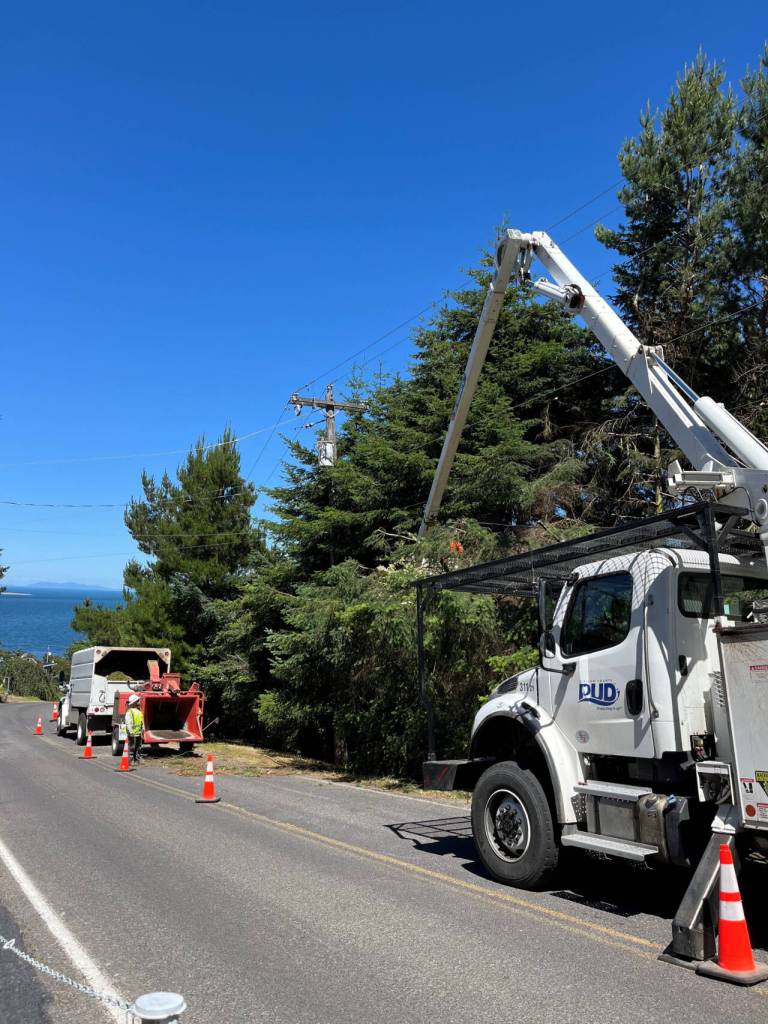
You’ve probably seen the Clallam PUD crews in action; we employ two three-person tree-trimming crews and one two-person right-of-way maintenance crew. Together, these eight employees help manage fast-growing vegetation around approximately 800 miles of overhead lines and 16,000 poles, generally working through the system on a five-year cycle, although timing may vary depending on the species and growth rate of vegetation in each area.
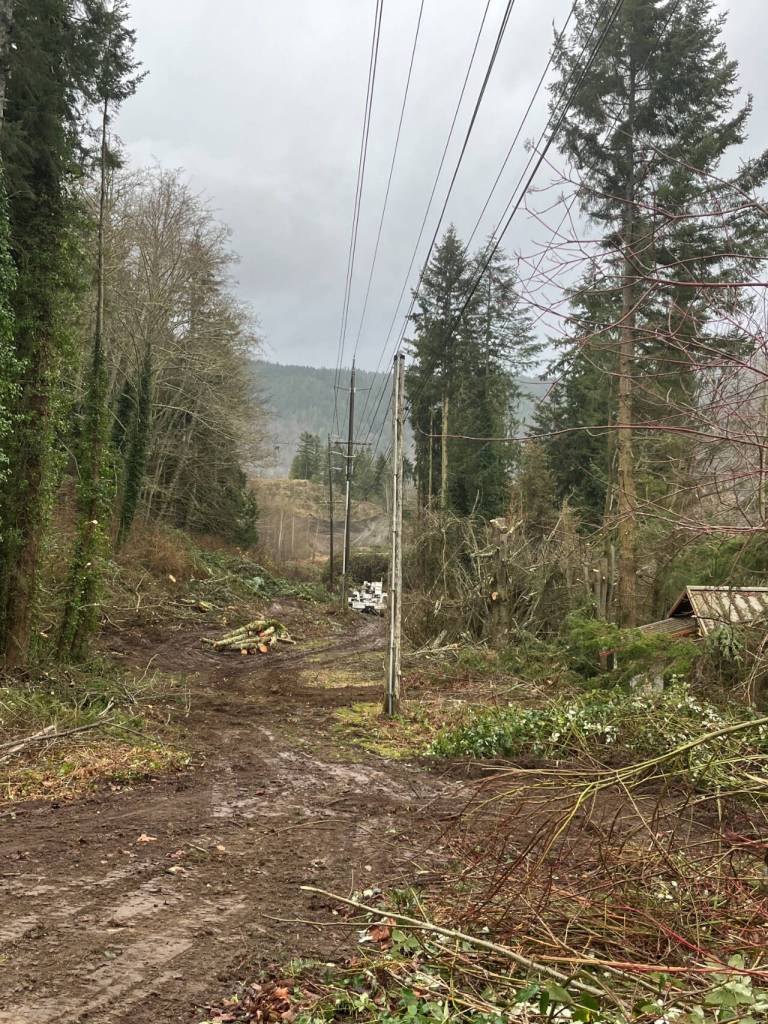
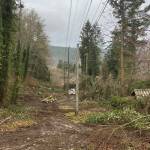
Our tree crews safely remove trees and branches that are encroaching on overhead power lines. The right-of-way crew uses specialized equipment to mow brush and small trees growing near utility infrastructure. This work helps create appropriate required clearances around lines and poles, reduces potential fuel for fires and gives employees safer access to electrical equipment when maintenance or emergency repairs are needed.
Crews also take additional precautions during wildfire season. They avoid parking vehicles and equipment on dry grass, carry shovels and fire extinguishers and maintain heightened awareness of weather and surrounding conditions. While mowing, the right-of-way crew carries a 125-gallon water supply so employees can respond quickly if needed.
Vegetation management is only one part of the PUD’s wildfire-prevention strategy. We are also strengthening, or “hardening,” the electric grid to make it more resilient against storms, lightning, wildfire and other hazards.
Since 2012, the PUD has standardized the use of fiberglass crossarms and transmission poles for replacement projects. Fiberglass components are fire resistant, can withstand high temperatures and may last twice as long, or longer, than comparable wood materials. We are also planning projects to replace aging wooden structures, place some overhead infrastructure underground and use advanced metering technology to quickly identify outage locations and improve response times.
During periods of elevated fire danger, the PUD can also adjust how the electric system operates. This may include changing system-control settings, disabling the automatic reclosing of power lines or proactively de-energizing infrastructure in a limited area when conditions present a significant risk.
A Public Safety Power Shutoff, or PSPS, is the intentional de-energization of power lines during extreme fire conditions to reduce the possibility of an electrical ignition. Because Clallam PUD receives its power from the Bonneville Power Administration through delivery points in Sequim, Port Angeles and Sappho, we coordinate closely with BPA and monitor weather conditions, including high winds and National Weather Service Red Flag Warnings.
The PUD formally adopted a Wildland Fire Mitigation Plan in October 2024, and continues to participate in county, state and regional wildfire-planning efforts. Clallam PUD is an active stakeholder in the County’s Hazard Mitigation Plan and Community Wildfire Protection Plan. We also maintain ongoing discussions with Washington State, regional utilities and Pacific Northwest National Laboratory on wildfire mitigation. These partnerships allow us to learn from industry research, emergency management professionals and other utilities while developing solutions appropriate for Clallam County.
Protecting our electric system in one of the most heavily forested regions in Washington requires year-round planning and persistent effort. Vegetation management may not always be visible to customers, but it plays an essential role in preventing outages, reducing wildfire risk and keeping our employees and communities safe.
It is one more example of the important work happening behind the scenes every day to keep Clallam County safely and reliably powered.
____________________
Ken Hays is board president of the Clallam County Public Utility District and its District 1 commissioner.


Best of Olympic Peninsula