Railroad Bridge’s truss to be replaced due to wood deterioration
Published 1:00 pm Saturday, January 17, 2026
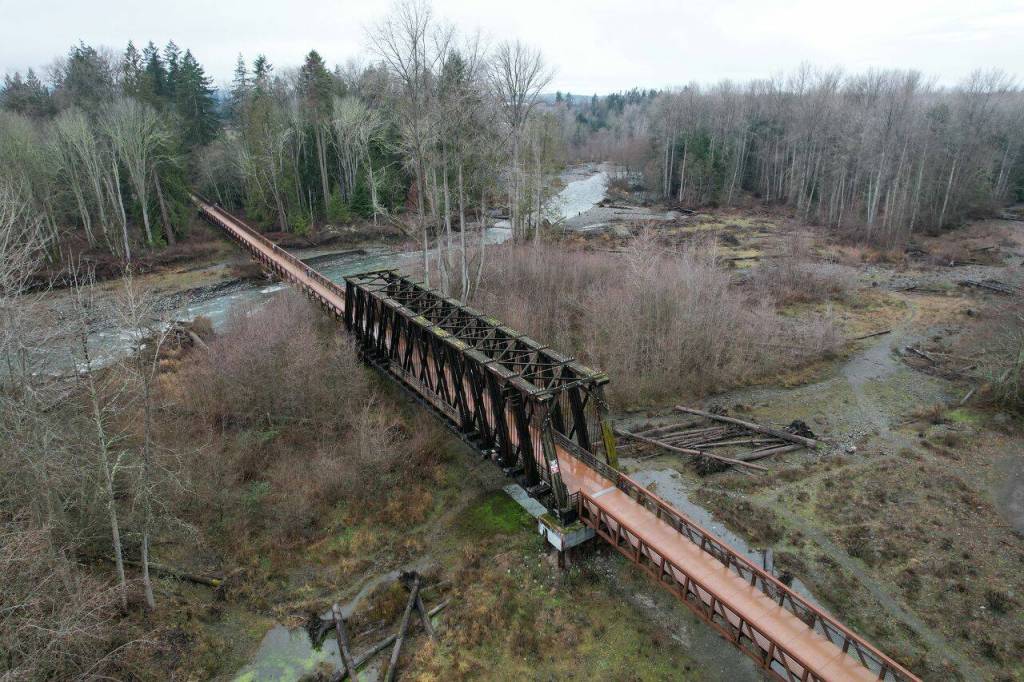
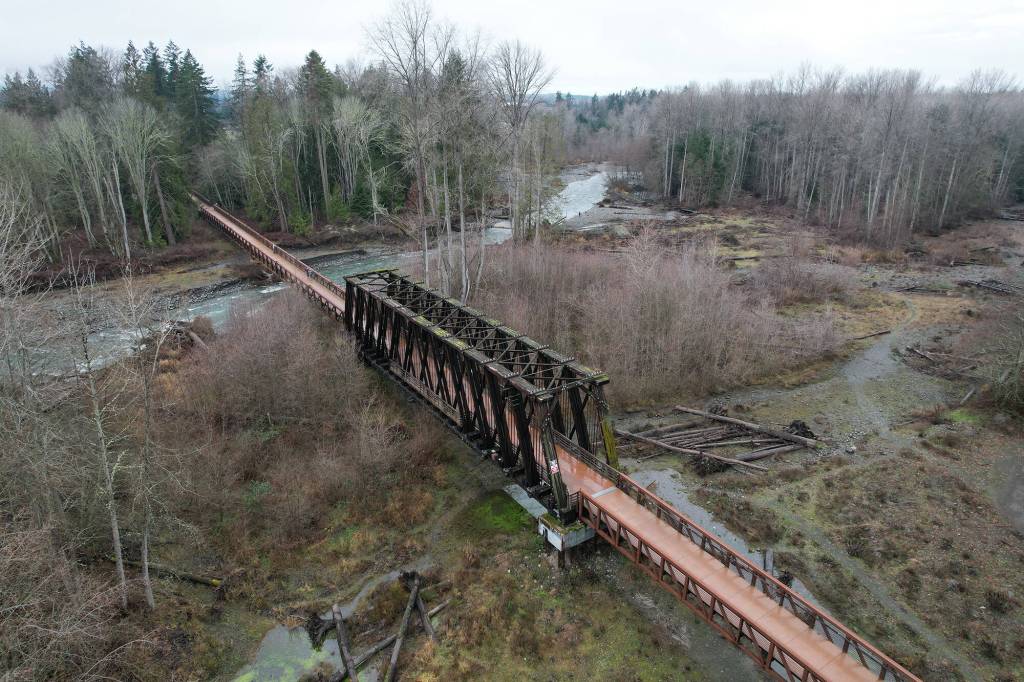
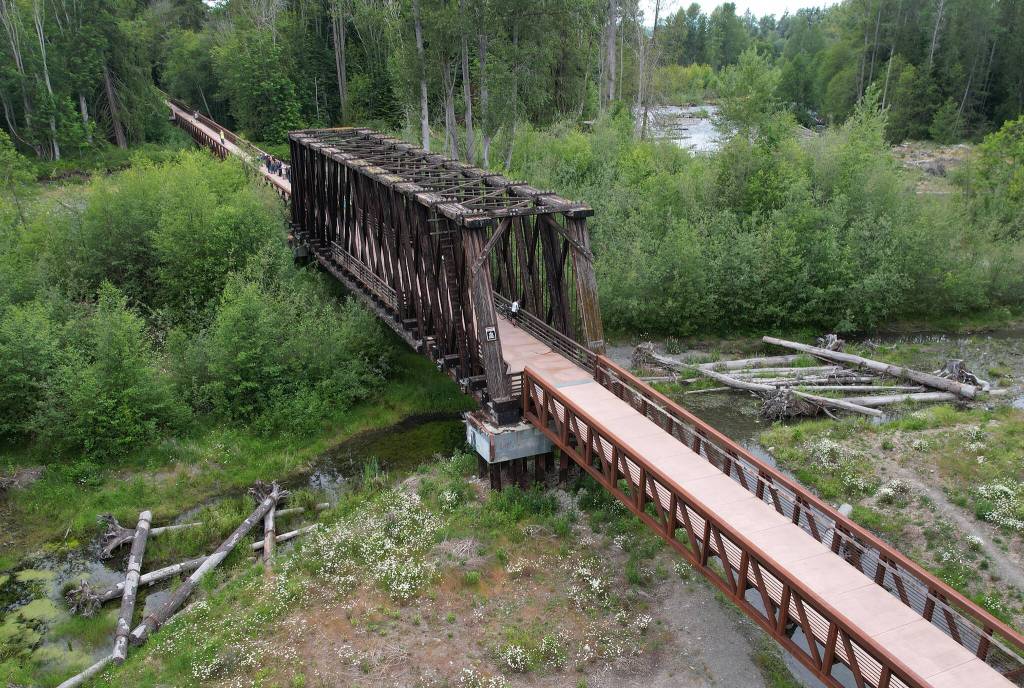
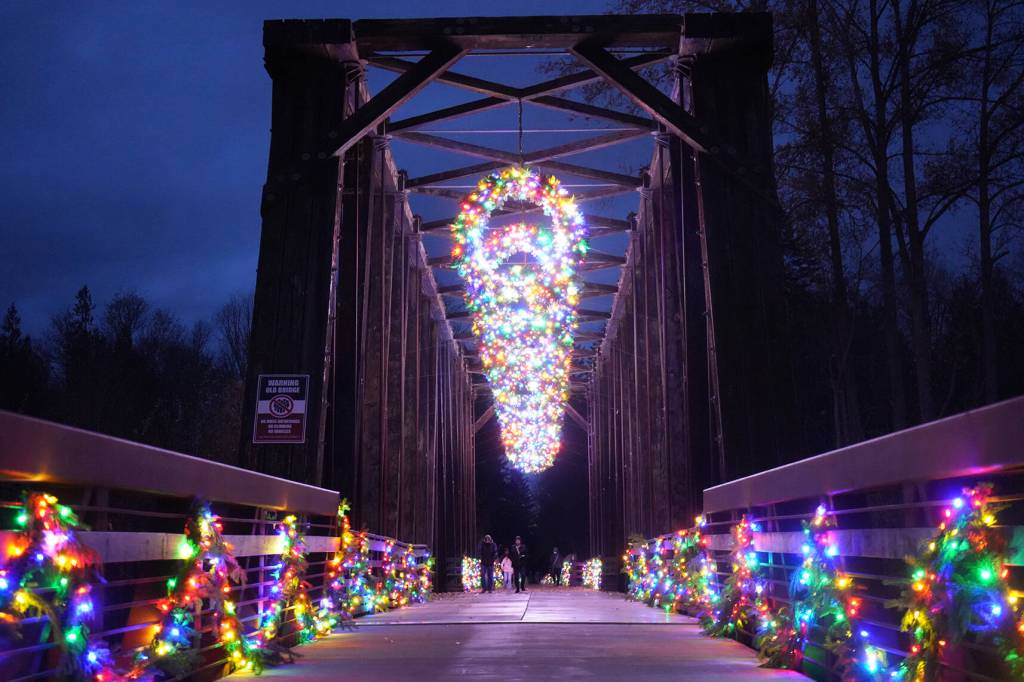

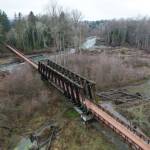
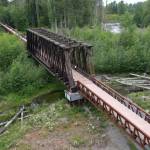

The Jamestown S’Klallam Tribe announced on Jan. 16 its intentions to replace the Railroad Bridge’s historic truss next to the Dungeness River Nature Center at 1943 W. Hendrickson Road in Sequim.
Following a recent annual inspection, tribal staff learned the wooden Howe Truss of the Railroad Bridge is deteriorating, according to a press release.
“The most recent bridge inspection report highlighted the need for more immediate action to ensure the bridge remains safe and open to the public,” wrote Michael Dashiell, Jamestown’s tribal communications and publications specialist.
Its wood structure is more than 100 years old and remains safe to walk and ride on, he said.
“However, staff have limited gatherings on the truss section of the Railroad Bridge, as indicated by signs on and near the bridge,” Dashiell said in a follow-up interview.
The Jamestown S’Klallam Tribal Council considered various options for the truss and decided that replacing it with a steel structure is the only viable path forward, according to the release.
“The Railroad Bridge is a beloved part of our local and tribal community, but due to public safety, it needs to be replaced,” said W. Ron Allen, Jamestown’s tribe chairman and CEO via the release.
“We plan to honor the historical symbolism with a new structure that reflects the current design and will keep park and trail users safe for our future generations.”
The council’s decision to replace the truss was supported by the Dungeness River Nature Center Board of Directors and the Peninsula Trails Coalition, Dashiell said.
Next steps
Tribal officials report that replacing the wooden Howe Truss with a steel replica is the only cost-effective option to preserve the bridge’s character, improve safety, and minimize closures to the bridge that serves the Olympic Discovery Trail over the Dungeness River.
Dashiell said the tribe’s engineer’s estimates replacement of the truss costing about $3.1 million, and that tribal officials are working with community partners on a capital funding campaign with details to be shared as they become available.
The tribe will also seek support from the state legislature, he said.
One of the project aspects determined so far will be the disposal of the truss’ creosote-treated timbers during construction, Dashiell said.
Tribe staff have not yet identified what will happen with other pieces of the historic truss, he said.
Similarly to the capital funding campaign, Dashiell said they’ll share information as it’s available for events/discussions planned around the truss replacement project.
Historic background
The truss, the large wooden part of the bridge, saw train traffic from 1915-1985.
Milwaukee Road operated the rail line largely for local timber from Port Townsend to Port Angeles and later to the west, according to the Nature Center’s website.Milwaukee sold operations to the Seattle and North Coast Railroad in 1980 until it was eventually abandoned for rail use in 1985.
Jamestown S’Klallam Tribe purchased the bridge and the adjacent 75 acres in 1993.
Twenty-plus years later, they closed the bridge for nine months starting in February 2015 to replace 800 feet of the bridge’s western trestle after flooding damaged it. The eastern portion of the bridge was improved in 2022 for safety upgrades and to complement the renovated and expanded Dungeness River Nature Center.
According to the Nature Center’s website, the truss is about 150 feet long, and the trestle, the long wood walkway, is about 580 feet long, making it the longest bridge on the Dungeness River.
Tribal staff estimate that the bridge sees more than 25,000 crossings per month, and there were more than 300,000 visitors in 2025. The bridge is also on the National Historic Register.
For more information about the Dungeness River Railroad Bridge, visit dungenessrivercenter.org.