Get It Growing: Bulbs for spring planting
Published 5:30 am Wednesday, May 13, 2026
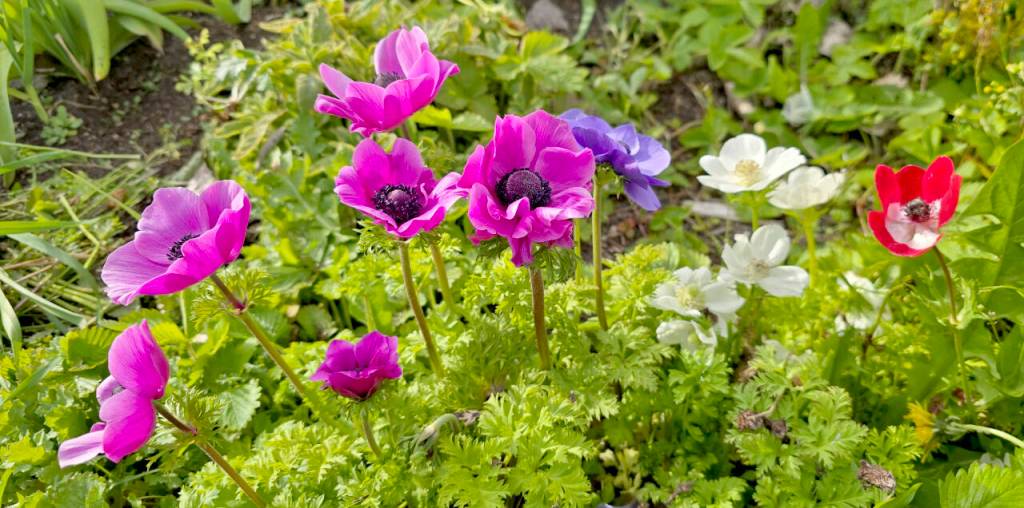
Gardeners often focus their attention on planting bulbs in the fall for the anticipated spring bloom. But there are many bulbs, corms, and tubers that can and should be planted in the spring.
The primary reason to plant bulbs in the spring is that they are not hardy enough to survive a winter. If you are a transplanted gardener from the Midwest, you are familiar with the ritual of planting dahlias and cannas in the spring or early summer and digging them up in late fall to store them inside for the winter.
That process may not be necessary in our warmer Clallam County regions but those bulbs are still sold for spring planting. Commercial growers harvest and store them under the proper conditions and then provide them to retailers in the spring.
Begonias, dahlias, gladiolus, cannas, anemones, eucomis (pineapple lily), callas, caladiums, and alocasia (Elephant Ears) are sold bare in the spring for gardeners to plant. Many of these are also available potted up and sometimes in bloom for the gardener who just can’t wait.
Let’s consider three of these spring-planted bulbs that are suitable for leaving in the ground in our zone 8 gardens.
Anemone coronaria
Anemone coronaria have showy, daisy-like flowers in a range of colors from white to red to blue, including bicolors. The foliage is feathery. They come in single (De Caen) and double-petaled (St. Brigid) strains. They are marketed to plant in the spring or fall and in spring they are available in bloom to add to seasonal plantings.
Plant the anemone tubers two to three inches deep about six inches apart. The tuber has a pointed end that can be difficult to discern. Plant pointed end up or on edge, if you can’t determine which end is pointed.
You do not have to wait until after all danger of frost to plant. Fall planted tubers will bloom with the late daffodils and early tulips. And don’t be too concerned that you didn’t get them planted in April. If you have them, plant them.
Like most tubers, anemone coronaria do not like water-logged soil. They will likely rot in such an environment. After blooming, allow the foliage to die back naturally. The foliage is feeding the tuber and supports next year’s growth. During mild fall and winter seasons, it is possible to see limited rebloom on anemone De Caen.
Gladiolus
Most people are familiar with gladiolus as a cut flower in florist bouquets. Glads, as they are commonly known, come in a variety of colors as well as multicolored, and make a statement in the garden with their three-foot-tall spikes and sword-like leaves.
Planting glads too early will not reward the gardener with early blooms. Wait until nighttime temperatures are well above freezing and pick a location that is in full sun at least five hours a day. Glads bloom 90-100 days from planting. You can extend the bloom by planting bulbs every two weeks until late June.
Plant the corms about three times deeper than the thickness of the corm and about six inches apart in well-draining soil.
As with other bulbs, allow the foliage to die back naturally. Remove the flower stalks so that the plant’s energy goes into the corm. If you want to dig the corms and keep them inside, do that in the fall. However, gladioli are hardy in zone 8 and may be left in the ground in our area.
Eucomis
If you want a tropical look or a plant that may be new to you, try eucomis (YEW-kom-is) or pineapple lily. This true bulb is neither a lily nor will it produce a pineapple. The flower spike is 12 to 18 inches tall with tiny flowers in white or purple with green or purple foliage depending on the variety.
Pineapple lilies thrive both in the garden and in containers. Plant the bulbs in springtime after last frost and when soil temperatures are consistently above 65 degrees. Because our springs are often long and cool, it may be useful to plant the bulbs in pots inside about a month before it is warm enough to plant them outside.
In the ground, plant the bulb about six inches deep and six inches apart. If you are planting in a container, three bulbs, four inches deep, will fill a 12-inch container. Be sure that the container has good drainage.
Eucomis can bloom for six weeks and the seed heads add additional interest. As with other bulbs, allow the foliage to die back naturally. Container grown eucomis will require some winter protection, but those grown in ground are hardy in zones 7-10.
Sequim and Port Angeles are in USDA hardiness zone 8. Just a reminder that we have almost as many microclimates as we have neighborhoods. The higher your elevation in Clallam County, the less likely these bulbs are to be winter hardy. But as gardening is an experimental process, try overwintering these bulbs and see what happens.
Digging Deeper
Digging Deeper Saturdays begin on May 16 with “Growing Tomatoes Well on the Olympic Peninsula.” These workshops taught by Master Gardeners begin at 10 a.m., which is 30 minutes earlier than previous years. They are held outdoors at the Woodcock Demonstration Garden, 2711 Woodcock Road, Sequim. They are free and open to the public without registration.
__________________
Jeene Hobbs is a Master Gardener from the Class of 2025. She has grown bulbs in gardens in eastern and western Washington, South Dakota, and Nebraska.


Best of Olympic Peninsula