KSQM’s second act: Veteran DJ takes over as program director as station seeks critical audio upgrade
Published 1:30 am Wednesday, June 17, 2026
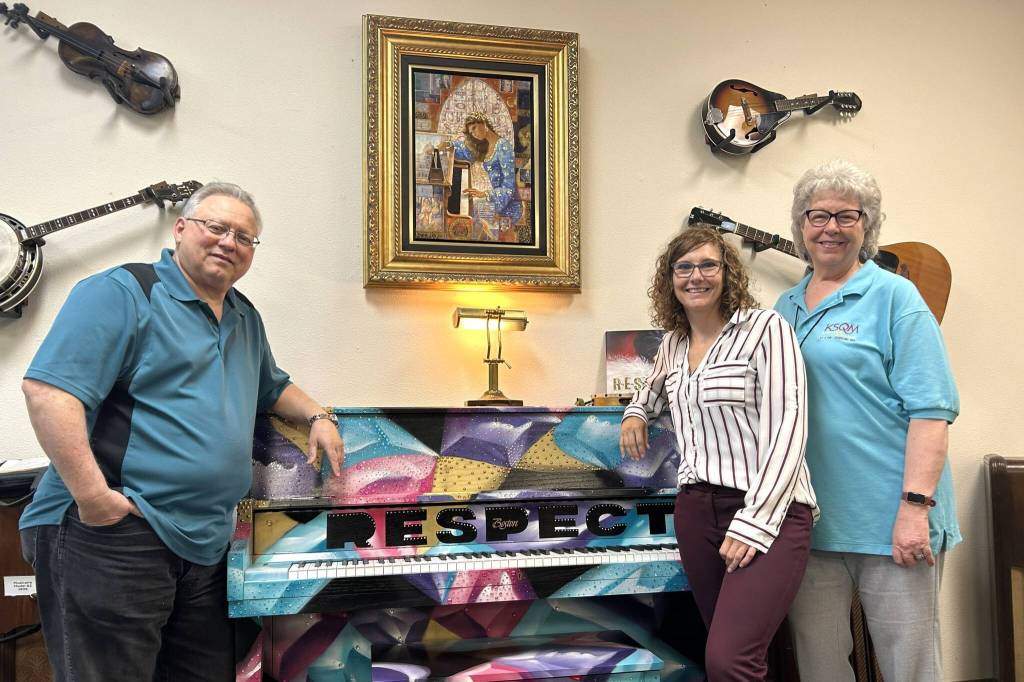
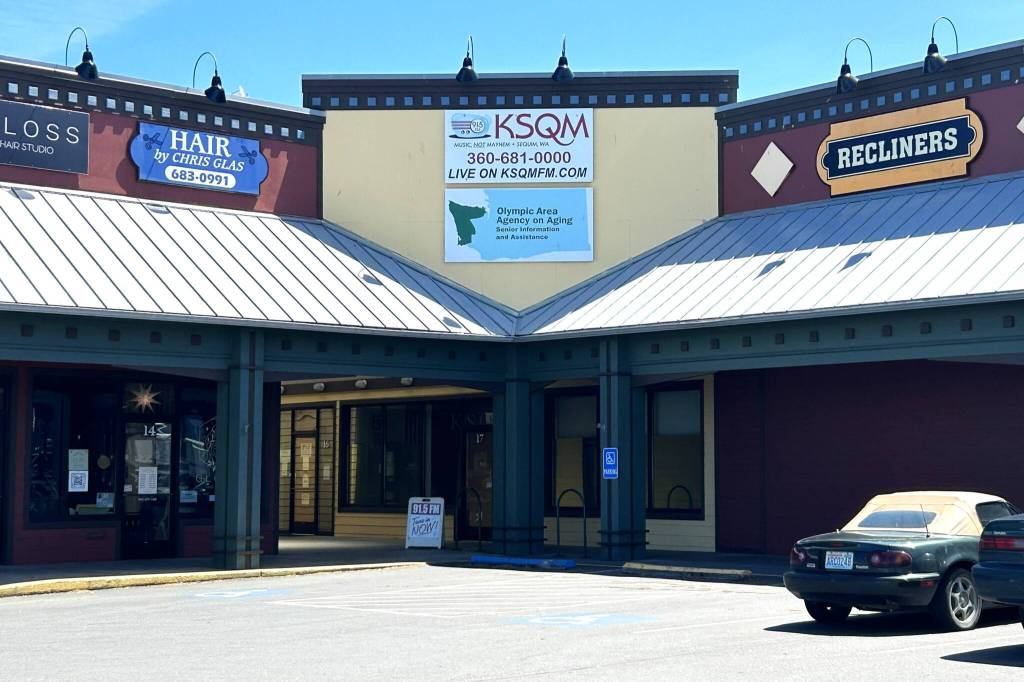
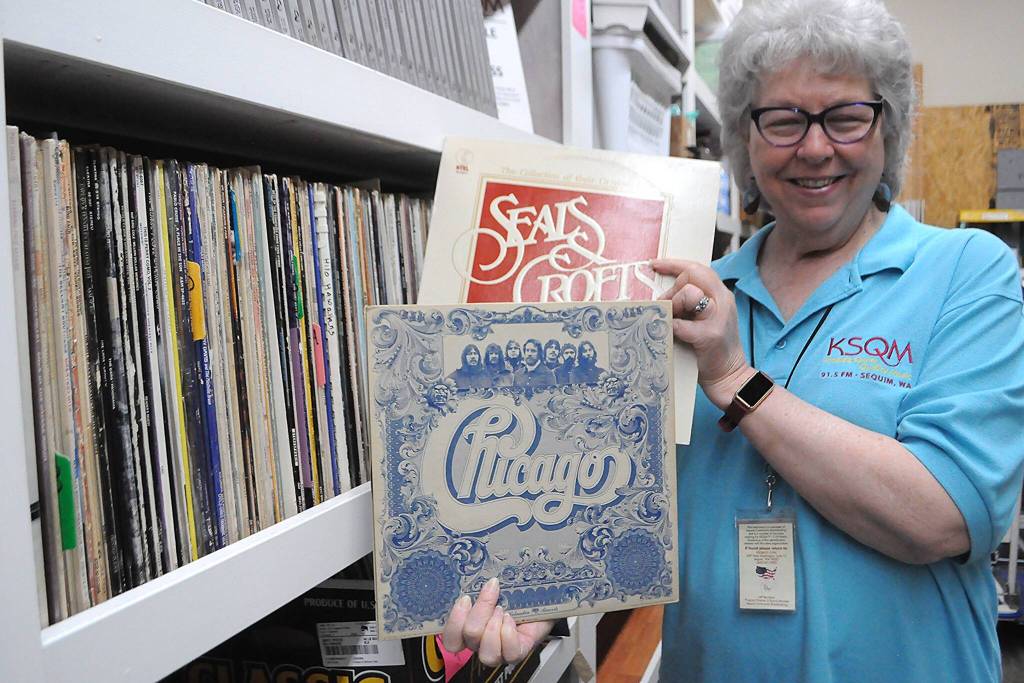
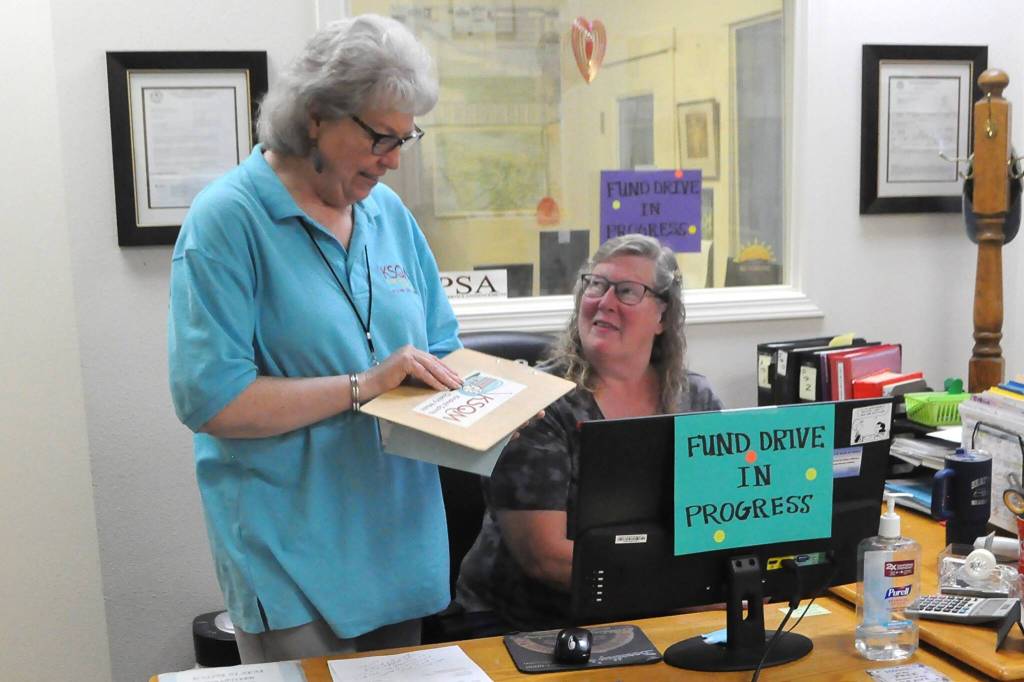




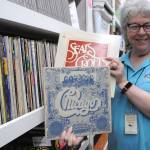
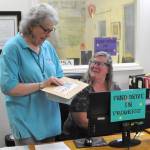
When Al Brady walked into KSQM-FM’s Sequim studios earlier this year carrying a résumé built over five decades in broadcasting, Administrative Director Tama Bankston’s first reaction wasn’t what he expected.
“You’re overqualified,” she told him.
It was a compliment, not a rejection.
Now the veteran broadcaster, television host and former radio executive is serving as the community station’s new volunteer program director, helping guide programming changes, train volunteers and tackle technology challenges.
The timing is significant. KSQM is in the midst of a fundraising campaign to support operations and equipment upgrades, and Brady’s arrival brings professional expertise to a volunteer-run station founded with a larger purpose: providing critical information in times of emergency — a mission Brady said is “the bottom line of any communications entity.”
Nearly 18 years after the station first went on air on Dec. 7, 2008, that mission faces a challenge of its own.
The station’s aging audio processor at its broadcast tower is failing. Replacing it with a modern Omnia.12 audio processor is expected to cost nearly $10,000, pushing the Spring Fund Drive’s original goal from $45,000 to $55,000.
Built for the ‘big one’
Since its founding, KSQM has occupied a unique place on the North Olympic Peninsula.
The station grew from the vision and determination of founder Rick Perry, who believed Sequim needed a dependable source of information during disasters and emergencies.
“Rick Perry is the one that initiated that ball rolling,” Bankston said. “He put all of his energy and resources into pulling the station together. He did it without grant funding.”
Perry’s motivation was straightforward.
“He just felt like what we needed was the ability to do emergency broadcasting,” Bankston said. “The community would know this is our station and this is where we’re going to tune in in the event of an emergency.”
The idea was to create a station residents would regularly rely on for music, community news and local events so that turning to KSQM during a disaster — whether a major earthquake, severe weather event or another emergency — would feel automatic.
“The Cascadia fault is always on our mind,” Bankston said.
To prepare, KSQM maintains backup systems designed to keep broadcasts on the air during outages. The station has generator and propane backup systems at both its studio and transmission facilities, allowing for seamless transitions if power fails.
KSQM also works closely with Community Emergency Response Teams (CERT) and amateur radio operators, who could become essential sources of information following a major disaster.
Expert hands
For Brady, the station’s emergency communications mission resonates because he has seen firsthand how local radio serves communities in crisis.
“People are scared. They don’t know what to do,” he said. “Your phone lines are down or your cell phone towers are no longer working.”
A native of Staten Island, Brady has spent 50 years in broadcasting, beginning as a teenager who helped launch a radio station at his high school.
That early experience led to work at the College of Staten Island and eventually to radio stations across New Jersey, Florida and North Carolina.
Along the way, Brady built an unusually varied résumé.
Early in his career, he worked both morning and overnight shifts at different stations, later managed stations in Florida, became a radio station co-owner and eventually hosted music programming for PBS television.
For 15 years, he served as a television host for PBS’ popular “My Music” concert series throughout the Mid-Atlantic region.
He also hosted shows at Little Darlin’s Rock ’n’ Roll Palace — once billed as the world’s premier oldies nightclub — where he worked alongside legendary broadcaster Wolfman Jack.
“He’s been an idol of mine,” Brady said. “And I got to work with him for seven years.”
The experience introduced Brady to many of the performers who helped define rock and roll’s golden era.
Over the years, he emceed shows featuring major entertainers, opened performances for acts including Rich Little, Wayne Newton and Paul Anka, and hosted dozens of oldies-themed cruises featuring original recording artists from the 1950s, 1960s and 1970s.
Later, Brady spent about a decade at WVLG, the radio station serving The Villages in Florida, one of the nation’s largest retirement communities. He eventually became assistant manager and program director.
Brady’s dream took shape during high school, and he followed it.
“I put professional disc jockey in my high school yearbook,” he said. “And I lived that dream.”
Retiring to Sequim
After retiring and relocating to Sequim with his wife, Jaime, Brady wasn’t looking for another broadcasting job.
The couple moved to the Olympic Peninsula to be closer to family and enjoy a cooler climate.
But radio proved difficult to leave behind.
After settling into a condominium in Sunland, Brady heard about KSQM and stopped by.
What began as a casual visit quickly turned into a major volunteer commitment. Today, he spends roughly 60 hours a week at the station.
“It’s all 100% volunteer,” Brady said.
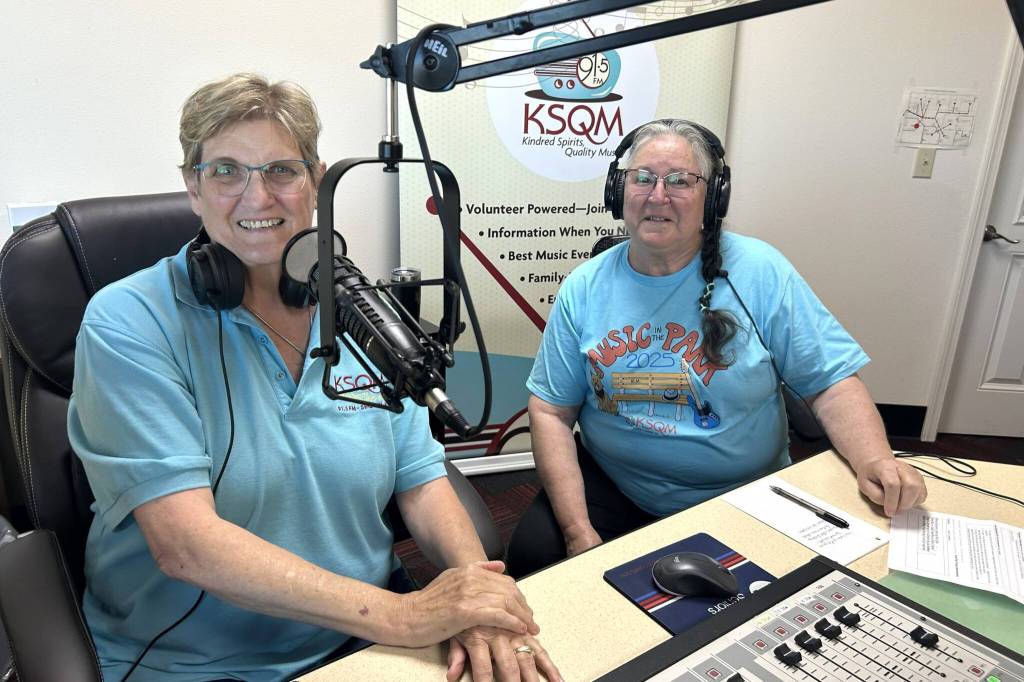
In addition to serving as program director, Brady records promotional announcements, edits audio, trains volunteers, reorganizes studios, helps plan future improvements and hosts “Rock ‘N’ Roll Palace” from 3 p.m. to 6 p.m. Saturdays.
Many of KSQM’s on-air personalities are volunteers with little or no professional radio experience. Brady sees part of his role as passing along lessons learned throughout his career.
For Bankston, Brady’s arrival represents more than a personnel addition.
After her husband, longtime KSQM Program Director Jeff Bankston, suffered strokes and stepped away from station duties, volunteers worked to fill the gap for several years.
“Now we have Al,” she said. “It’s very exciting to have him here.”
One of Brady’s first initiatives involved revising the station’s music format.
Historically, KSQM offered an eclectic mix spanning nearly a century of recordings, moving freely among genres and eras.
Brady believed listeners would respond better to a more structured approach.
Drawing on his extensive music library and decades of programming experience, he reorganized the playlist around classic hits and oldies from the 1950s through the 1980s, supplemented with select contemporary adult music.
Overnight programming now features more traditional standards and crooner-era favorites.
“The format that was missing was kind of almost what they were doing, but there was no organization of it,” Brady said.
The goal is to serve the Peninsula’s large baby boomer population while maintaining the station’s community identity.
Brady also hopes his industry connections will eventually bring listeners interviews and special appearances from legendary performers.
Technology challenges
While programming changes are important, station leaders say replacing failing equipment is the immediate priority.
“It’s affecting our sound,” Bankston said of the failing audio processor. “They’re having to really baby it and adjust levels here and there and reboot computers regularly.”
Said Brady: “It’s the biggest link besides our transmitter. It’s 19 years old. It’s declining. It sounds scratchy. It’s noisy. It just needs to come out of service.”
Like many community radio stations, KSQM operates on a tight budget. As a nonprofit educational station, it cannot sell traditional advertising.
Instead, it relies on listener donations, business sponsorships and fundraising campaigns.
“We still need revenue to maintain all the equipment, the IT stuff, the services,” Brady said. “It costs a lot of money to put up a tower and put transmitters and all the audio to it.”
The station also faces signal challenges caused by trees surrounding its transmission facilities, creating reception dead spots in portions of Sequim and surrounding areas.
Addressing those issues would require additional engineering work and funding.
KSQM’s Spring Fund Drive continues through Wednesday, June 24. Donations can be made online at KSQMFM.com. Questions can be directed to 360-681-0000.