Get It Growing: Something different for the spring bulb garden
Published 1:30 am Wednesday, July 22, 2026

It’s July and, like it or not, it is time to start thinking about your spring garden — especially if you plan on ordering bulbs. Bulb catalogs are already in mailboxes and the most sought-after bulbs will be sold out early.
Most bulb catalogs devote the first half of their pages to tulips and daffodils. Then the remaining pages are filled with “special bulbs” or “other important additions” such as alliums, crocuses, hyacinths, and lilies. Let’s consider three lesser-known bulbs and tubers to extend the blooming season or add color to a shaded area: Corydalis solida, Scilla peruviana, and Leucojum.
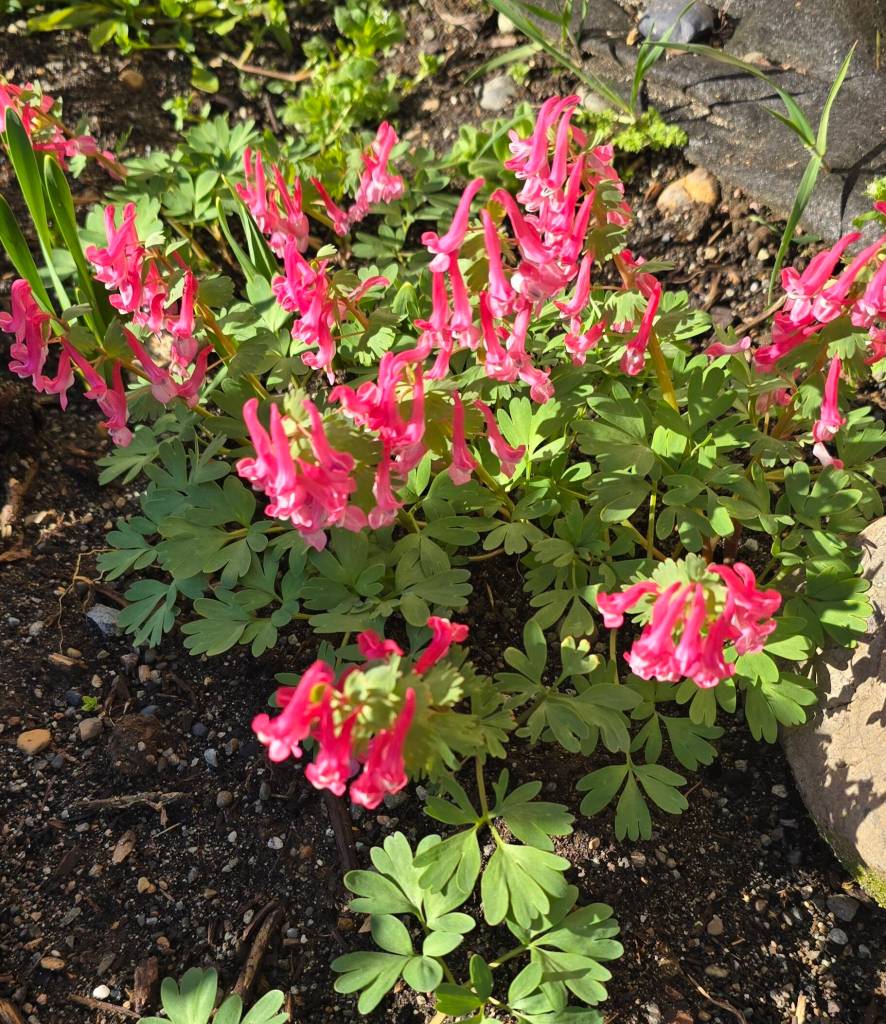
Corydalis solida
Corydalis (kuh-RID-uh-lis) solida may be referred to by the common name, Bird-in-a-bush, in some catalogs. Corydalis comes from the Greek word for lark, describing the shape of the bloom. This small spring plant grows from dime-sized tubers.
Those tubers are considered hardy in USDA zones 4 through 8. The catalogs list the bloom time as mid- to late-spring. However, our mild winters may find it blooming with the early crocus.
This is one spring bloomer that prefers shade. It will flower and disappear before the hostas and ferns make their appearance. Topping out at 10 inches tall, remember to plant it where you will see it.
The flowers come in pink (Beth Evans), purple (Purple bird), white rimmed in purple (Merlin), and lavender pink.
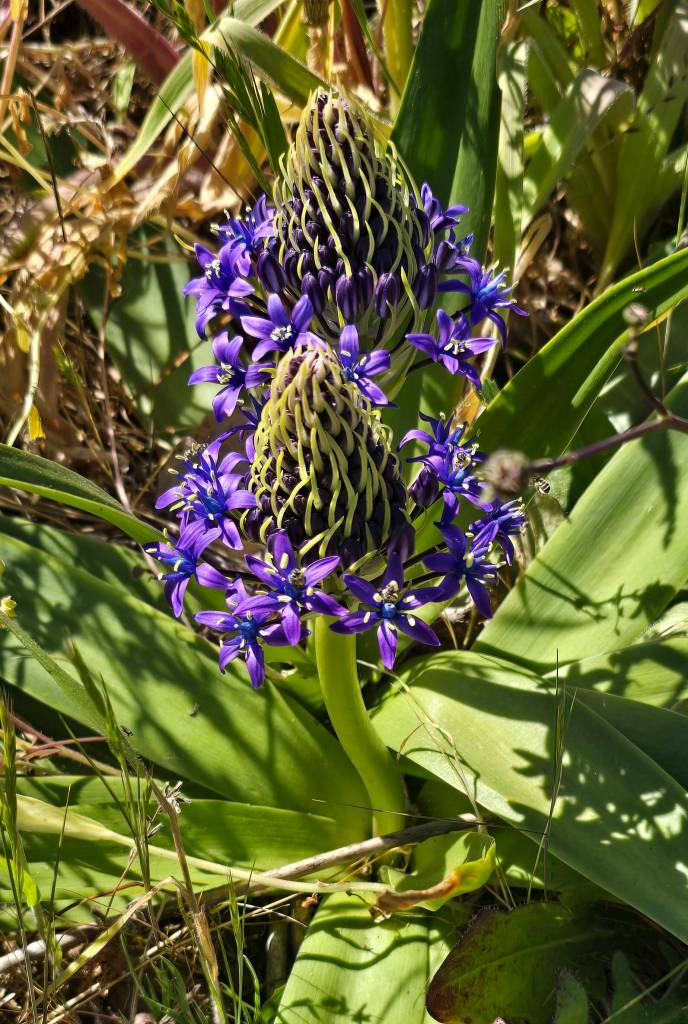
Scilla peruviana
The section in catalogs on scilla or squills isn’t usually large but contains a variety of forms from siberica (that dark blue cutie that can carpet an area) to mischtschenkoana (a well-behaved white form with a blue midrib.) The one of interest for our gardens is Scilla peruviana because of its preference for a dry summer rest.
Scilla peruviana is not from Peru but from the western Mediterranean region, giving it the current common name of Portuguese squill. It is thought to have arrived on a ship called The Peru, earning its misnomer. It is a late May to early June bloomer in our area.
The blooms of this bulb are different from most familiar bulbs. It is a collection of small, dark violet, star-shaped flowers with yellow anthers that form a baseball-sized sphere on a six-to-ten-inch stem. Plant it in that dry spot where you would like some late spring color.
Like other spring blooming bulbs, allow the foliage to dry naturally so that it replenishes the bulb for next year.
Leucojum
Do you enjoy the Galanthus (snowdrops) that bloom early in the spring, or the flowers of lily of the valley? Then consider planting Leucojum bulbs or, as commonly known, snowflake.
These bulbs have multiple pendulous white bells with green tips on 12-to-18-inch stems. Hardy in USDA zones 4 to 8, they have the added benefit of being considered “critter proof.”
Leucojum blooms in mid-to-late spring with tulips and is happy enough in a non-irrigated planting. There are only two types offered in most catalogs, Leucojum aestivum and L. aestivum ‘Gravetye Giant.’ Both are good naturalizers in the garden.
If you are interested in learning more about bulbs, search online for the Pacific Bulb Society. They maintain a Bulb Wiki of photographs and horticultural information on both hardy and tender bulbs.
______________________
Jeene Hobbs is a Clallam County Master Gardener.




Best of Olympic Peninsula