Get It Growing: A tale of two seasons (wet and dry)
Published 1:30 am Wednesday, May 25, 2022

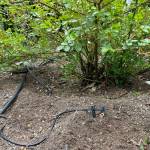
Mid-winter, when your shoes won’t seem to dry out, it’s hard to imagine that water conservation is an important issue on the Olympic Peninsula. We might take an abundant supply of water for granted, however, as recently as 2019 the peninsula was in a severe drought.
It’s a year-by-year dilemma within the state of Washington state, including the western edge, only one low winter snowpack away from another drought.
After plentiful sun and rich soil, water is the third most important element in the garden. Yet, it is often the least considered.
If vegetable gardens are water stressed, a decrease in vitality and yield may result. Landscape plants that are chronically over- or under-watered perform poorly and are more susceptible to diseases, pests and failure.
To conserve water and to protect the hard work and investment you put into your garden, developing a water plan is a smart idea. A plan doesn’t have to be expensive; it can be as simple as attaching a manual timer on a soaker hose (the importance of a timer for any method of watering can’t be understated).
A few things to keep in mind:
• Most plants on the North Olympic Peninsula need supplemental summer water (even many advertised as drought tolerant).
• Hyrdrozoning (clustering plants with similar water needs) is a good plan.
• Frequent, shallow watering leads to shallow roots which leads to stress in hot conditions.
• It is better to water very early in the morning.
• Soil needs to be moist and receive water for added fertilizer to be effective.
• Too much water can be as bad as, or worse, than too little.
• A timer is an essential tool (both plant and property damage can occur from water unintentionally left unattended).
Make plans
For any watering plan it is helpful to sketch the garden on paper. Break out each area that has separate requirements.
For example, a vegetable garden will have different water needs than a shrub bed.
Each area can be approached, one at a time, as its own project. This sketch does not have to be to scale but should be as detailed as possible noting approximate distances, water sources and plant types.
Applying water deeply and thoroughly is the key to proper watering.
Generally, established trees, shrubs, lawns and ground covers only need to be irrigated thoroughly once a week during our dry period (and some established plants might need even less than that). For these areas a soaker hose or even a sprinkler (on a timer) might be best. Keep in mind anything newly planted will need regular water for the first year.
Drip systems
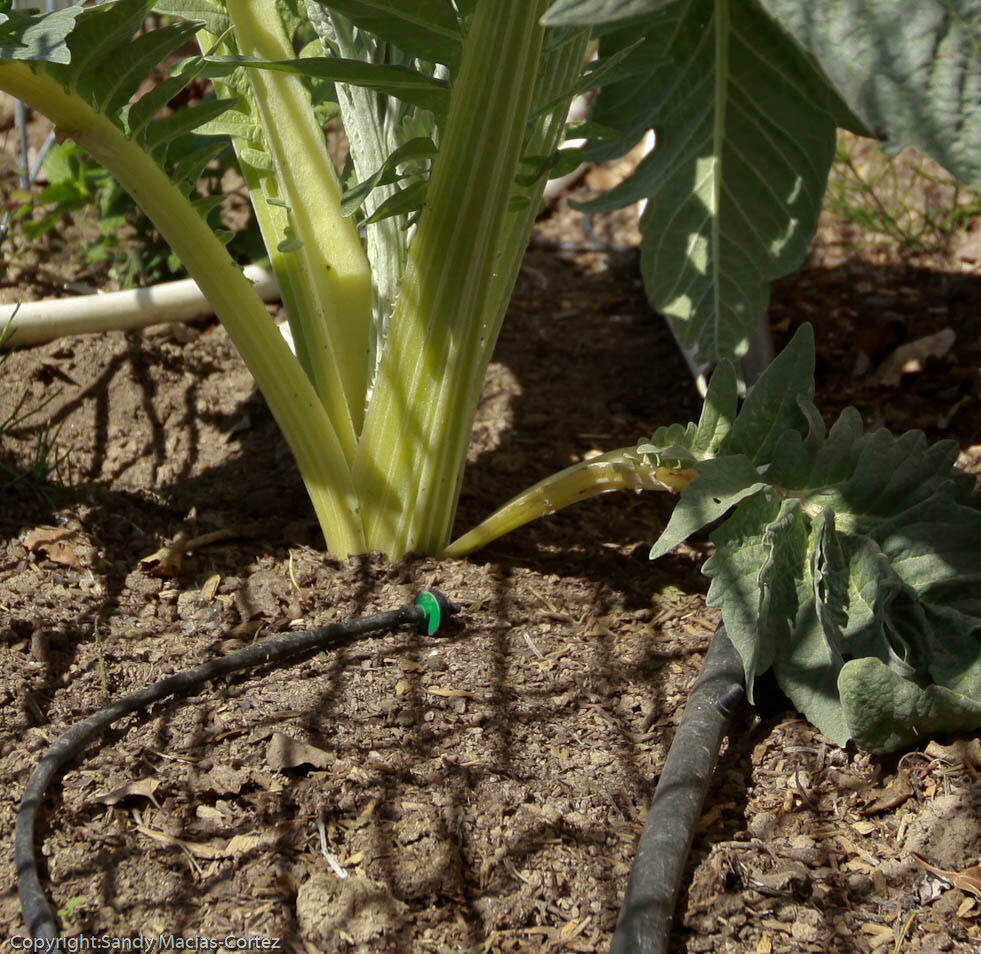
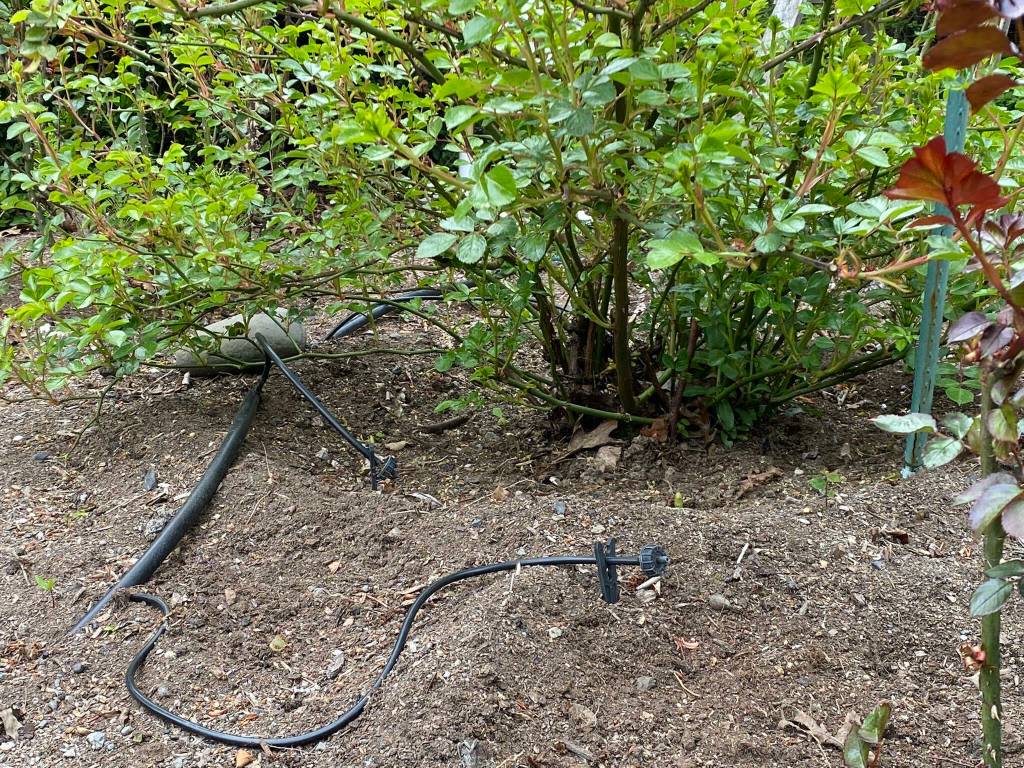
Planters, bedding plants and vegetables may need to be watered thoroughly several times a week (even daily in the hottest part of the summer). This is an area to consider a more permanent, and automated system such as drip irrigation.
There are many good reasons to consider setting up a simple drip system. A drip system can be 90-95 percent efficient compared to hand watering. It will save time and labor, even operating automatically while you are on vacation.
Drip systems that direct the water only to the root zone can reduce weeds and disease, making for healthier plants. A watering schedule using an automatic timer, helps provide consistent and adequate moisture during the dry season.
For the do-it-yourselfers, simple drip systems are not difficult after a small learning curve; there are even kits available for different situations.
That said, installing an extensive drip system can be complex and physically demanding; hiring an irrigation specialist may be necessary.
If a contractor is used, insist on taking part in, and understanding, any installation so that future simple DIY repairs can be made quickly and inexpensively.
For more watering advice and information to help get started, see Washington State University’s “Watering Home Gardens and Landscape Plants” (EB1090) available for free at pubs.extension.wsu.edu/watering-home-gardens-and-landscape-plants or the website on drip irrigation techniques and general information: foodsystems.wsu.edu/crops/irrigation.
Susan Kalmar is a WSU-certified Clallam County Master Gardener.
‘Water in the Garden’
Conserving water by using water efficiently and avoiding waste isn’t just the responsible thing to do, it’s good for your plants. If you have more questions than answers about watering on the Olympic Peninsula, plan on attending the Clallam County Master Gardener Digging Deeper presentation on “Water in the Garden” by Master Gardeners Susan Kalmar, Tom Del Hotal, Roger Steinert and Ray Kirk. The hands-on presentation will from 10:30 a.m.-noon Saturday, June 4, at the Woodcock Demonstration Garden, 2711 Woodcock Road. Important aspects of water and its efficient use will be presented with information on how much to water, where to water and how to water. A hands-on Q&A will cover a range of watering methods from soaker hoses and simple drip to multi-valved control systems. For more information see the Educational Activities section located on the Master Gardener Foundation website at clallammgf.org.


Best of Olympic Peninsula