Get It Growing: Canada Thistle — stubborn, spiky and hard to beat
Published 3:30 am Wednesday, July 16, 2025
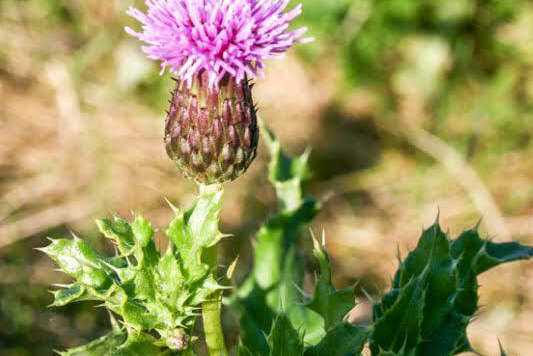
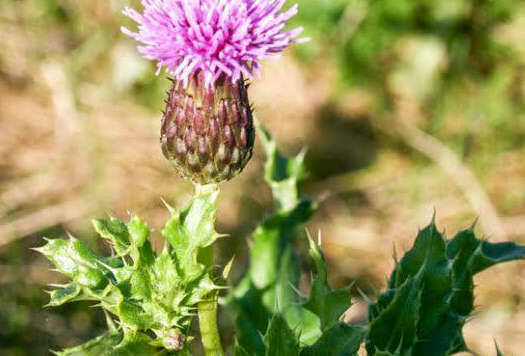


Canada thistle (Cirsium arvense) may sound friendly and indeed it has a lovely purple flower, but gardeners and landowners know better. This prickly perennial weed is a menace and is listed as a noxious weed in 43 states. Despite the name, it didn’t immigrate from Canada: it’s native to Europe and Asia, and it’s been invading North American soil for hundreds of years.
Canada thistle spreads aggressively through both seeds and an underground root system called rhizomes. One plant can produce thousands of seeds and send out roots that travel horizontally underground, sprouting new shoots as they go. This makes it particularly difficult to remove, and more frustrating still, cutting it back once or twice usually makes it grow back stronger.
Many people ask: How do you manage Canada thistle without using chemical herbicides? There are several strategies to try; just know that, in the end, it’s a battle of wills.
Smothering: Canada thistle thrives in sunlight. It struggles when deprived of it. In garden beds or smaller patches, laying down black plastic, layers of heavy cardboard, or landscape fabric (covered with mulch) can help smother shoots and prevent new growth. This may take a full season or longer to truly starve out the root system.
Mowing: While one or two mowings won’t stop thistle, frequent, consistent mowing throughout the growing season can slowly exhaust the plant’s energy reserves. The idea is to never let it photosynthesize long enough to rebuild strength. In lawns and pastures, mowing every 2 to 3 weeks can make a real difference over time.
Digging: This method works best for individual plants or small patches. Use a garden fork or spade to loosen the soil and follow the roots as deeply as possible—ideally down a foot or more. Remove every piece of the root that can be found. Even small fragments left behind can regrow, so persistence is key. Follow this by smothering the area for added protection.
Perhaps the most important tool is patience. Canada thistle is a formidable foe; it won’t disappear overnight. A multi-season approach combining several of the organic methods often works best.
Upcoming events
Here are the topics for this month’s Digging Deeper Saturdays series, free events held from 10:30 a.m. to noon at the Woodcock Demonstration Garden, 2711 Woodcock Road in Sequim.
July 19: Master Gardener Jeanette Stehr-Green presents “All About Raspberries.” She will discuss selection, planting and care of raspberries and give a raspberry pruning demonstration.
July 26: Master Gardener Pam Pace presents “Your Fall/Winter Garden,” with what gardeners need to do now for a robust fall/winter garden.
Two Digging Deeper Plant Clinics are also scheduled for this month, at the same location. They will be from 9:30 a.m. to 12:30 p.m. on July 19 and 26. Bring your questions, samples and photos and master gardeners will research the problem.
________________
Susan Kalmar is a WSU Clallam County Master Gardener.