
By Henry Florschutz
The first time I went to Glacier Bay National Park (GBNP) was to climb Mount Fairweather, 15,300’, via a new route called the Southwest Ridge in 1973. The expedition lasted 28 days and there were four young climbers on the trip. We started at sea level until we reached the summit.
The route started on the glacial moraine, through three ice falls, 20-plus miles of glacier, rock cliffs, cornices, avalanches, ice and snow slopes. We experienced weather including rain, snow, fog, overcast skies and whiteout conditions and even had an earthquake while climbing on one of the slopes. We completed the fifth ascent of the peak.
Sixteen years later, in 1989, I went back to the area for 14 days. My future partner Donna and I rafted the Tatshenshini River and the lower Alsek River starting in Yukon, California and ending on the northwest side of the GBNP for 150 miles. On this trip we also took our mountaineering equipment with us on the raft and traveled up one glacier in a multi-day excursion to ascend a small unnamed peak. We had marvelous views of Mount Fairweather from the valley, and this reminded me of the first time I had experienced the park. Great white water, great landscapes and some good wildlife sightings made us happy.
By 1996, I was itching to get back to this wilderness. A group of four of us did an 11-day sea kayaking trip to the East Arm of the Glacier Bay National Park and paddled back to the park visitor center in Gustavas, Alaska. This trip started at the head of the East Arm where a few glaciers cascaded in the sea water. Camping was great. Lots of black bear sightings, whales, sea lions, sea critters, etc. Once again great views of mountains, icebergs and glaciers.
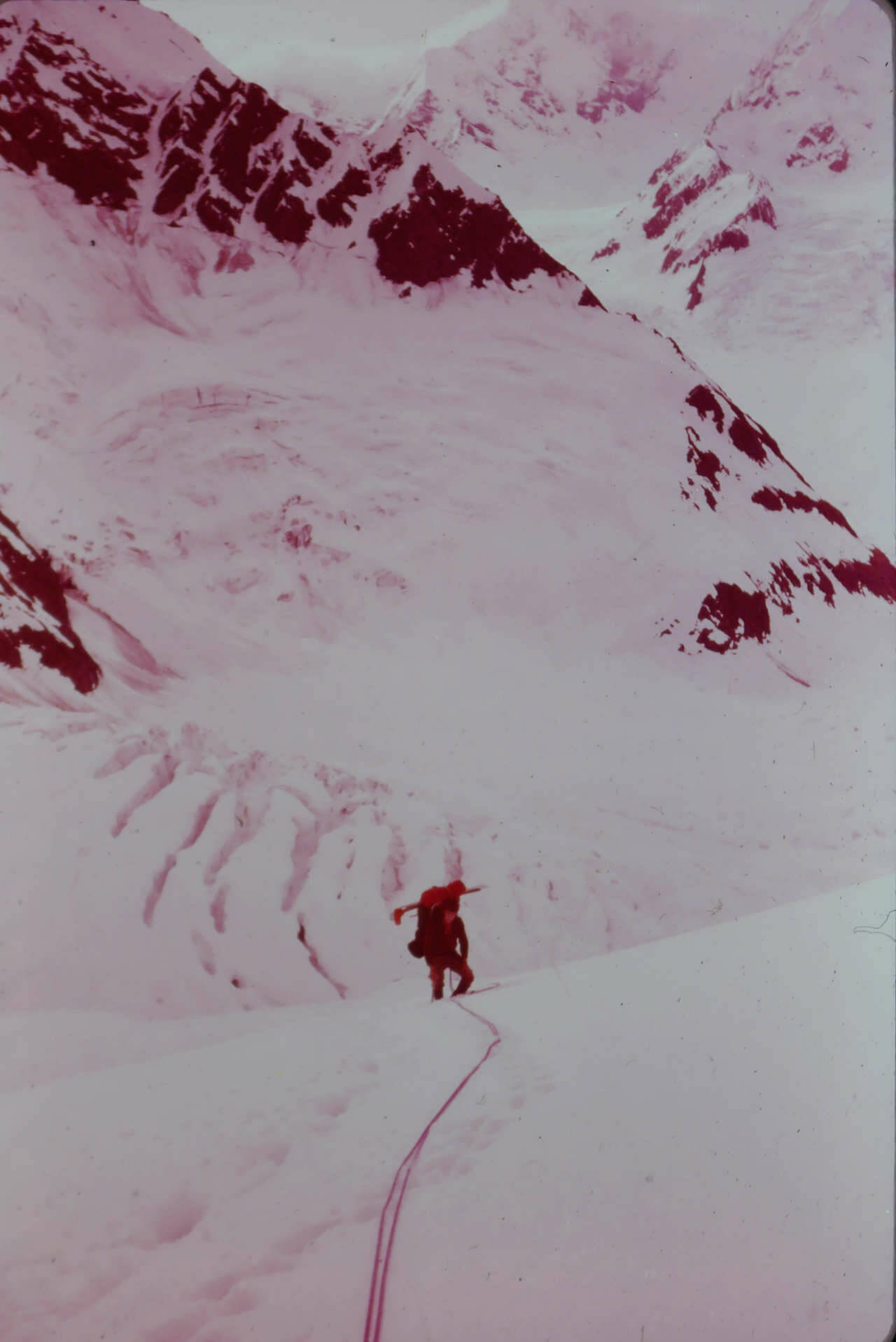
Photo courtesy Henry Florschutz/ Florschutz’s first trip to Glacier Bay National Park was in 1973 to climb Mount Fairweather.
Then back again in 2003 to raft the Alsek River proper from Haines Junction, California to Dry Bay toward the coast. This trip was 14 days in length, 150 miles long and included some harder whitewater including one rapid nick named Lava of the North. This time weather was clear for the entire trip but the wind never stopped giving us the numerous layover days for hiking in many valleys and exploring the lower parts of the glaciers. Once again at Alsek Lake were great views of Mount Fairweather and fantastic sightings of brown bears and lone wolves from a distance.
Donna and I retired and in the summer of 2022 we went back to Gustavus to start a trip in the West Arm of Glacier Bay National Park where we had wanted to go to since our last sea kayak trip in 1996. We spent several days near the visitor’s center exploring before setting out for an eight-day trip. Once again there was endless icebergs from the glaciers falling into the sea. Whales, seals, sea lions, other sea creatures and our best and scariest encounters with brown bears that we have ever had. All was good, camping with Leave no Trace and bear principles and a little luck, since this was a June trip with the bears just waking up after a long winter.
Glacier Bay National Park is a great park to visit no matter what the adventure or visit entails with the environment, activities, wildlife and sights. Other than in the backcountry, there are numerous additional ways to experience the park including cruise ships, a daily ferry boat, camping and small crafts if one does not want to rough it as much. Gustavas is reached by Alaska ferry, daily jet planes, prop planes and charter bush flights. A beautiful lodge located at the visitor center near Gustavas is a great place to start and end a trip to Glacier Bay National Park.
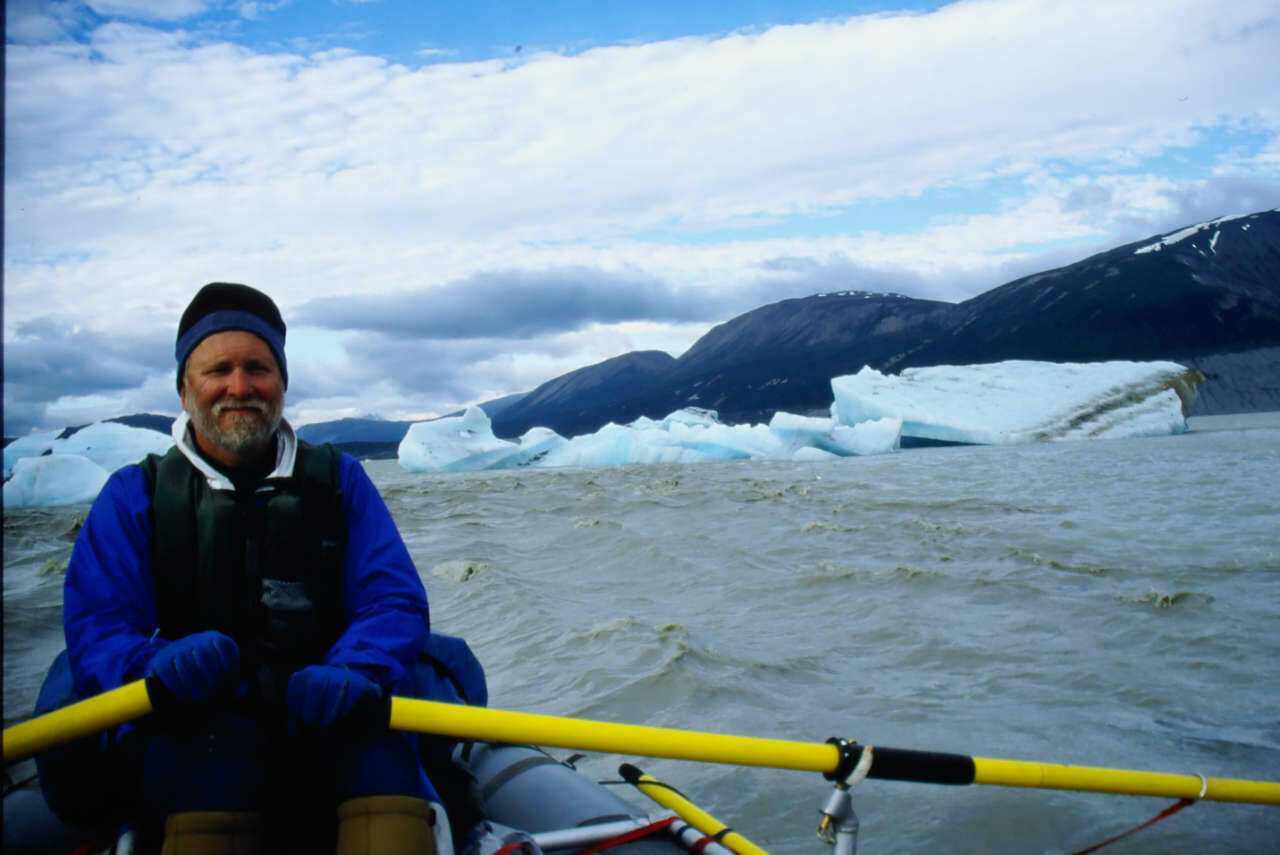
Photo courtesy Henry Florschutz The year 2003 brought adventures kayaking the Alsek River.
About the presenter
Growing up in the Bronx, Florschutz always had an itch to travel and leave New York City. He explored the Catskills, Shawangunk’s, Adirondacks and New England during his teens. He continued outdoor adventures to the eastern United States, western United States and north in Canada and Alaska starting at the age of 19.
At first, Florschutz was a hiker, rock climber and mountaineer, which progressed into him becoming an avid explorer of wilderness via mountains, canyons, rivers and ocean. He worked for Outward Bound programs for over 33 years and participated in personal trips for 50 years. He moved to the Northwest from Colorado in 2009 and settled in Port Townsend in 2014.
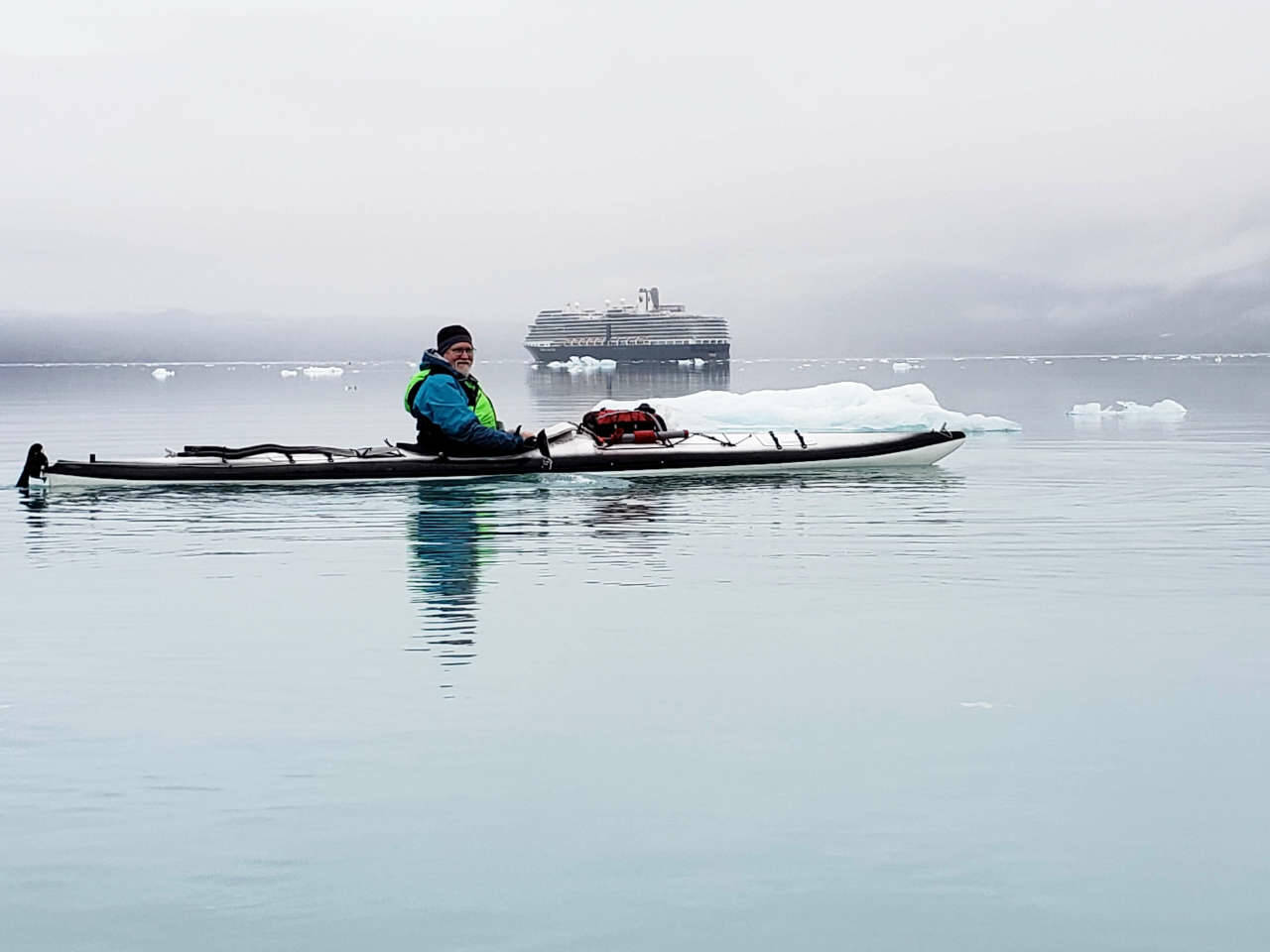
Photo courtesy Henry Florschutz/ After retiring, Henry and Donna Florschutz went back to Gustavus and did some kayaking.
About the series
Traveler’s Journal, a presentation of the Peninsula Trails Coalition, raises funds to buy project supplies and food for volunteers working on Olympic Discovery Trail projects. Shows start at 7 p.m. at the Dungeness River Nature Center, 1943 W. Hendrickson Road.
Admission is a suggested donation of $10 for adults.
For more information, or to offer to be a future presenter, email Arvo Johnson at amjcgj@gmail.com.
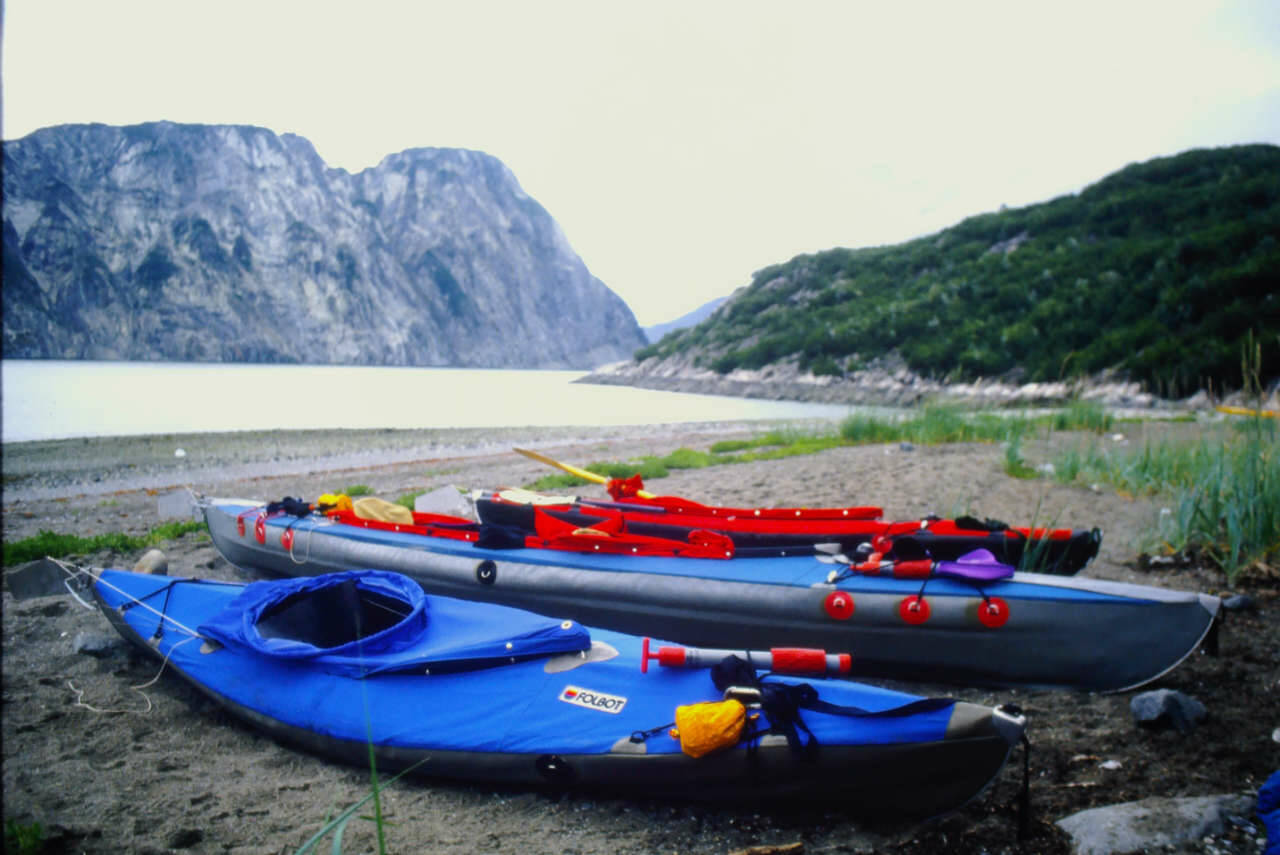
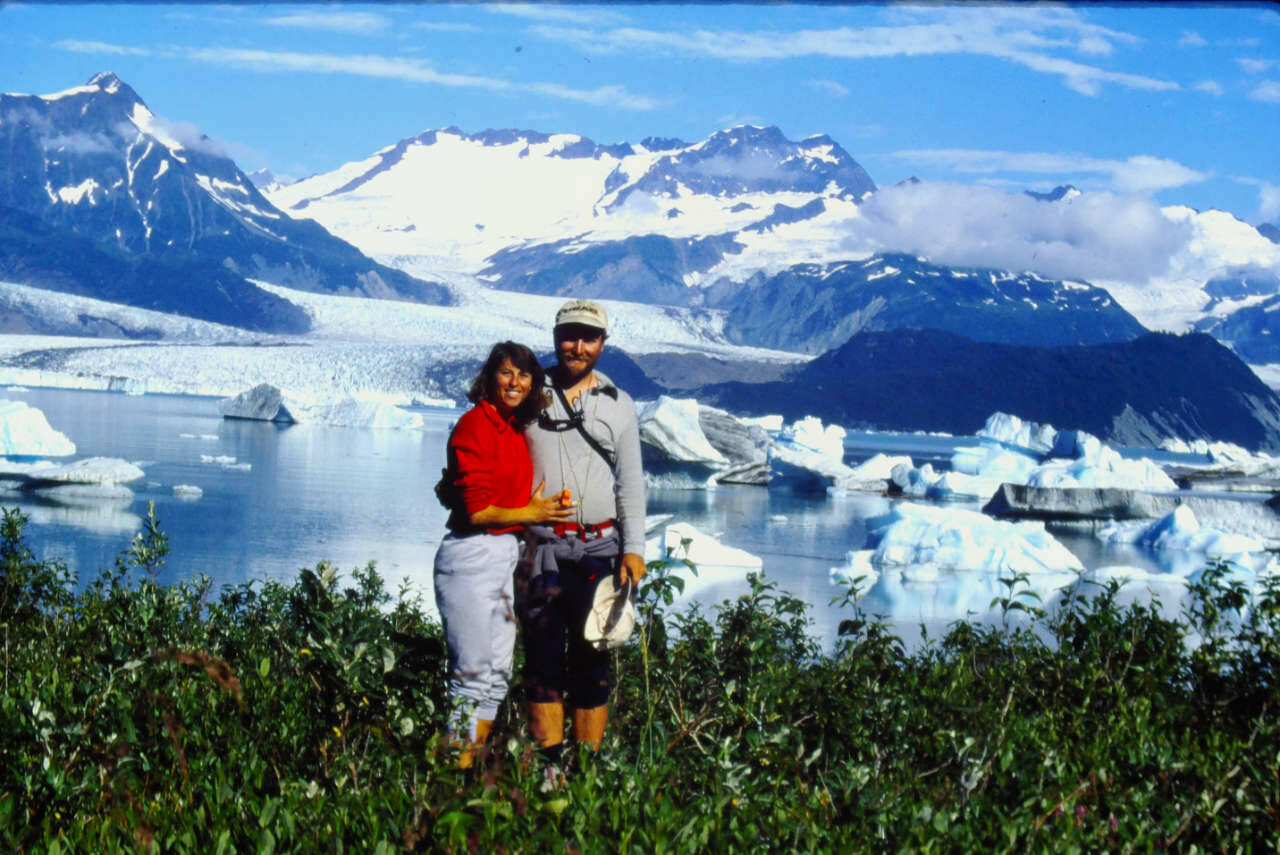
Photo courtesy Henry Florschutz/ In 1996, Henry and Donna Florschutz enjoyed an 11-day sea kayaking trip to the East Arm of Glacier Bay National Park.
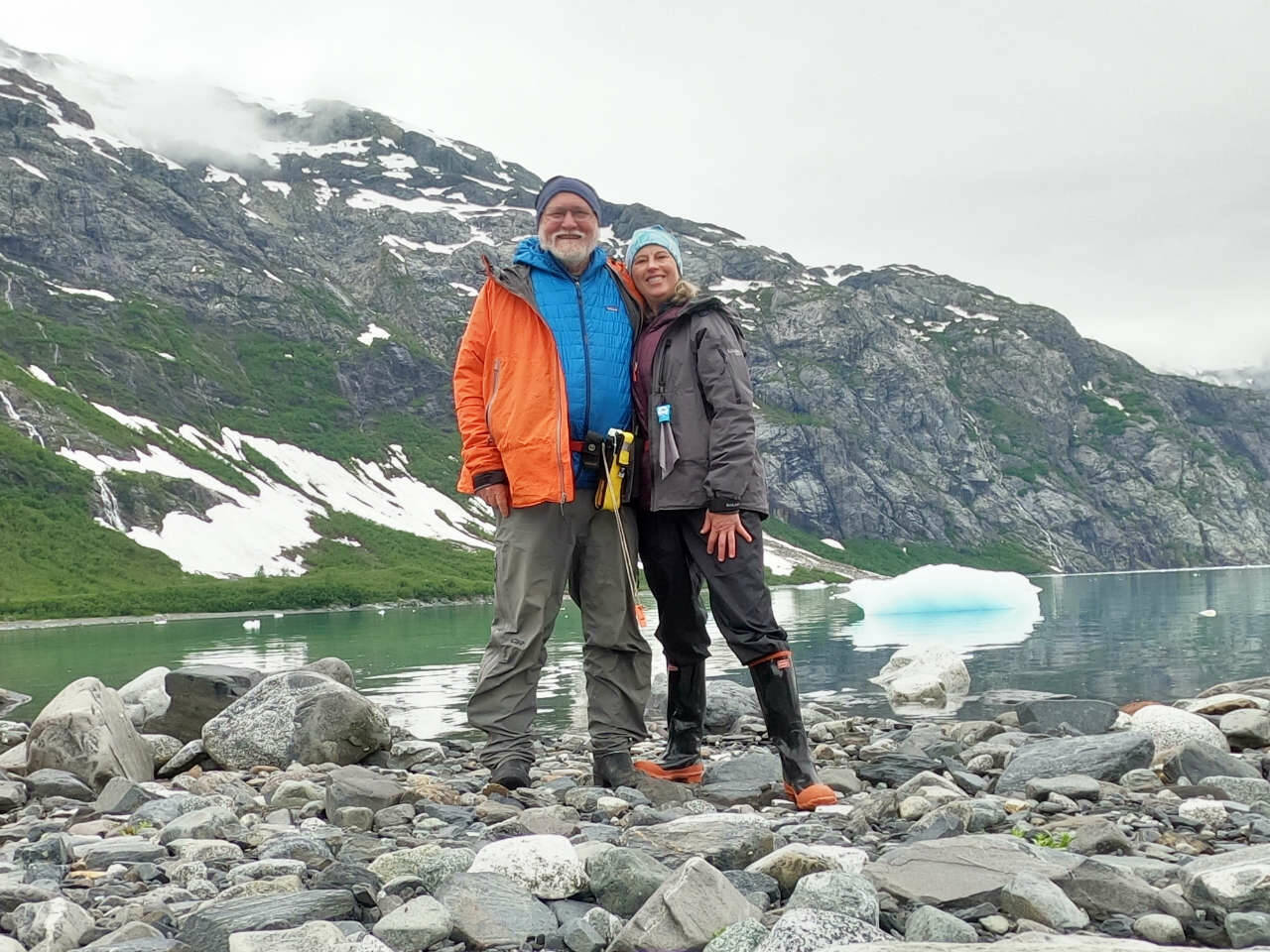
Experienced travelers Henry and Donna Florschutz enjoy visiting Alaska’s Glacier Bay National Park.