Mason bees are prolific pollinators
Published 4:43 pm Wednesday, March 19, 2014
Sequim Gazette staff
The buzz at Saturday morning’s class was that spring is coming and so should the mason bees.
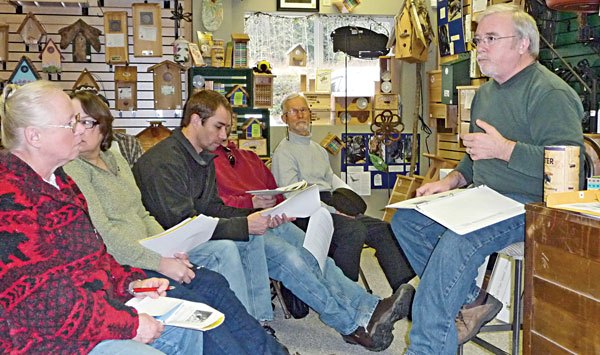
Wild Birds Unlimited in Gardiner hosted a talk and question/answer session by bee expert Bob Logue of Port Townsend. More than two dozen people, including several beekeeping professionals, attended to learn how to help the docile native bees thrive in their gardens and orchards.
Logue explained how mason bees are distinct from their honeybee cousins: They’re smaller, all black and don’t have a queen. They do not live in a hive but instead in nesting holes one-fourth to three-eighths inches in diameter. Masons are homebodies and are not aggressive, except in how they forage for nectar and pollen to feed their young. They sometimes visit 75 flowers per trip, each food ball requiring 25 trips. “Busy as a bee” they are indeed.
“They are much more efficient pollinators than honeybees,” Logue said. “It’s all about collecting and moving pollen.”
As the masons of the bee world, the female bees require a water and mud source to build the “walls” between each egg/food ball combination. Logue noted that gardeners and orchardists can encourage more mason bees to pollinate their fruit trees, reaping the reward of more fruit, by setting out commercial or homemade nest boxes, drilled with the preferred-size hole, or by buying straw inserts in which the females can lay their eggs.
Logue said masons prefer plants with open-face blossoms such as blackberry, currant, apple, plum, peach and pieris.
For more information about mason bees, contact Logue at 360-301-5164 or Christie Lassen, owner of Wild Birds Unlimited, at http://gardiner.wbu.com/ or 360-797-7100.