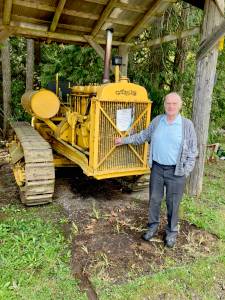
Five Acre chess students make their moves
Published 1:30 am Wednesday, June 7, 2023
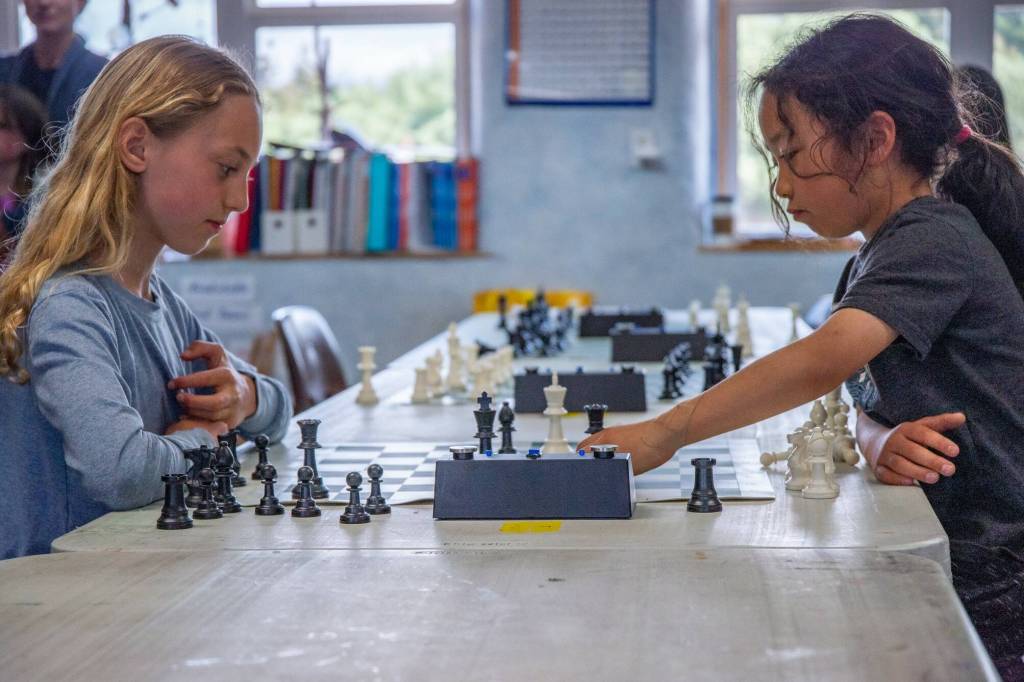

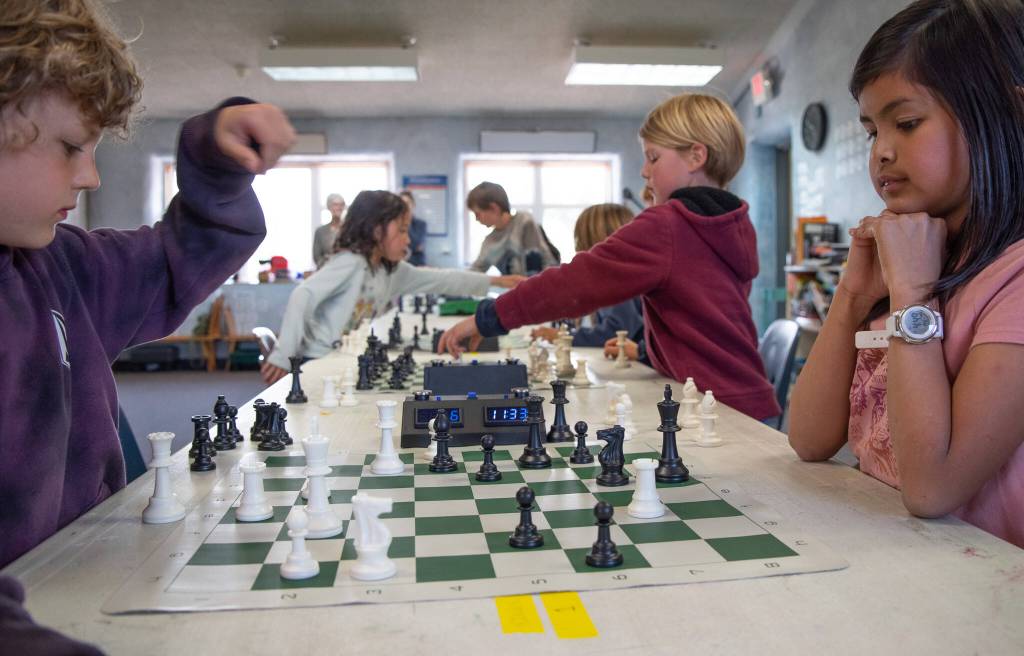
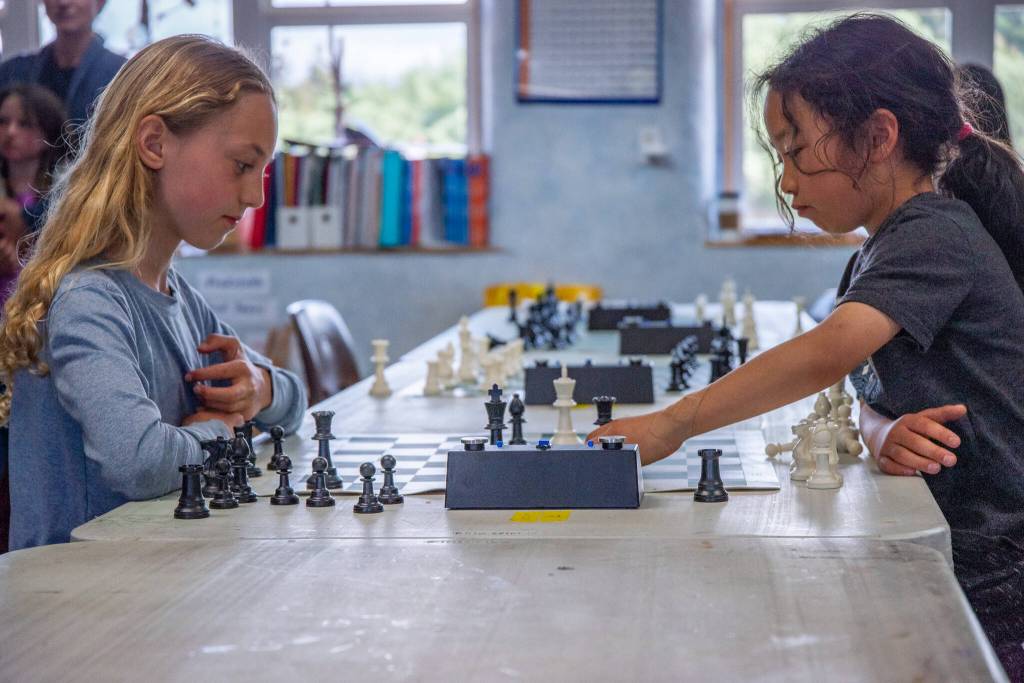
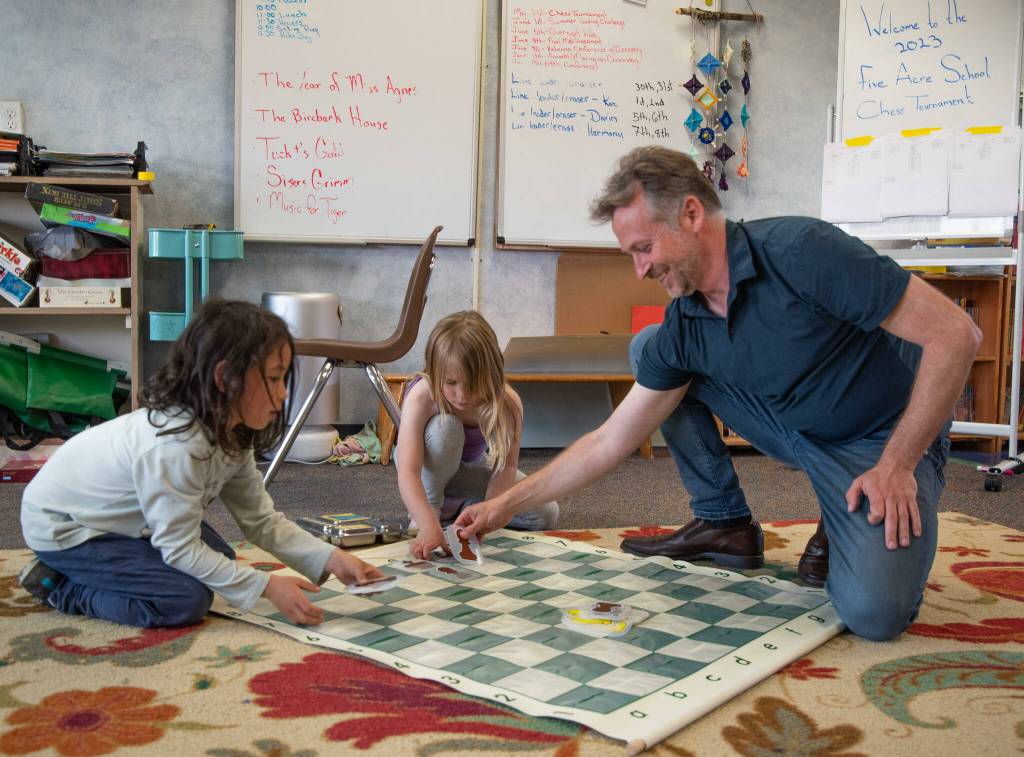




Sequim’s Five Acre School added a new activity to their after-school offerings, a chess club, which held its end of the year tournament on May 31.
The chess club is made up of second to fourth grade students with a varying amount of skill, categorized into “pawn,” “knight” and “king” groups. Students competed within their self-selected level using chess timers set to 15 minutes for each side, as in bigger chess tournaments..
Players shook hands at the end of each game and merrily compared cumulative scores. Winners in each division were announced to cheers.
The chess club was a united effort of Adventure class teacher Dianne Sullivan and parents Theresa Churchill and Derek Slife, and was so popular it will likely continue next school year.
Slife said that he was taught chess at kindergarten age and it had a large and positive role in his life. He said he was happy to pass that teaching on to the children.
“A lot of them started out not knowing how to move the pieces and now they play in recess and after school,” Slife said.
“We have really seen their focus and patience grow from the beginning of the year.” He said that some found it challenging to focus for a complete game near the beginning, but now, “it is like nothing else in the world is going on, except the game in front of them.”