Washington must reinvest in community colleges like Peninsula College
Published 1:30 am Wednesday, March 4, 2026
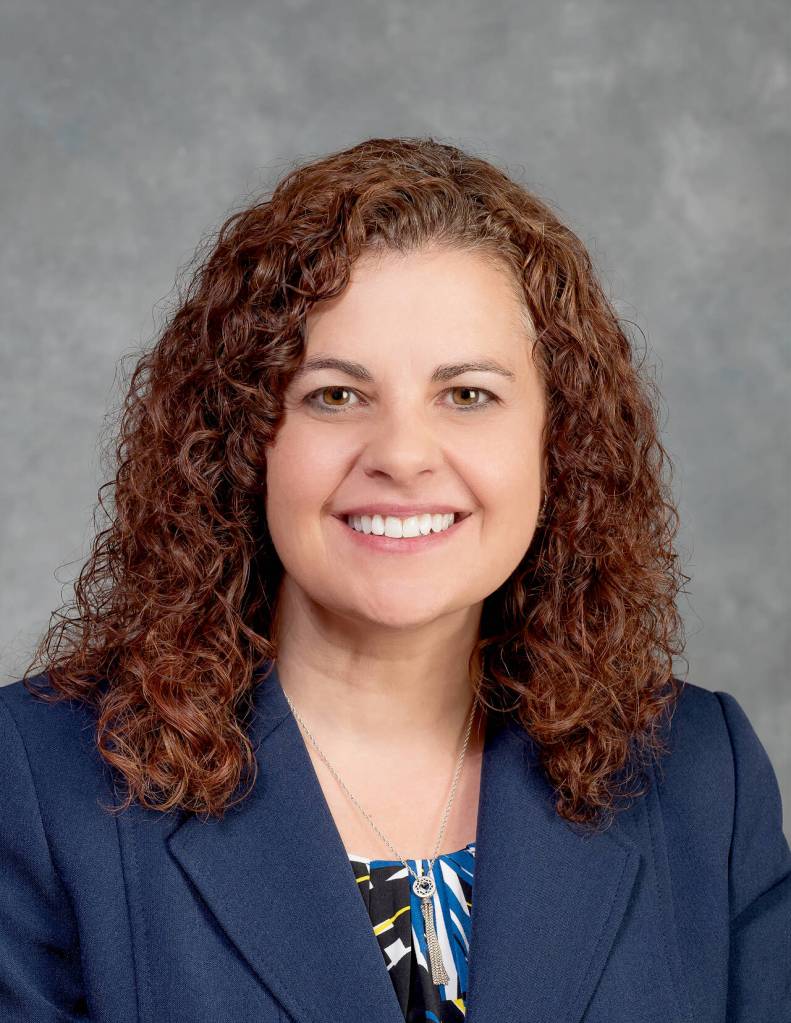
By Suzy Ames
You don’t have to look far on the North Olympic Peninsula to see the impact of Peninsula College.
The nurse caring for your family at Olympic Medical Center. The welder building infrastructure in our shipyards. The early childhood educator guiding a classroom in Port Angeles, Forks, or Chimacum. The dental hygienist who will soon serve patients in our own community through our new program.
Peninsula College graduates power our local economy, our schools, our health care system and our small businesses. We are not just a college. We are a workforce, opportunity and community stabilizer.
That’s why it is so concerning that Washington’s funding model for public colleges has not kept pace with reality.
Like nearly every community college across the state, Peninsula College is navigating significant budget pressures. Last year, we absorbed a 7% budget reduction, approximately $2.2 million, due to enrollment shifts and state funding challenges. We made painful decisions, including closing our Fort Worden campus, eliminating staff positions and reducing expenses across the college. We are continuing to evaluate additional reductions this year as we face a projected shortfall.
These are not decisions we make lightly. And they are not the result of inefficiency or lack of demand.
The challenge is simple: the cost of operating a modern, student-ready community college continues to rise, while state funding has not kept up.
Nearly 80% of our budget supports employee salaries and benefits, the people who teach classes, advise students, provide tutoring, keep facilities safe, maintain technology and ensure students have access to food, housing assistance and mental health support.
When legislatively approved cost-of-living increases are not fully funded by the state, the gap has to be absorbed somewhere. When the state caps the cost of tuition far lower than inflation, the gap has to be absorbed somewhere. When the state limits flexibility in our funding so it can’t cover our inflation-driven higher bills, the gap has to be absorbed somewhere.
There is no more margin. Every limitation put on us at the state level means a direct cut to programs, course sections and positions that serve students.
At the same time, we are working harder than ever to meet the needs of today’s students.
Many of our students are working adults. They are first-generation college students. They are parents, caregivers and veterans. They are balancing jobs, childcare, housing costs and rising grocery bills. For them, the cost of college is not just tuition. It is transportation. It is lost work hours. It is whether they can afford books and meals.
Peninsula College exists to meet students where they are.
We offer in-person advising and student support in Port Angeles and in East Jefferson County, and we continue serving students across Clallam and Jefferson counties through flexible learning options. Our accredited Dental Hygiene program will help fill a regional shortage of oral health providers. Our Workforce Programs help students retrain after layoffs. Our Basic Food Employment & Training and WorkFirst programs support students receiving public assistance so they can gain skills for family-wage jobs. Our Pirate Pantry ensures no student has to choose between food and textbooks.
Peninsula College is also investing in programs that address critical workforce shortages. Our Bachelor of Applied Science degrees in Behavioral Healthcare and Management prepare students for high-demand careers. Our Bachelor of Applied Science degree in Teacher Education is creating future teachers. Our welding, medical assisting, nursing and natural resources programs strengthen industries that are essential to our region’s future.
But strong programs require stable funding.
Washington’s complex economy increasingly depends on education beyond high school. Most family-wage jobs now require a credential or degree. If access to community colleges erodes, so does our state’s workforce pipeline.
When colleges are forced to reduce course offerings or student support services, students feel it immediately. We are doing everything we can to assure students will have a class they need to graduate on time. But there will be fewer choices.
That is not just an institutional loss, it is a community loss.
I understand that legislators face difficult budget decisions. Public dollars are limited, and the needs are many. But higher education is not an expense to be minimized; it is an investment that pays dividends for decades.
Community colleges like Peninsula College are often the most affordable and accessible entry point to higher education.
We serve rural communities, working adults and students who might not otherwise see college as an option. We keep talent local. We strengthen small businesses. We support health care systems. We help families build economic stability.
On the North Olympic Peninsula, our college is deeply woven into the fabric of our region. When Peninsula College is strong, our communities are stronger.
I urge state leaders to protect and strengthen funding for Washington’s community and technical colleges.
Our students are working hard.
Our faculty and staff are committed.
Our communities depend on us.
Now is the time to reinvest, not retreat.
Our students — and our region — deserve nothing less.
_____________
Dr. Suzy Ames is president of Peninsula College