Traveler’s Journal: Wildlife of the Scandinavian Arctic
Published 1:30 pm Tuesday, March 17, 2026
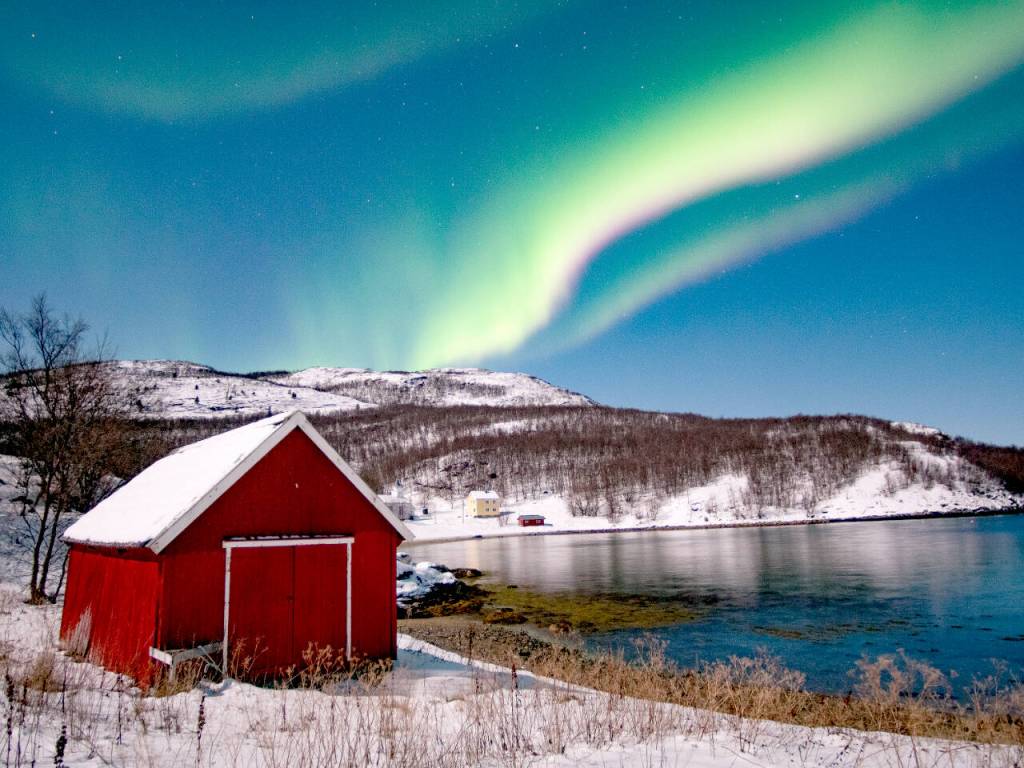
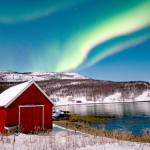
In November 2023, we traveled to Norway to see the aurora and photograph whales above the Arctic Circle. We were there for the last sunset of the year, as the sun wouldn’t rise again until around February 2024.
We had approximately four hours of twilight each day to photograph the wildlife, including the whales. We began in Tromsø, a coastal town of 80,000 people located 217 miles north of the Arctic Circle. Due to the warm waters of the Gulf Stream, the water off the coast of Norway remains ice-free year-round making it an excellent fishing port and a popular tourist destination.
We boarded the MV Polaris, an ecotourism boat, on an eight-day cruise with 10 others and explored the fjords to the northeast of Tromsø. We went out on daily excursions on zodiacs and had many close encounters with humpback whales and orcas. The trip also included visits to tiny fishing villages, dog sledding, snowmobiling and nighttime aurora viewing. After experiencing this area with only a few hours of twilight each day, we decided to return in the summer of 2025.
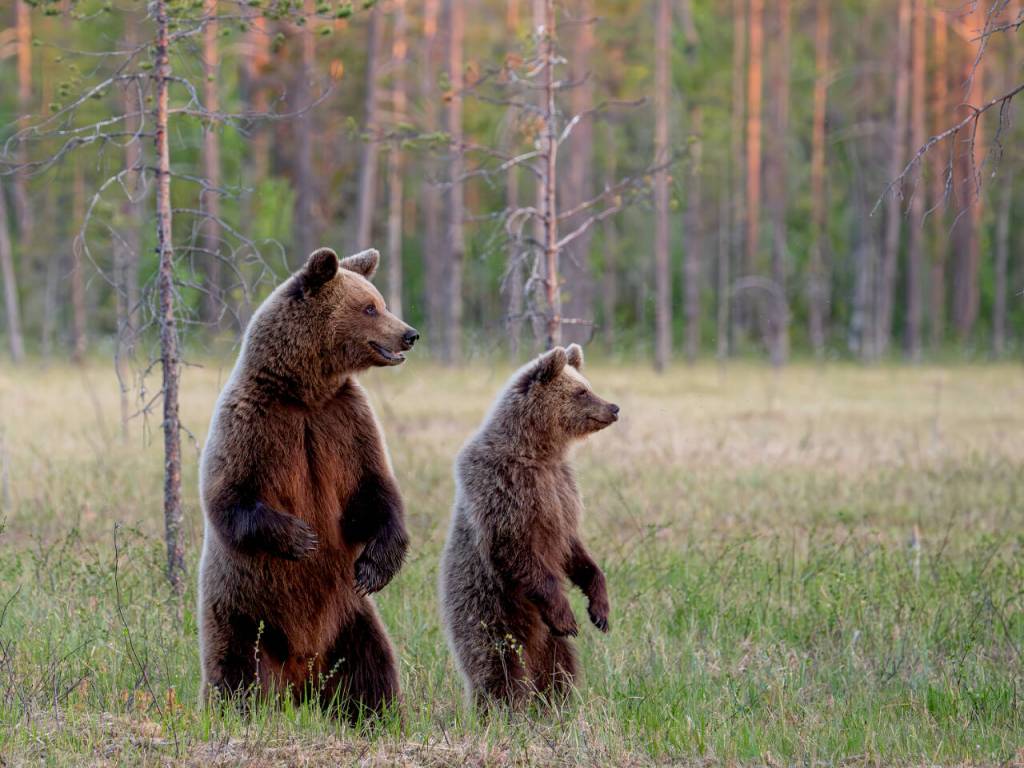
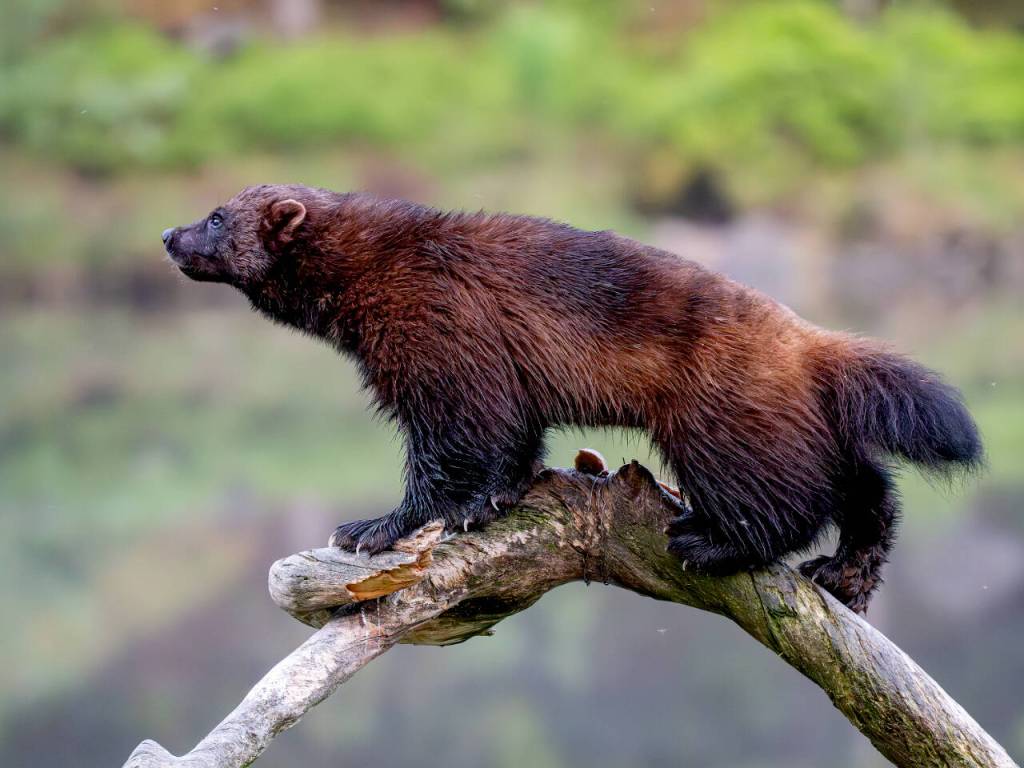
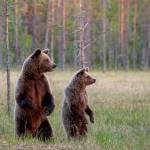
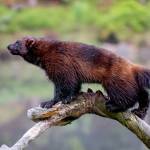
Since we were heading back to Norway, we thought it would be a good time to check off a bucket list adventure of trying to see wild wolverines. Finland is one of the best countries to look for wolverines in the wild. In June, we spent four days in photography blinds along the Russian border of Finland where wolverines, brown bears and gray wolves are frequently seen.
Then we headed to Norway, arriving in Longyearbyen which is the world’s northernmost settlement. We enjoyed the bonfires on the beach and celebrating with the locals as we arrived on the summer solstice, the longest day of the year. After a day exploring the area, we boarded the MV Polaris again for a wildlife cruise around the Svalbard Archipelago, traveling as far north as the pack ice, 860 miles north of the Arctic Circle.
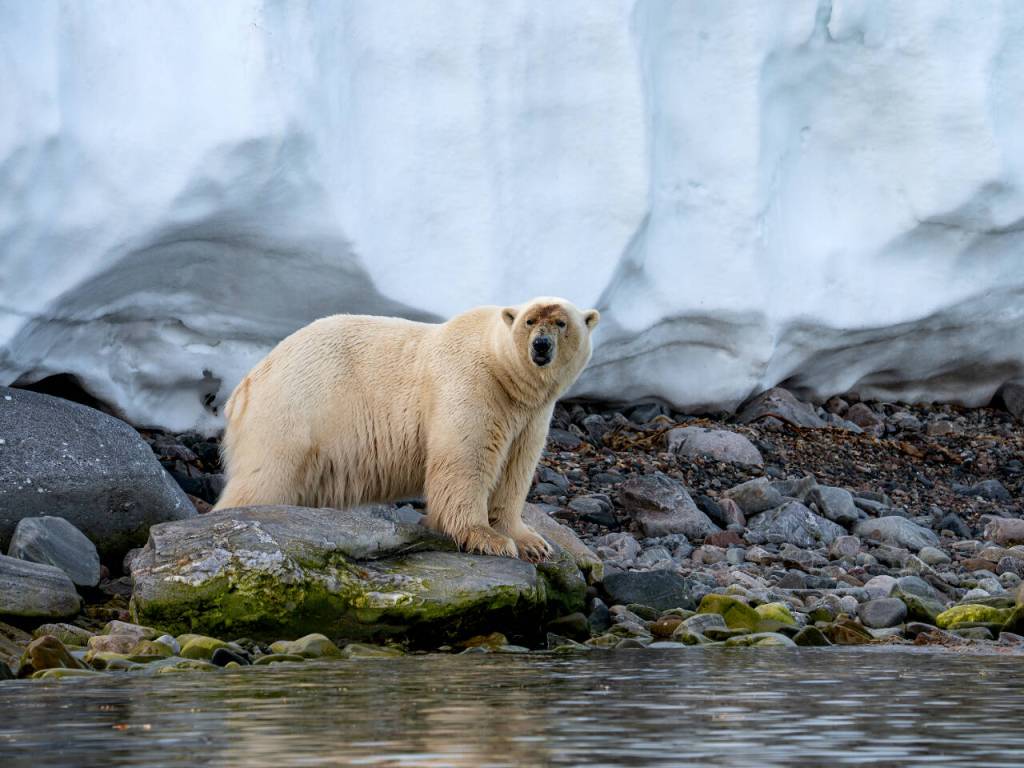
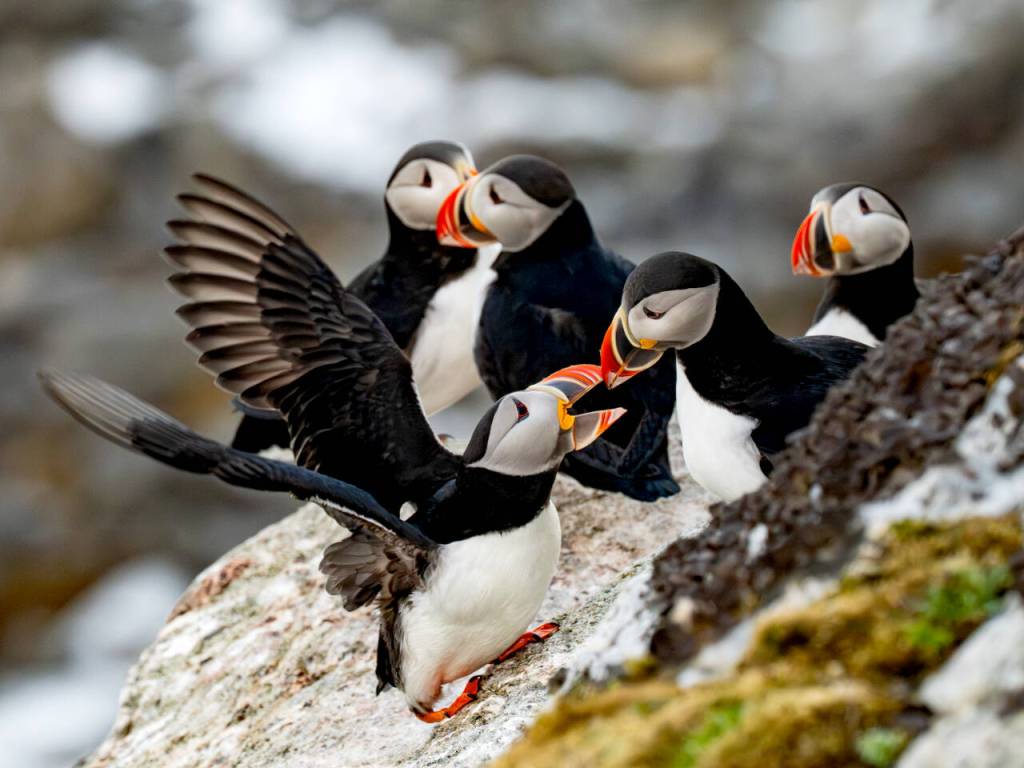
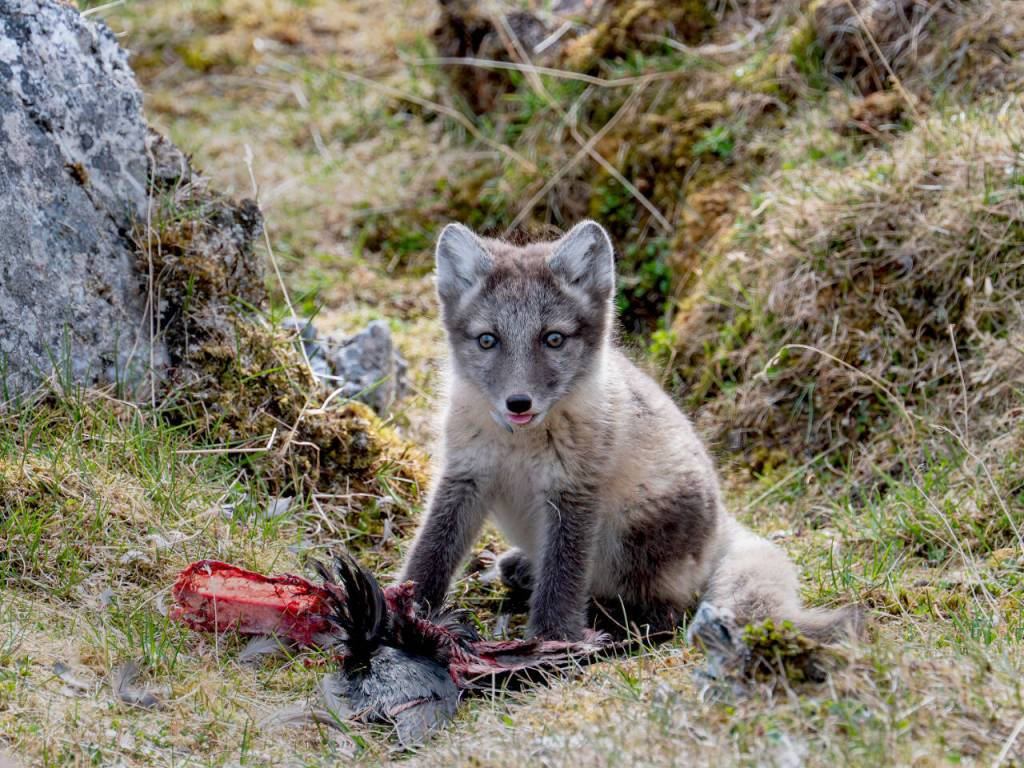
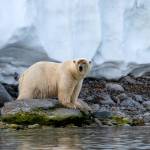
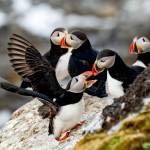
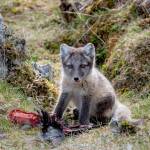
Our goal was to photograph walrus, polar bear, reindeer, and Arctic fox. We had several great sightings of walruses and polar bears, and were able to photograph reindeer and an Arctic fox family up close while hiking on the islands. We had several opportunities to visit colonies of marine birds, including Atlantic puffins and little auks, as well as the world’s largest colony of Brunnich’s guillemots, with over 100,000 nesting pairs. Along the way, we also explored a historic whaling village and a Russian coal-mining town.
We explored Norway in the deep blue twilight of the polar night as well as during the endless golden light of the midnight sun. We took our trips at completely different times, each one providing a unique view of life in the high Arctic.
About the presenters
Ken and Mary are wildlife and nature photographers who have spent over 45 years exploring all seven continents in search of extraordinary wildlife. Ken began photographing wildlife in high school and continued through college while majoring in Wildlife Biology. Mary joined him after they met at UNH, and together they have shared a global passion for capturing “fuzzy fixes.”
Their images focus on wildlife in action and the natural beauty of the world, and have been featured in local and national magazines, brochures, and calendars. The couple also give presentations to community groups, from service organizations and senior centers to schools and conservation groups, and donate their work to nonprofits for educational purposes to promote global biodiversity.
The Campbells volunteer with the Feiro Marine Life Center and Olympic National Park, and conduct monthly Coastal Observation and Seabird Survey Team surveys for a citizen science program at the University of Washington’s School of Aquatic and Fishery Sciences.
Ken is also an award-winning woodcarver, specializing in creating birds and fish. He donates his carvings to local nonprofits that support wildlife and environmental conservation.
About the series
Traveler’s Journal, a presentation of the Peninsula Trails Coalition, raises funds to buy project supplies and food for volunteers working on Olympic Discovery Trail projects. Shows start at 7 p.m. Thursdays at the Dungeness River Nature Center, 1943 W. Hendrickson Road.
Admission is a suggested donation of $10 for adults.
For more information, or to offer to be a future presenter, email Arvo Johnson at amjcgj@gmail.com.