Finding steady ground: Mental health in Clallam County
Published 1:30 am Wednesday, May 6, 2026
Lately, a lot of people in Clallam County have been feeling the strain. Between rising costs, uncertainty in the world, and the day-to-day pressures of life, it can feel like there’s always something weighing on you. In a rural community like ours, where people are used to pushing through and taking care of things on their own, that weight can be easy to carry quietly. But you’re not the only one feeling it.
Taking care of your mental health doesn’t have to be complicated; it can be as simple as managing stress, finding ways to stay steady, and getting through tough stretches with a little more support. Small, everyday strategies can make a real difference, and there are also more formal supports available if and when you need them.
Mental health isn’t just about diagnoses or crisis — it’s about how we think, feel, cope, and function day to day. It shows up in our energy, patience, focus, and how we handle stress and relationships. When those things feel off, it’s often a sign that something needs attention, not a personal failing. Small, intentional actions — how we structure our day, who we stay connected to, and how we respond to stress — can make a meaningful difference over time.
While these experiences are common, some groups may feel the impact more strongly or be less likely to talk about it. Men often carry stress quietly and may feel pressure to “push through” rather than reach out. Young people are navigating social pressures, isolation, and uncertainty about the future in ways that can be overwhelming. At the same time, many others — including older adults, caregivers, parents, veterans, people facing financial strain, and individuals who have historically had less access to care — may also be carrying a heavy load in less visible ways. Mental health challenges don’t look the same for everyone, but they are more common than we often realize.
If any of this sounds familiar, you’re not alone — and it doesn’t mean something is wrong with you. It means you’re dealing with a lot, like many others in Clallam County are right now. The encouraging part is that support doesn’t have to start with something big. Often, it’s small, everyday steps that help people feel a little more steady over time.
First, stay connected. You don’t need a large circle — just one trusted person can make a difference. A quick check-in, a shared meal, or a short conversation can help ease the sense of isolation that often makes stress feel heavier.
Second, pay attention to your routine. Consistent sleep, time outdoors, and some structure to your day can go a long way in stabilizing mood. Living in a place like Clallam County, many people already have a connection to the outdoors — leaning into that, even briefly, can be grounding.
Third, notice your stress signals. Feeling on edge, worn down, or disconnected are signs that something needs attention, not something to ignore. Catching it early can help prevent things from building up.
One simple strategy many people find helpful is a brief “reset” using your breath. Try this: inhale through your nose for four, hold for four, and exhale slowly for six. Do this for a minute or two. It can help calm your body and give you a moment to regroup during a stressful day.
Formal mental health support doesn’t always mean a long-term commitment or something intensive. For many people, a few sessions with a counselor can be enough to sort through what’s going on, learn practical tools, and feel more grounded. In Clallam County, there are a range of supports — including behavioral health providers, primary care clinics, school-based services, peer support, and substance use services — so people can find what fits their needs. Many providers also offer flexible options like brief counseling and telehealth to help reduce barriers.
Reaching out doesn’t have to be a big step. It can start with a question, a phone call, or simply gathering information. It’s okay to try different providers to find the right fit — what matters is finding support that feels comfortable and helpful.
Mental health is part of overall health. Taking care of it is no different than addressing a physical injury or illness — it’s a sign of strength, not weakness.
If there’s one thing to take away, it’s this: you are not alone, and support is closer than you might think. Small steps — staying connected, maintaining routine, and reaching out when needed — can make a meaningful difference over time.
As a community, we look out for each other. That includes checking in, speaking openly, and making space for people to get the support they need. Hope grows in those small, everyday actions — and it’s something we can all be part of.
If you or someone you know could use additional support, there are several ways to reach out. You can call or text 988, the Suicide and Crisis Lifeline, for immediate support at any time. Talking with your primary care provider can also be a helpful starting point for guidance and referrals. Peninsula Behavioral Health (PBH) and other local providers offer services ranging from brief counseling to more ongoing support, including substance use treatment and recovery services. Many people use substances as a way to cope with stress or difficult experiences, and support is available without judgment.
You can also dial 411 for general information about local resources, explore directories like Psychology Today to find therapists, or check if your employer offers an Employee Assistance Program (EAP), which often includes short-term counseling at no cost. There are options — and reaching out is a strong and meaningful first step.
___________________
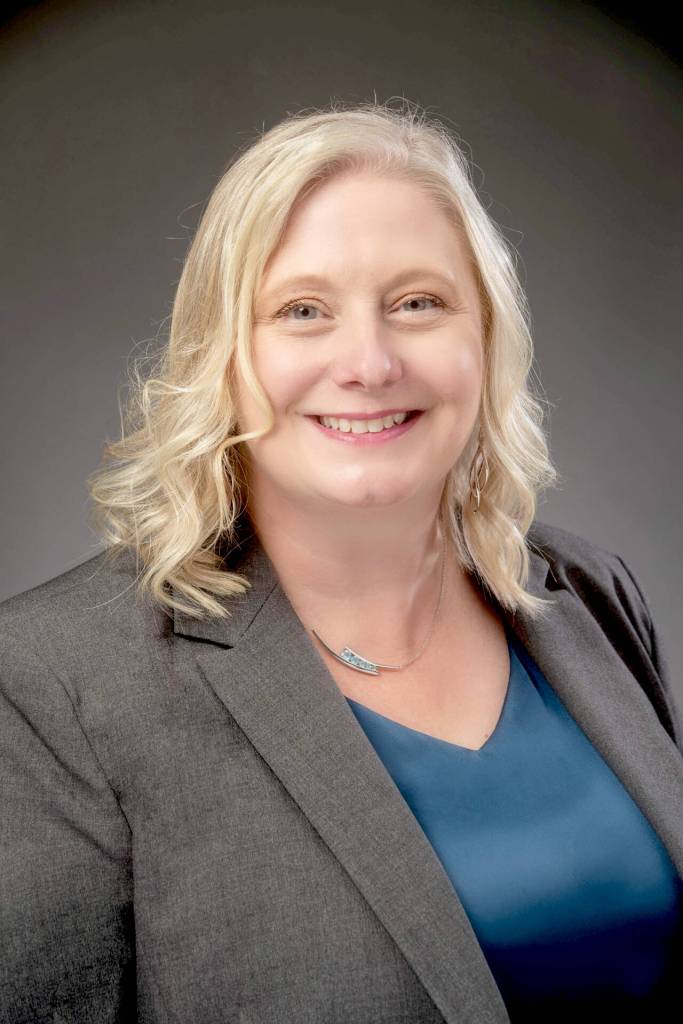
Wendy Sisk is Chief Executive Officer of Peninsula Behavioral Health



Best of Olympic Peninsula