Sequim man keeps first president speaking
Published 4:30 am Wednesday, July 1, 2026
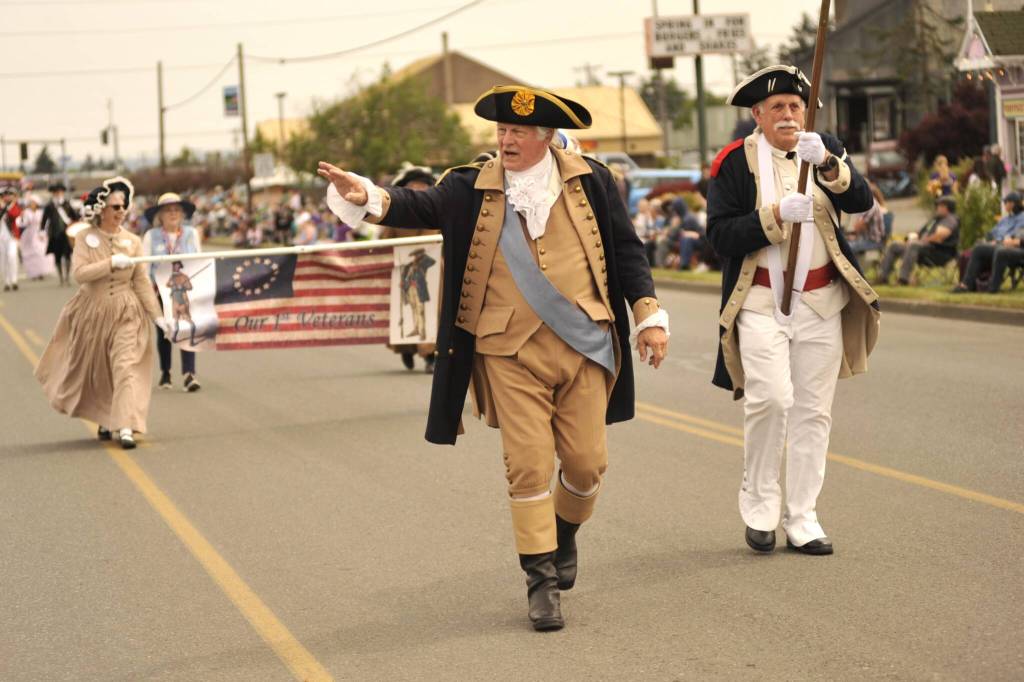
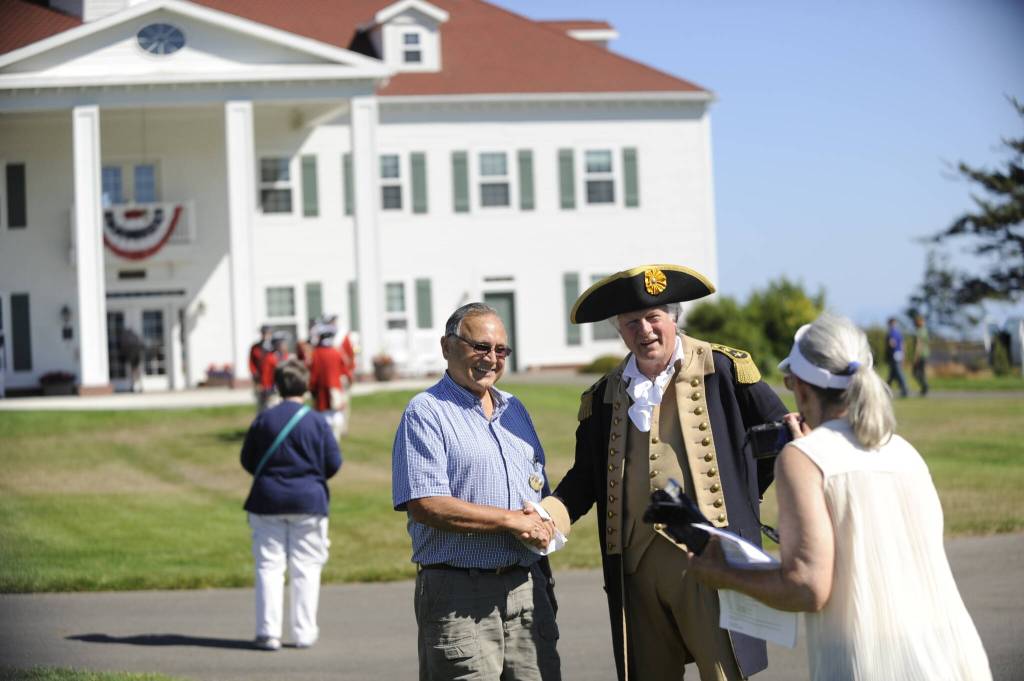
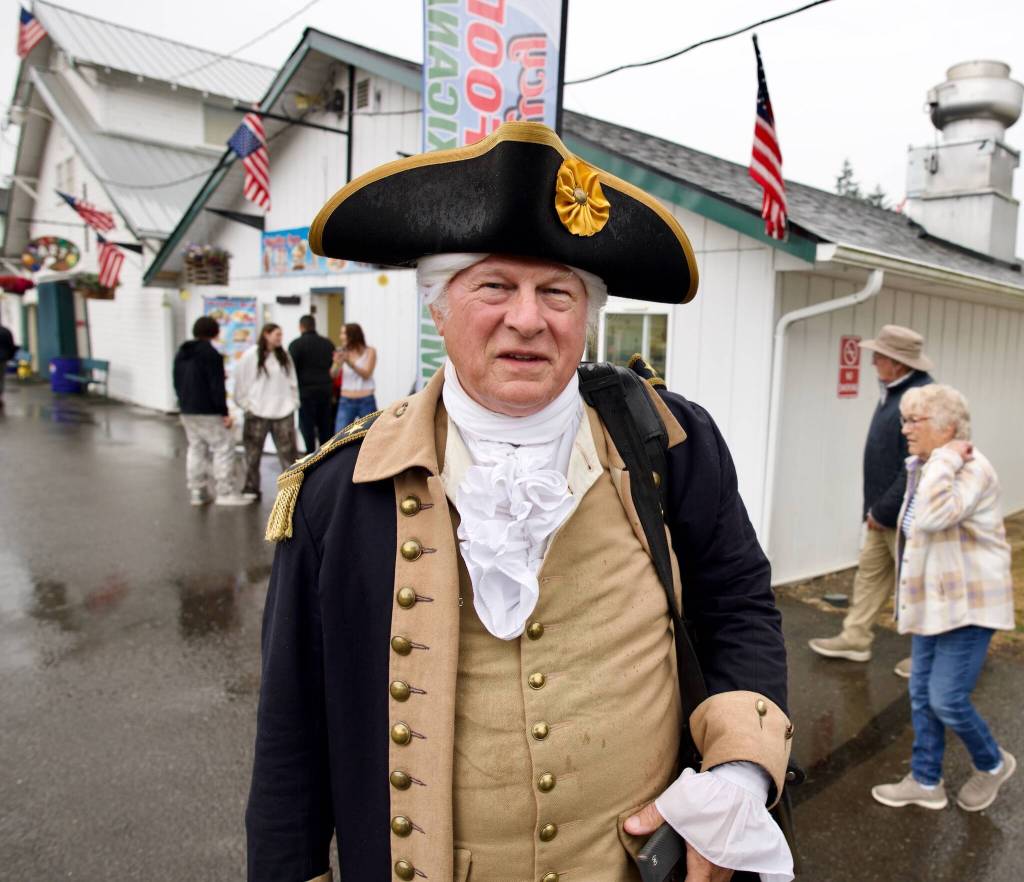
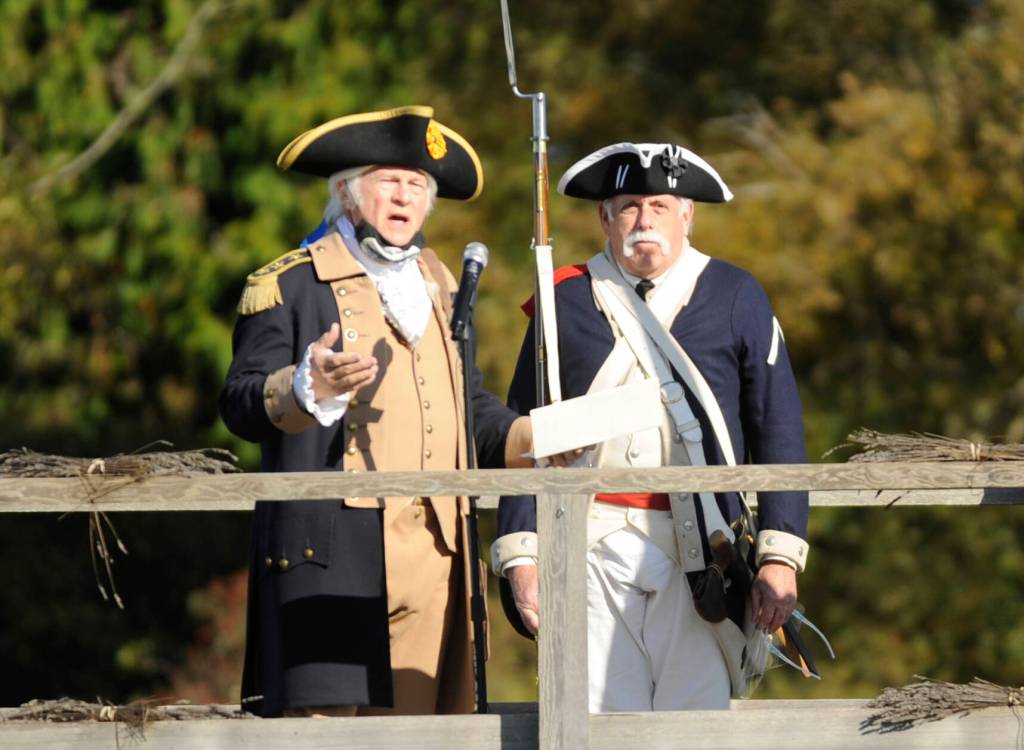
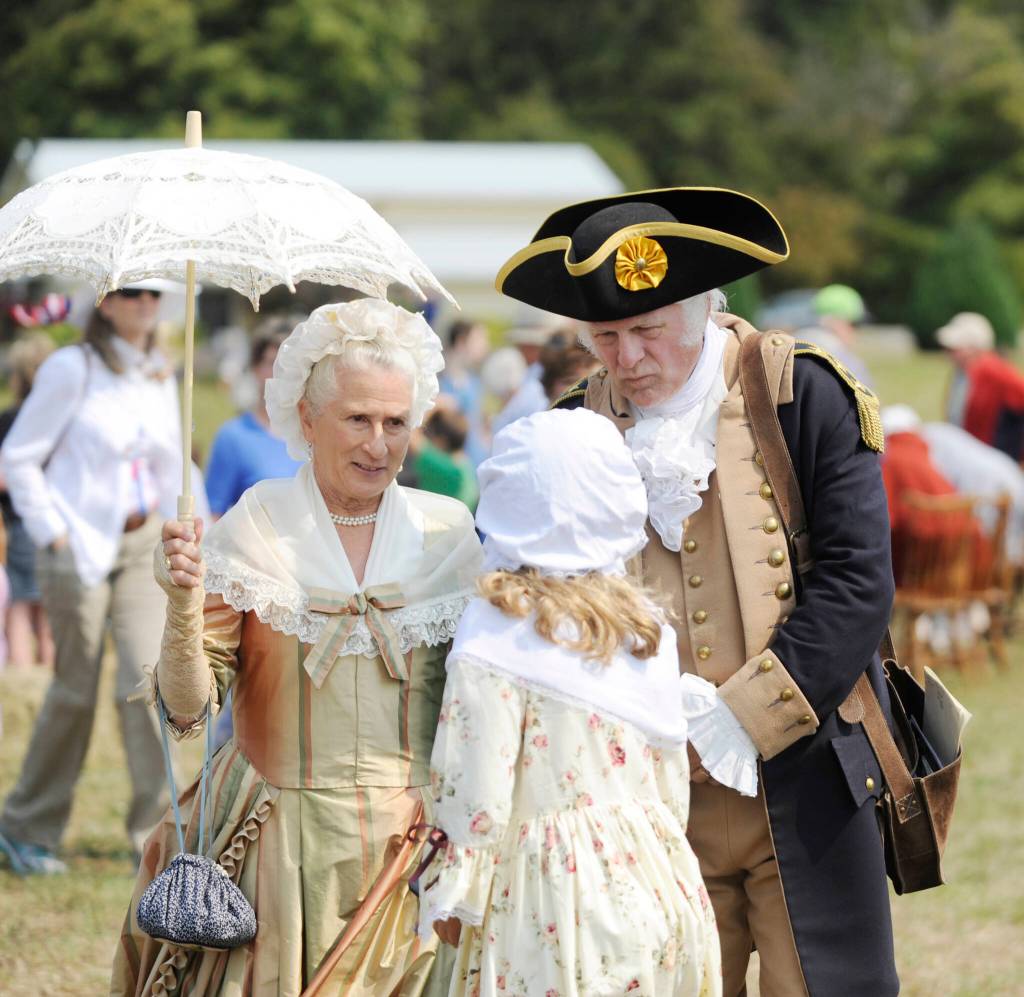




Did George Washington really chop down a cherry tree? Did he have wooden teeth? How would he feel about politics today?
Sequim’s Vern Frykholm, 77, has been asked those questions among many others in his 14 years portraying George Washington, America’s first president.
He’s appeared nationwide at Mount Rushmore in South Dakota, at many schools and colleges, and regionally at events across the Pacific Northwest. This year for America’s 250th anniversary, Frykholm scheduled 54 appearances, his most ever, including three days over Independence Day weekend in Long Beach, Ilwaco and Ocean Park, and you can meet him at the Clallam County Fair Aug. 20-23, and at the Sept. 4 opening day of the Washington State Fair.
As Washington, Frykholm has made more than 500 appearances and estimates he’s spoken to more than 26,000 people in that span. Frykholm said he tries to adjust his presentation for the setting and is always trying to get people to think. He also asks himself, “What is Vern doing George for?”
“Well, I want to educate. I want to entertain, and I want to inspire, and I’m trying to stay within historical context because I died Dec. 14, 1799,” he said.
As part of his effort in getting people to think about American history, Frykholm said he tries to set little mind traps, for example in references to modern times.
“People keep saying, ‘how do you think the president’s doing?’ And since I’ve been doing this for 14 years, there’s been several presidents, and I always say the same thing. ‘I think the president is doing a good job.’ I pause,” Frykholm said.
“Sometimes they smile, sometimes they scowl, and then they see it’s a little trap. I say, ‘President John Adams is doing as best as can be done, given the Barbary pirates and the Alien and Sedition Acts and the Quasi-War.’
“I try to stay in 1799. Whatever they ask me, I try to put it into the context of where we’re at.”
Washington’s Washington
Frykholm said he was first inspired in 2011 to portray Washington after listening to Dr. Peter Lillback talk about his book “George Washington’s Sacred Fire” at the George Washington Inn. The following summer after meeting with Dean Malissa, the foremost portrayer of Washington in the nation, he felt Washington state needed a Washington, too.
He said during a tour of Valley Forge while visiting Philadelphia in 2012, he was standing between Lillback and his editor Rolf Augustine and shared a thought.
“I said, “I’m from the state of Washington. Somebody should portray Washington in the state of Washington,’ and they look at me, and they say, ‘Well, why don’t you do it?’
He considered it at their suggestion, and later called Dan and Janet Abbott, owners of the George Washington Inn, asking them about it, and they invited him to participate in three high teas.
“And that’s how I got started,” he said. “That was it, and I had the ugliest wig you’d ever seen. It looked like it crawled out of a hole somewhere.”
People really responded to Washington, he said, and showed an interest asking questions that he didn’t know, so he did some reading.
“As I started to read, I thought, ‘man, I know nothing’ and ‘this is good stuff to know about our founding,’ and so it just kind of kept on piling on,” he said.
His appearances at the Sequim Lavender Festival and Northwest Colonial Festival led teachers to connect with him as well and he started making classroom visits too.
“When I’m portraying George, I try not to say or do anything that George would not do, which kind of limits it a little bit, but as I’m talking about George, I also want to represent to you factual data,” Frykholm said.
“So, both as George and as Vern, I try to be very, very accurate because I’m representing something way beyond Vern.
“And so, when I go into a classroom, I’ll tell you, ‘There’s no politics, there’s no denominational stuff, there’s no agenda, no tribalism.’”
In classrooms, Frykholm said he finds students resonate with learning moments, such as when Washington shares that his father died when George was 11, and his wealth went to his two older half-brothers from the first marriage, and he received a small farm that was supposed to support his mother and five children but it didn’t.
“She never remarried, so he was raised by a single mom in poverty, and his two older brothers went to England to be educated and (George) had at most 2.5 years of education. That’s it,” Frykholm said.
He presents that scenario through story and options for them to choose if they’d follow Washington’s path at age 15. Washington valued family, country and faith, he said, leading him not to pursue his ambitions.
“He could have,” Frykholm said. “He made the decision to stay with family, and that changed the course of American history.”
Tough conversations
While portraying Washington, people will ask hard questions, such as about Washington and slavery.
Frykholm said when Washington’s father died, he inherited enslaved people at a time when the world allowed it. However, as Washington aged, Frykholm said his opinion changed and while elements of that remain gray, by the end of the Revolutionary War his views had changed.
Frykholm said seeing brave Black soldiers in the war helped change Washington’s viewpoint, and he sought to lead by example writing in his will to free he and his wife Martha’s slaves upon her death.
“Now, if I was your neighbor in Sequim, would I own slaves today? No. That’s context,” Frykholm said.
“So, if you were my neighbor and owned slaves then, what would cause you to say, ‘I’m not going to own slaves anymore?’ I mean, is it just this conscience inside of you? And so, we are creatures of society and if you look at change, change theory, (it) takes forever to occur … The hardest way is to allow people to come to the realization that what they’re doing, whatever convictions, it is unjust. That’s hard, and that’s what Washington and others tried to do.”
Through his readings and conversations with historians, Frykholm said he’s stayed focused on Washington’s ambitions and he feels the president was in the forefront of thinking for the time.
Frykholm said there’s been a lot of tough conversations throughout America’s history that weren’t done before or where it was hard to find consensus.
For the Constitutional Convention, he said meetings were rough with name calling but they had to cooperate and reach consensus and compromise to have a national government.
“So, we had to do something or we would dissolve,” Frykholm said. “So really it was a necessity … We came up with our own form of government.”
Seeking amends
Through portraying Washington, Frykholm said he appreciates his philosophies, such as allowing the other person in a disagreement or altercation to make amends, which he lived through while presenting at a local meeting about 10 years ago.
A man walked in late and curtly asked him about Washington liking liquor.
Frykholm shared his explanation that he drank it due to lack of potable water, and that the alcohol had a low level of alcohol, but the man then asked him about being a ladies’ man.
“Well, I was offended both as Washington and as Vern. I didn’t expect it. It was just a visceral thing,” Frykholm said.
He told the man he was insulted and that a duel must ensue, which left a hush in the room.
“And I’ll tell you what, people’s faces just (guffawed),” Frykholm said.
But he told the man he recognized they’re not from the same place and waived the duel and went on to the next question. At the end of the meeting, the group held a raffle with Frykholm asked to draw the winning ticket, which happened to be that man.
He collected his prize and turned back to Washington and said, “I have truly learned something this morning” in a different voice than before, Frykholm said.
“Always allow the other person to make amends. It happened,” he said.
Keep discovering
Frykholm said he’s learned to appreciate Washington’s ability to step back from a situation and think before reacting. He also had a group of men he respected who had different mindsets, such as Alexander Hamilton and Thomas Jefferson, and he would consult with them.
“They were the best, and he wanted to know both sides,” he said.
“He interrelated with people, and he’d always seek the best for the person that he was talking to. So, if you were a junior officer and had done something really, really stupid, but he knew that you had good potential and this was not malfeasance, he would give you the benefit of the doubt.”
Frykholm said studying Washington has reinforced that people must have high standards for themselves, be honest, have integrity, courage, valor, be fair, and also have virtue.
Through his 14 years, he’s had many memorable interactions, such as interviews with other portrayers that he filmed and put on his website GeorgeWashingtonSpeaks.com.
With the huge workload this year, Frykholm said he’s taking a step back in 2027 while still doing some events but opting to shut down the nonprofit George Washington Speaks due to time commitments and priorities in his life.
Frykholm said he’s retired a few times but he’s spending upwards of 40 hours a week portraying the president, while working about 20 hours a month at All Safe Mini Storage, which he co-owns with friend Tom Schaafsma.
His website will remain up with resources for teachers and the public, and more content still to come, he said.
For more about Frykholm and George Washington Speaks, visit GeorgeWashingtonSpeaks.com.



Best of Olympic Peninsula