Peak performance: Former Sequim resident scales North America’s tallest mountain
Published 4:30 am Wednesday, July 15, 2026
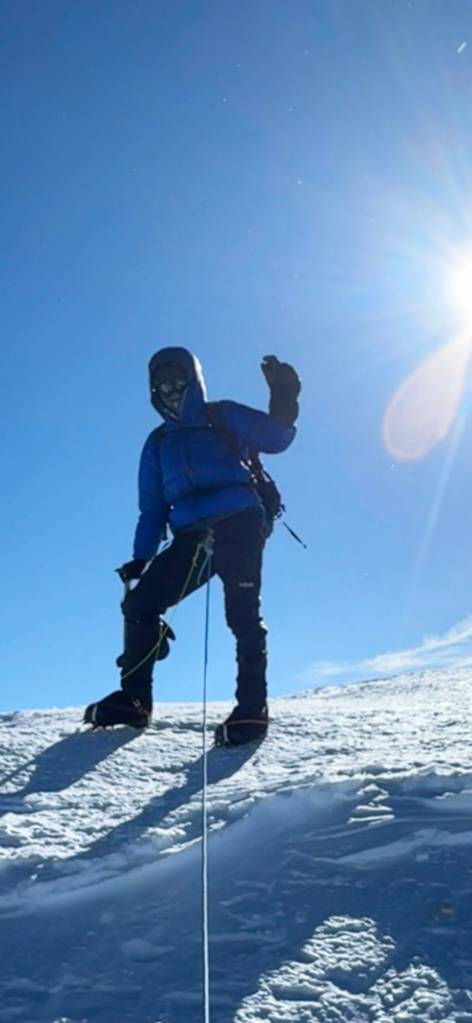
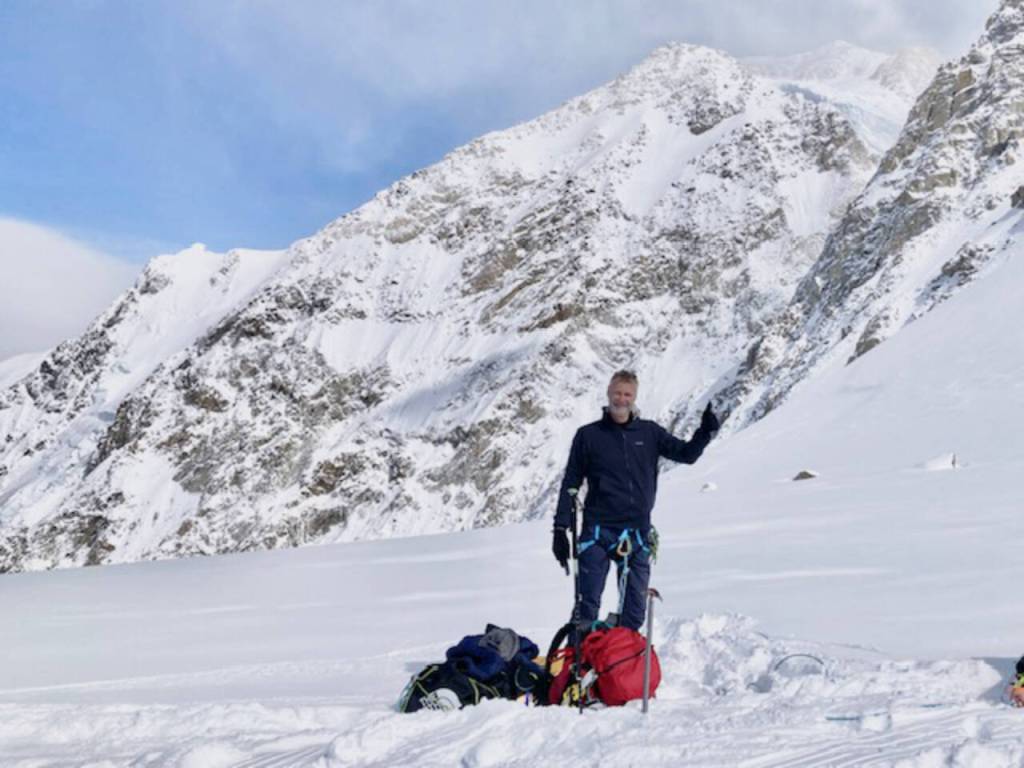
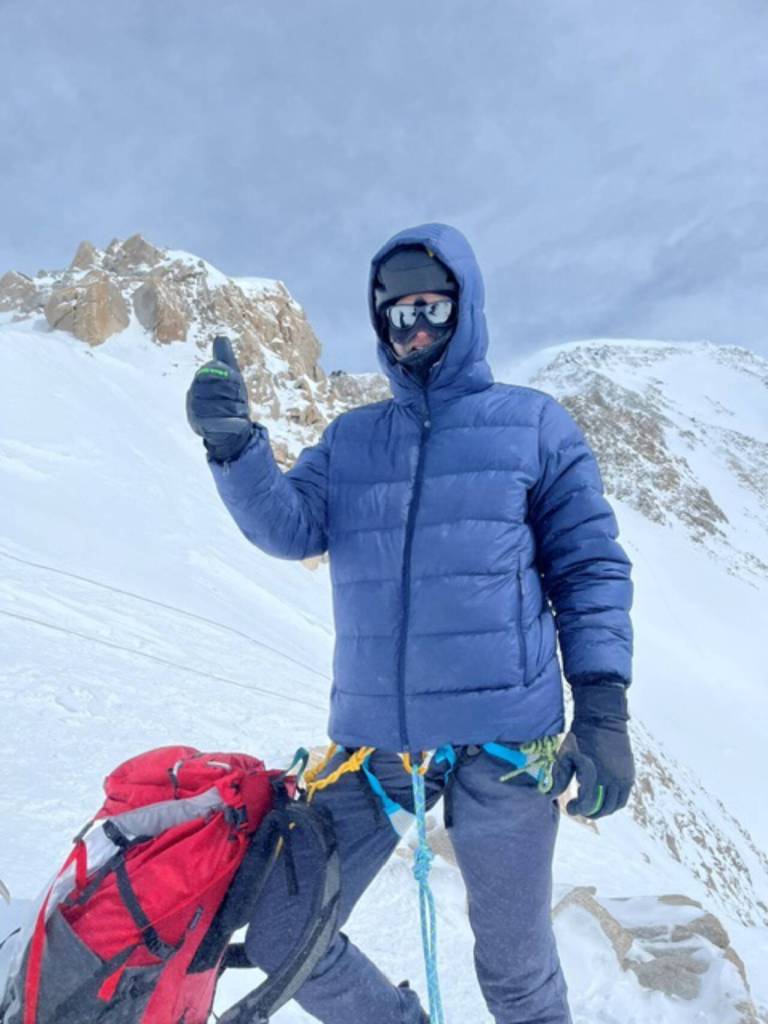
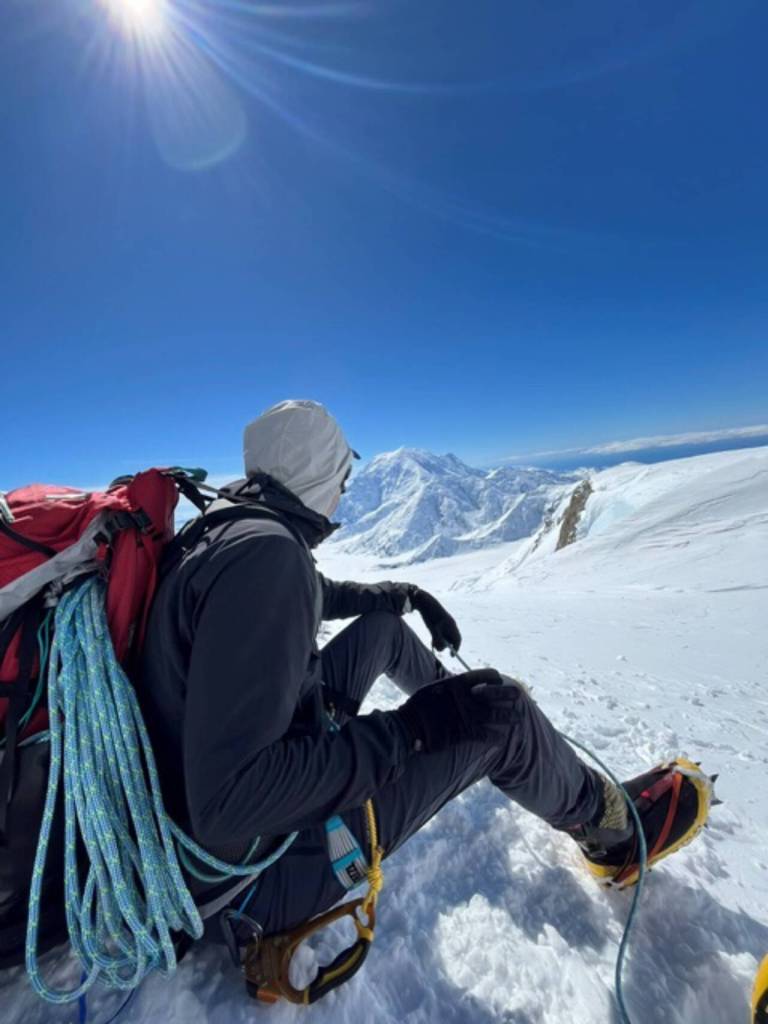
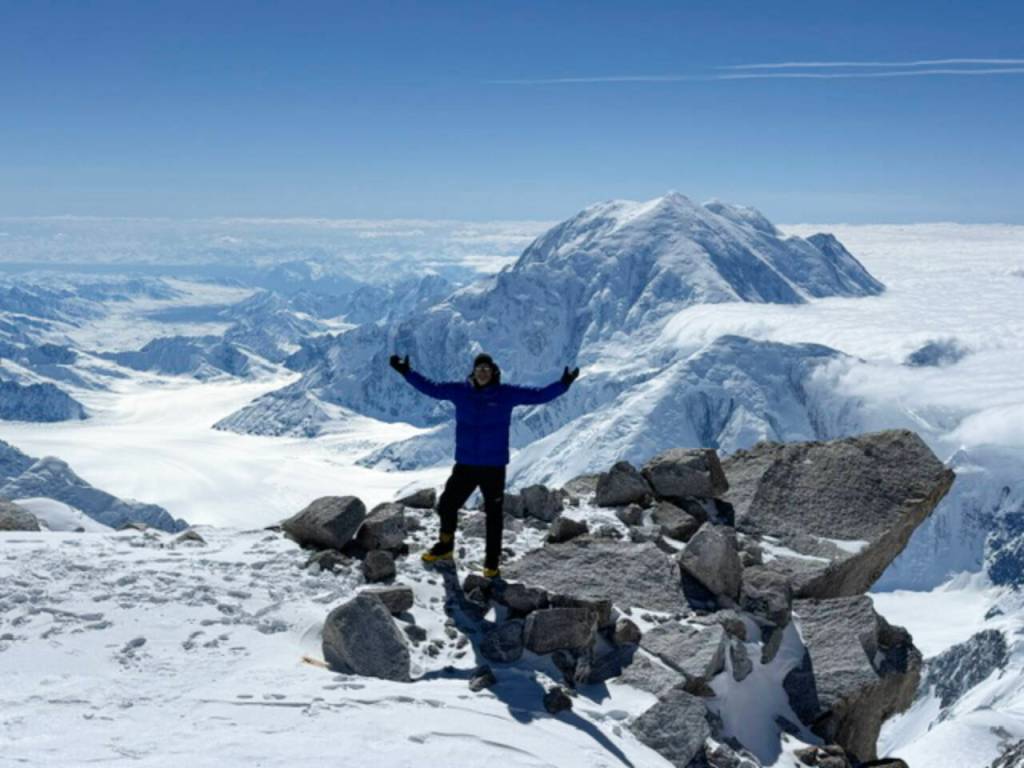
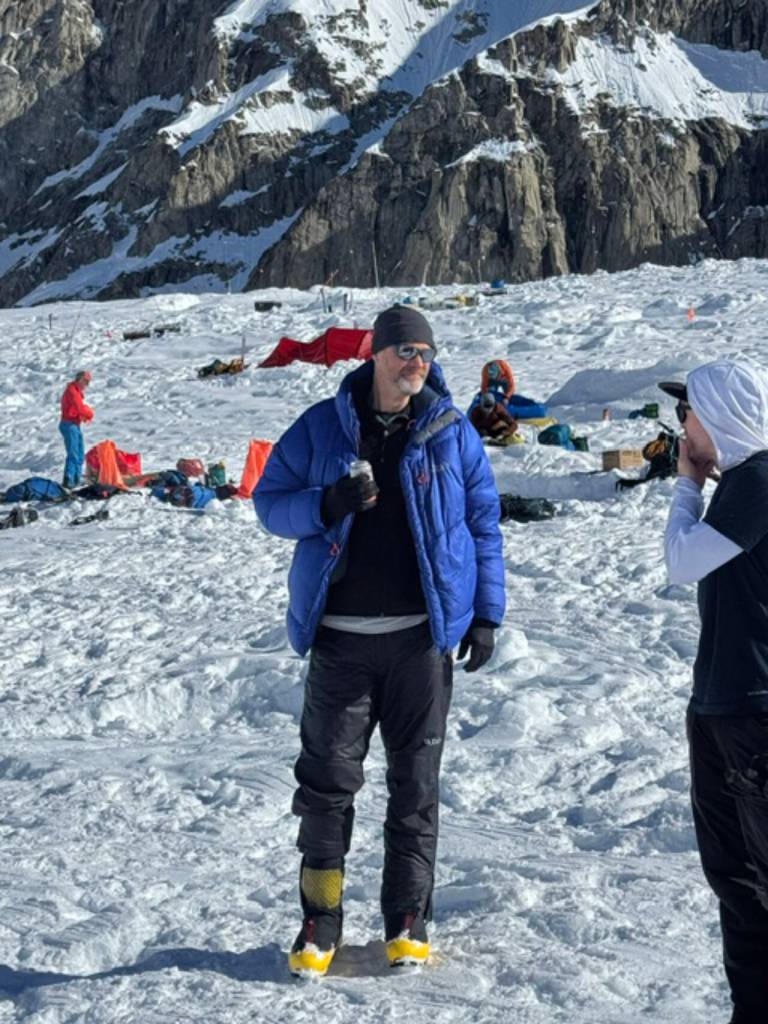
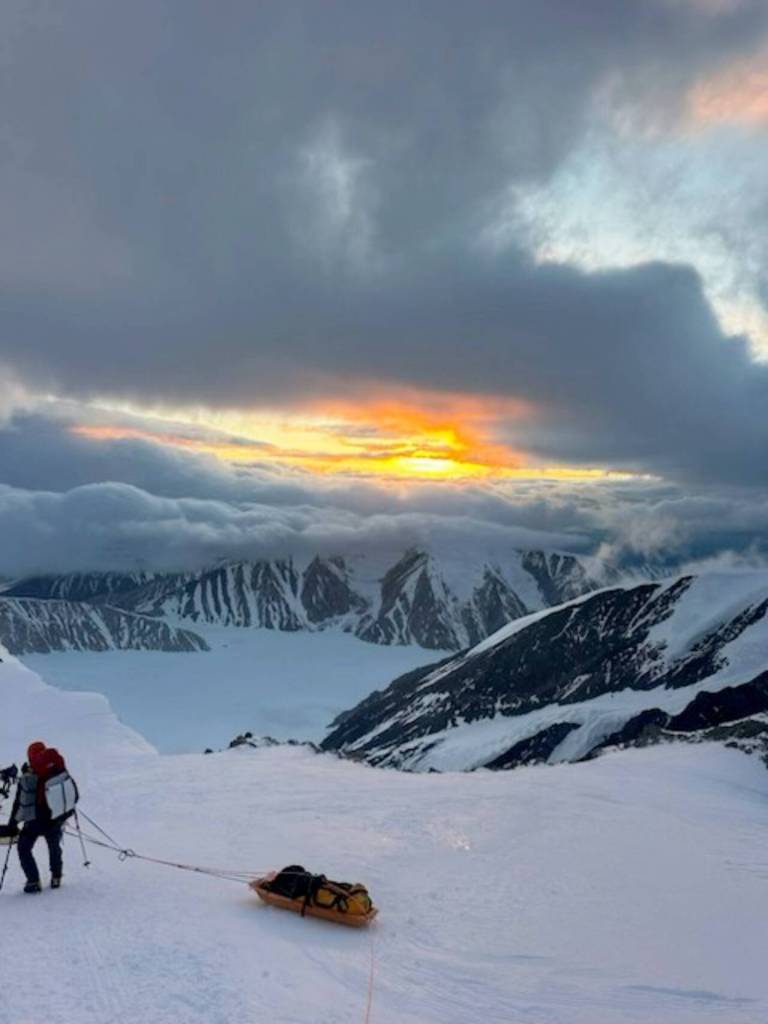
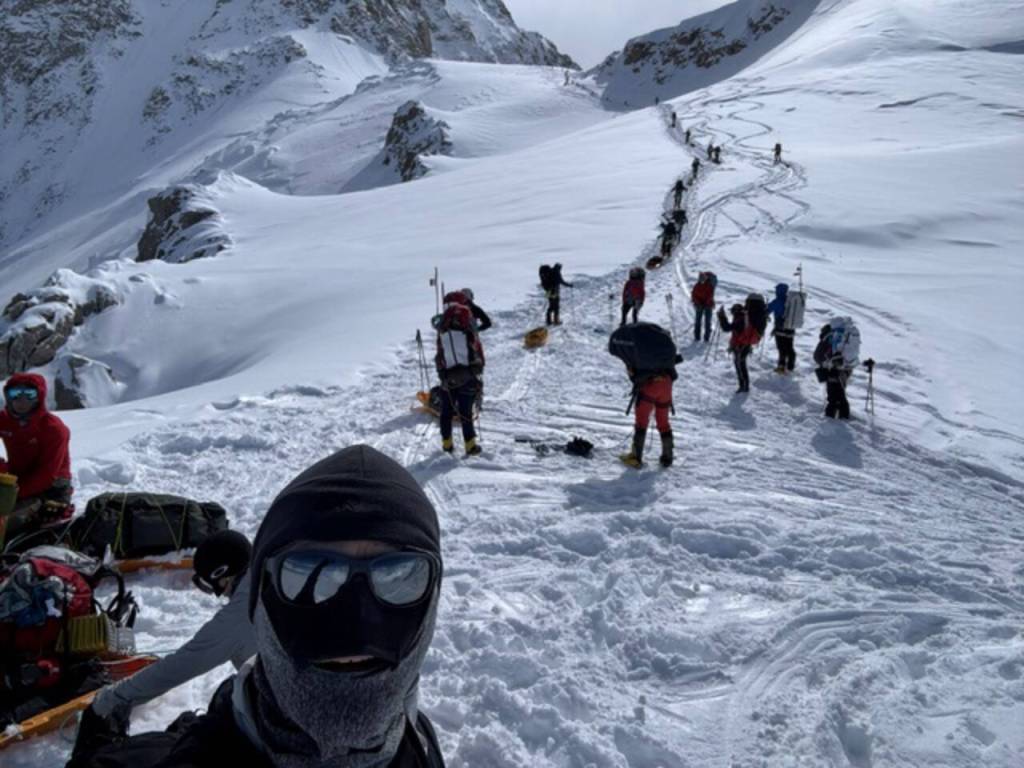
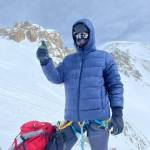
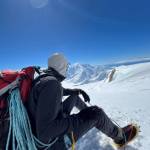
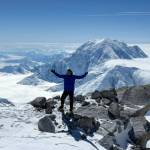
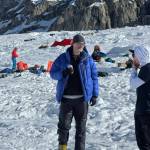

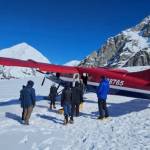
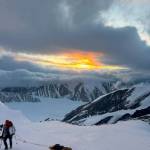
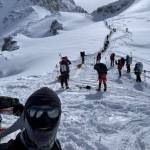
When Paul Balkan stepped onto the summit of Alaska’s Denali on June 5 in minus 45 degrees with windchill, he was standing at the highest point in North America — 20,310 feet above sea level. It marked the Iron Man competitor’s greatest athletic achievement, and the culmination of a dream that traced back to his roots growing up in Sequim.
“I started backpacking and scrambling up peaks in the Olympics growing up in Sequim, moved on to climbing all the tall peaks in the Cascades, and always had Denali on my to-do list which I finally did,” Balkan said.
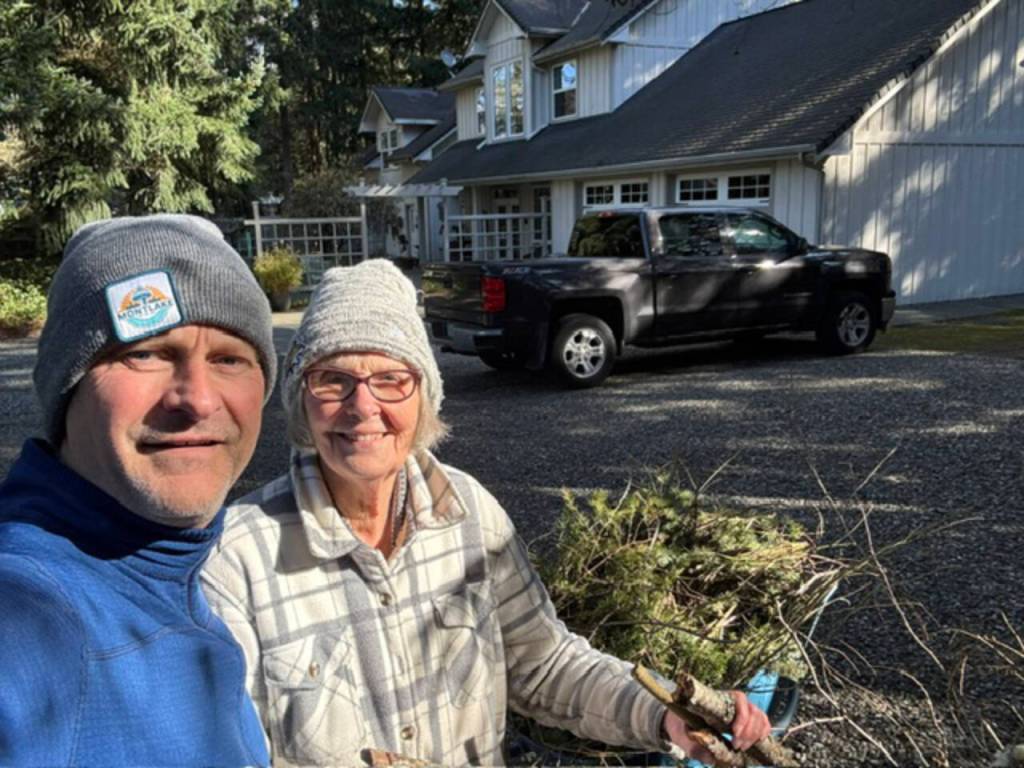
Now 56, Balkan lives in West Seattle, but he returns to Sequim often to visit his mother, Linnea Balkan, a former nurse. His father Mike owned and operated Evergreen Electric in Sequim until his death in 2008.
Balkan attended Sequim Seventh-day Adventist School through eighth grade, then transferred to Sequim High School, where he played basketball and tennis before graduating in 1987. He went on to the University of Washington for his undergraduate degree and then to Cornell Law School.
“I’ve been practicing law for 30 years focused on intellectual property and technology transactions,” he said.
He married along the way. He and his wife Kelly have five children, all of whom are grown now.
“In my early 20s I started doing some more serious climbing — Mount Baker, Mount Rainier, Mount Hood, Mount Adams, Mount Whitney down in California,” Balkan recounted. “The next big step for me was always going to be to go climb Denali, because that’s sort of the ultimate objective if you’re climbing in North America.”
But life intervened. There was a career to build and children to raise.
“I sort of went on that detour for 20-some years,” he said.
It was his wife who finally nudged him off the fence. He had been talking about that dream for decades, she said, and, well, he wasn’t getting any younger. This might be his window of opportunity.
“I took that as motivation to get back into some mountaineering, and then go ahead and do this big trip, which I did this last May,” Balkan told the Sequim Gazette.
A brutal challenge
Balkan was already an accomplished endurance athlete.
“I’ve done six Ironman triathlons in my life,” he said. “I finished my last one in September of 2025 and I did quite well. I was in very, very good physical condition.”
That race became his springboard into Denali training.
“I turned 56 in February, and so I sort of trained after that pretty seriously,” he said.
Even so, Denali’s reputation is formidable.
“Denali is physically one of the most demanding of the Seven Summits,” he said. “There’s nobody carrying your gear. You have to be totally self-sufficient.”
To prepare, he took a refresher course with American Alpine Institute in Bellingham, focused on crevasse rescue and glacier travel, and then returned to independent climbing.
Unlike his previous climbs of Rainier and other peaks, he chose to go guided on Denali.
“For this climb, that’s a serious enough climb with the consequences being quite high if you get caught in bad weather or on severe exposed slopes,” he said.
His group ultimately included nine clients and three guides.
A 20-day adventure
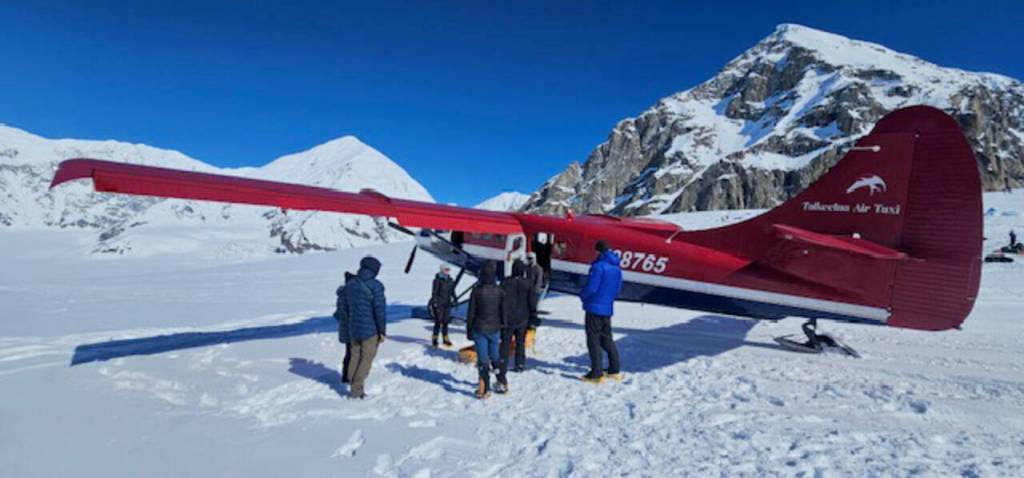
The expedition was 20 days from start to finish, covering roughly 35 miles round trip. A ski plane dropped the team at 7,200 feet at the base of the Kahiltna Glacier, from which they worked their way up to the 20,310‑foot summit.
“All glacier travel was on a rope team,” Balkan said. “Each person had to carry approximately 150 pounds of gear each — pulling a sled and carrying a pack.”
They used a system of caching gear to gradually move loads up the mountain.
“You haul half of it a few thousand feet up the mountain, you dig a hole, you bury it, you go back down and get the other half, haul it back up, set up camp, then go back down to your cache,” he explained. “It helps you acclimate and keeps your gear from blowing away.”
The practice is also required by park rules to avoid littering the mountain with loose equipment.
At 14,200 feet, they left their sleds and a large portion of their supplies. From there, they carried lighter packs to High Camp at 17,300 feet and above.
“It is very physically demanding, and it’s day after day after day,” he said.
Despite starting the climb “very fit, pretty lean” at about 215 pounds on his 6-foot-5 frame, Balkan came back 15 pounds lighter.
“I lost 15 pounds in 20 days, and I didn’t have a whole lot of weight to lose,” he said. “Your body’s cold all the time, you’re adjusting to the elevation… and you’re carrying gear all the time.”
Denali’s climbing season typically runs only about 60 days in May and June, when there is 24-hour daylight but still severe cold. Fatalities are not uncommon.
“It’s not unusual to have maybe one or two fatalities on that route,” Balkan said. “This season… was particularly challenging.”
During the almost three weeks his team spent on the mountain, there were five deaths.
“Unfortunately, there was an Eastern European climbing group. There were four climbers — all four fell off the Denali Pass on a stretch called the Autobahn,” Balkan said. “Three of them unfortunately passed away in that fall. And then there was a climbing ranger who actually fell into a crevasse and died while we were up there. And then there was another person who had some sort of a medical event.”
Because helicopters cannot land above 14,000 feet, the team found themselves moving through recovery zones shortly after the accidents.
“We were literally on the route two days following the accidents,” he said. “There’s a helicopter with a 200‑foot long cable with a basket, and they’re trying to retrieve the folks who’d passed away.”
He added soberly, “It kind of reminded you that it’s a dangerous place.”
Above 17,000 feet, simply breathing became work.
“You kind of have to pressure breathe the whole time, at least I did, just in order to keep my breath, to be able to keep moving,” he said.
While Balkan avoided serious altitude sickness, he experienced the strange nighttime choking sensation that often accompanies high-altitude sleep.
“You literally feel like you’re choking because your body is breathing its normal cadence, which would be my normal cadence at sea level,” he said. “You wake up in a panic… then you calm yourself down and go back to sleep.”
Food for the climb was chosen more for calories than for variety — cheese, butter, pasta and other high‑fat items up to 14,000 feet, then lightweight dehydrated meals above that, plus energy bars and treats like Pringles.
Personal hygiene was limited to body wipes and the occasional “snow bath.”
“Personal hygiene is unsatisfactory if you’re comparing it to how we normally live our lives,” Balkan said with a laugh.
Long way down
The descent brought its own challenges.
“Pulling a sled and carrying a pack on the way up is much easier than pulling a heavy sled on the way down, because the sleds kind of want to run out from you,” Balkan explained.
Still, the weather on the way down was some of the best of the entire trip, and the team made it safely back to the glacier airstrip and then to Talkeetna.
Back in town, even modest comforts felt luxurious.
“The local hotels are probably like a one- to two-star level, but boy, it felt like a five-star resort when I got back,” he said. “It was so great to get back to hot water and any sort of a bed.”
He was surprised by how depleted he felt after returning home.
“I thought I was going to be in such great shape when I got off this mountain,” he said. “But I was actually quite fatigued. It’s been almost a month now, and I’m just starting to feel fully better.”
Denali: Done
After all these years, Balkan has finally marked climbing Denali off his bucket list.
“I have no regrets at all,” he said of the experience. “It was a great adventure. And I got to the top, so I can’t complain. I got a little bit of frostbite on my nose, but it’s healed up nicely.”
That said, once was enough where conquering Denali is concerned.
“I will certainly climb more mountains, but I do not think, as I sit here right now, that I will do anything to this magnitude again,” Balkan said.
“This was on the to-do list — the ‘do before you’re out of time’ list — and I’ve checked it off.”


Best of Olympic Peninsula