Get It Growing: Plan before you can
Published 2:30 am Wednesday, September 7, 2016
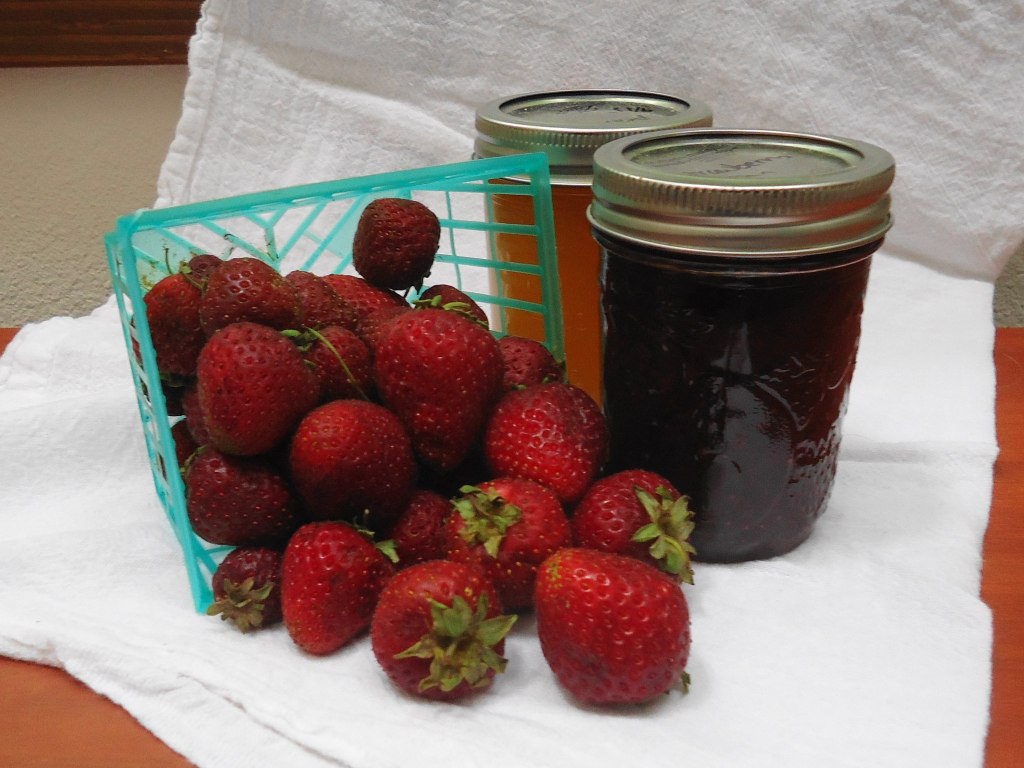
Do memories of home-preserved food excite your taste buds? Were you lucky enough to enjoy frozen peaches, dried apples or canned tomatoes as a child? How about jams and jellies?
Several decades ago, mothers and grandmothers preserved foods for use by the family all year long. Now we are a fast food society and home food preservation has become less common.
On the peninsula, however, there is a growing movement to support “slow food,” “local sustainability” and “assured quality.” To join the movement, you only need to choose a method of preserving the local harvest, or better yet, the fruits and vegetables from your own garden.
Whereas years ago people preserved food primarily to save money and make it through the winter, many people today are more concerned about food quality. Some believe that home-canned food is more nutritious than commercially preserved food.
One thing is certain, if you are preserving your own food, you will know what is in it! In addition, food preservation offers gardeners a convenient way of dealing with the “all-at-once” harvest that occurs with many food crops and is an excellent way to share one’s bounty with others. So, what to do?
Pressure-canning, water bath-canning, freezing, drying, jellying and pickling are all methods of preserving food. Each method has its own specific equipment and supplies. Regardless of the method, however, you always should:
• Use the freshest fruits and vegetables available.
• Carefully wash all produce before preserving it.
• Sterilize your equipment and supplies.
Because serious illness can result when proper food preservation procedures are not followed, it is critical that you understand the steps involved and the pros and cons of the various methods. If canning, only use recipes that have been tested for safety and carefully follow the instructions.
At the end of this article is a list of resources where you can find “how-to” information on various methods of preserving food. Take the time to read through each process and then decide on those that interest you most.
Most people use more than one method of preservation because some foods are better suited to water bath-canning, others are more suited to freezing and others are best when dried. For example, basil retains its fresh taste better when frozen rather than dried. Using one method over another also can be a matter of intended use of the preserved food and personal taste.
Do some research to determine if there are specific varieties of fruits or vegetables more suited to preservation. For example, a pickling cucumber stays much crisper when pickled than a salad-style cucumber that typically becomes soft or mushy.
Everyone has an idea of the perfect home-canned treat. So whether your goal is to make a scrumptiously crunchy dill pickle, a zesty tomato salsa or a sweet spicy apple butter, do your homework and “Plan before you can.”
Pearl of wisdom
Botulism is a serious illness caused by a bacterium that can survive, grow and produce its deadly neurotoxin in a sealed jar of food if not prepared properly. To prevent botulism, always use a pressure canner when canning low-acid vegetables (like green beans, potatoes and corn), meat, fish and poultry; boiling water canners will not protect against botulism poisoning.
Get involved
On Saturday, Sept. 10, from 10 a.m.-2 p.m., Clallam County Master Gardeners host a festival at the Demonstration Garden at 2711 Woodcock Road, Sequim. The garden festival is free and open to the public and includes a variety of short educational presentations and tours through the garden. For more information, call Lorrie at 565-2679.
Judy English is a certified WSU Clallam County Master Gardener.



Best of Olympic Peninsula