State law officers see increase in marijuana-using drivers
Published 12:00 pm Wednesday, August 26, 2015
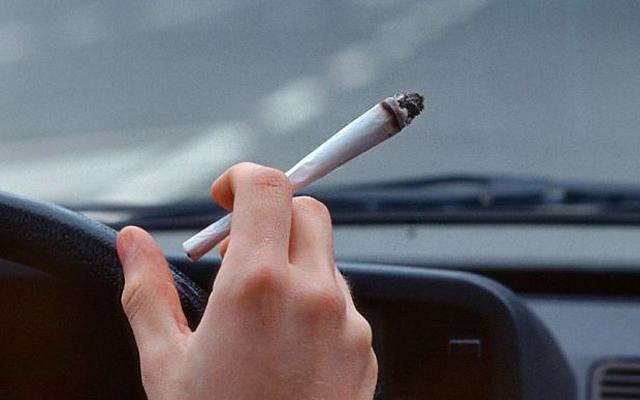
Newly released data from the Washington Traffic Safety Commission shows that marijuana is increasing as a factor in deadly crashes.
The number of drivers involved in deadly crashes who tested positive for marijuana increased 48 percent from 2013-2014.
“We have seen marijuana involvement in fatal crashes remain steady over the years and then it just spiked in 2014,” said Dr. Staci Hoff, the commission’s data and research director.
That is why the Washington Traffic Safety Commission participates in the “National Drive Sober or Get Pulled Over” campaign. Through Labor Day, the commission is letting the public know that extra officers will be out across the state at times and locations where DUI is a problem.
“It is our hope that by publicizing these extra patrols more people will plan ahead if they will be drinking or using marijuana,” commission director Darrin Grondel said. “Don’t risk getting arrested for a DUI or causing a life-changing tragedy. Designate a sober, drug-free driver.”
In Clallam County, the Port Angeles and Sequim Police departments, the Clallam County Sheriff’s Office and the Washington State Patrol will be teaming up and participating in the extra patrols, with the support of the Clallam County DUI Target Zero Task Force.
All of these extra patrols are part of Target Zero—striving to end traffic deaths and serious injuries in Washington by 2030. For more information, visit www.targetzero.com.
From 2008-2014, more than 1,100 people died in impaired collisions in Washington. Impaired driving is involved in nearly half of all traffic deaths and more than 20 percent of serious injury collisions. The highest percentage of these deaths occurs during the summer months.
Pot problems
From 2010-2014, nearly 60 percent of drivers involved in fatal collisions were tested for drugs, according to the Washington Traffic Safety Commission. Among these tested drivers, about 20 percent (349 drivers) were positive for marijuana.
However, just testing positive for marijuana doesn’t necessarily indicate if a driver was actually affected by the drug at the time of the crash since marijuana can be detected in a person’s blood for days (possibly weeks) after a person uses the drug. This new data is able to distinguish between drivers who test positive for THC, the impairing substance in marijuana, and those who have residual marijuana in their system from prior use.



Best of Olympic Peninsula