Get It Growing: To do, to don’t list for early-season gardening
Published 1:30 am Wednesday, March 4, 2020


Hello Spring!
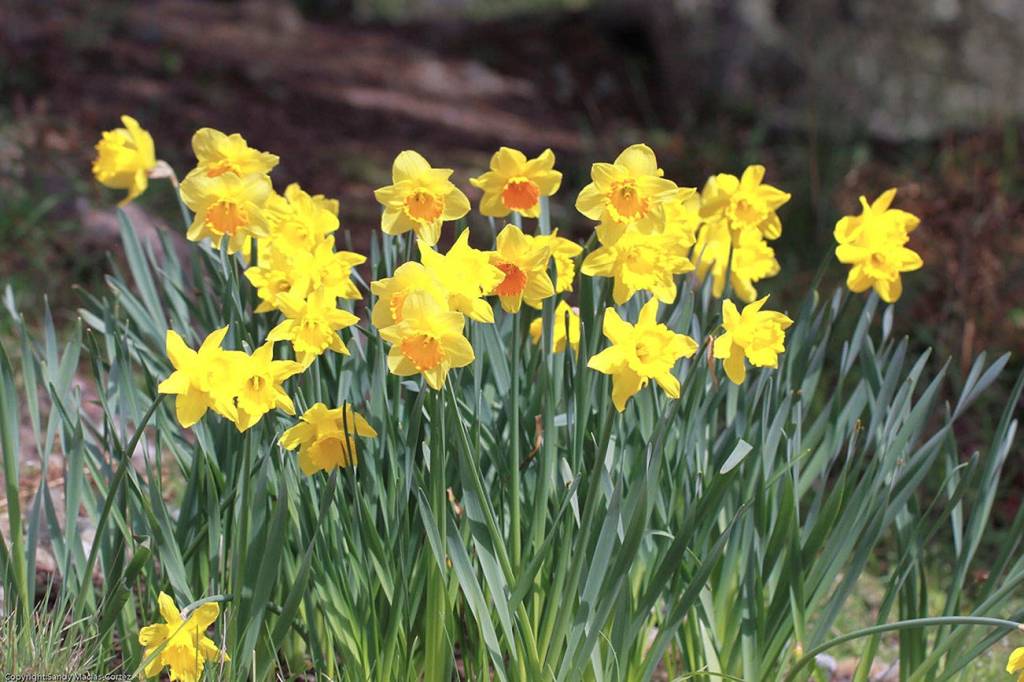
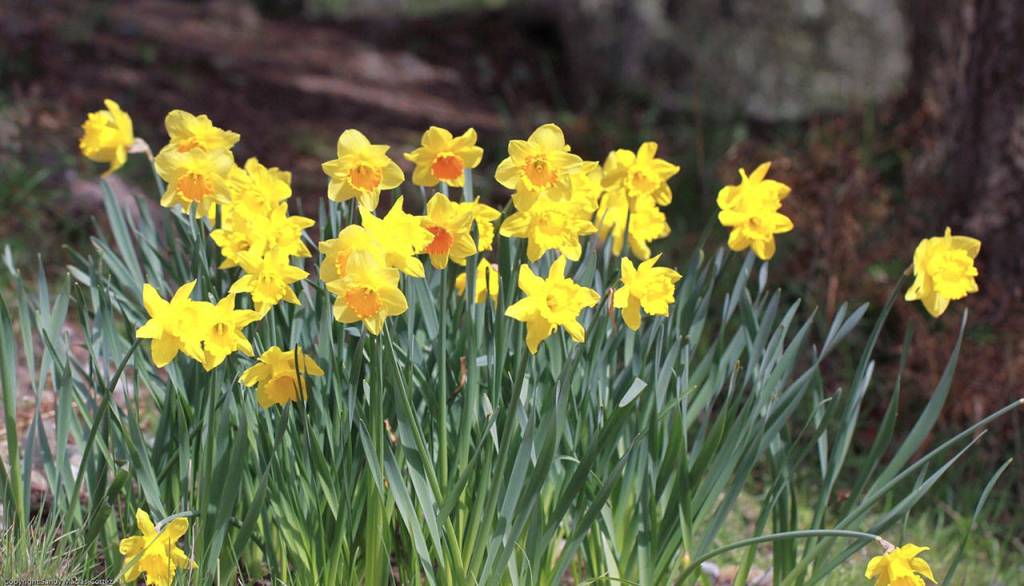
While the official start of spring is still a few weeks away, the Clallam County Master Gardener column “Get it Growing” just can’t wait! The column will run weekly from March through October, with the first article of each month presenting a few timely gardening topics or activities.
The last article of the month will focus on a topic related to the Woodcock Master Gardener Demonstration Garden — a beautiful, 2.5-acre garden at 2711 Woodcock Road in Sequim that’s open year-round to the public. It’s a treasure that the Master Gardeners hope everyone will visit and enjoy.
Other articles will include a myriad of topics, many linked to other Master Gardener or local educational opportunities, all intended to stir the mind of the curious gardener.
To do … or not to do
March can be a contrary month so let’s start the March “to do” list with a “don’t do” list.
Don’t dig in your garden areas until the soil is dry enough to be worked. Doing so will damage the soil structure which leads to poor aeration and drainage.
To test, take a handful of soil and squeeze it in a ball. If it falls apart when touched it is ready, if it stays in a ball it is not.
Don’t let the weeds in your garden bloom and go to seed. Pull or at least top the weeds to avoid the seeds spreading. Once weeded, temporarily cover the area with a dark porous barrier, or cardboard, to greatly reduce new weed growth until you are ready to plant.
Don’t — or try not to — disturb the soil of an area where you do not plan on amending the soil (digging in compost or other soil builders). Doing so will bring dormant weed seed to the surface and can disturb many beneficial organisms that help improve the soil.
Don’t forget to carefully inspect your plants looking for signs of winter damage from wind, snow and animals. March is a good time to prune out obviously dead or broken branches. Look for signs of animal damage, especially rodents and make sure mulch is several inches away from the trunk or base of the plant.
Don’t give up on heavily damaged plants. Hold off on fertilizer until they start to successfully bud out. These plants will need time to recover. Treat them as if newly planted and give supplemental water for the year.
Don’t pass up good deals on bare-root plants or summer bulbs that have been handled properly. If the roots have been kept cool and moist, there is still time to plant. Bare-root trees are easier to plant and an economical way to purchase plants.
Coming up
Lastly, don’t forget to mark your calendar for the 22nd-annual Soroptimist Gala Garden Show taking place Saturday and Sunday, March 21-22, at the Sequim Boys and Girls Club, 400 W. Fir St. It’s a wonderful event to get excited about spring and to surround yourself with plants, garden art and more. Master Gardeners will have an information booth and are pleased to offer speakers both days.
For more information about the show or speakers, go to sequimgardenshow.com.
Next week will be a look at the very pesky fungus gnat. In small numbers they are irritating but don’t cause serious damage. However, if they become an infestation they can damage seedlings and it’s time to learn more.
Susan Kalmar has been a Master Gardener since 2017.