Sequim farmer back in the saddle after life-changing transplant
Published 1:30 am Wednesday, March 25, 2026
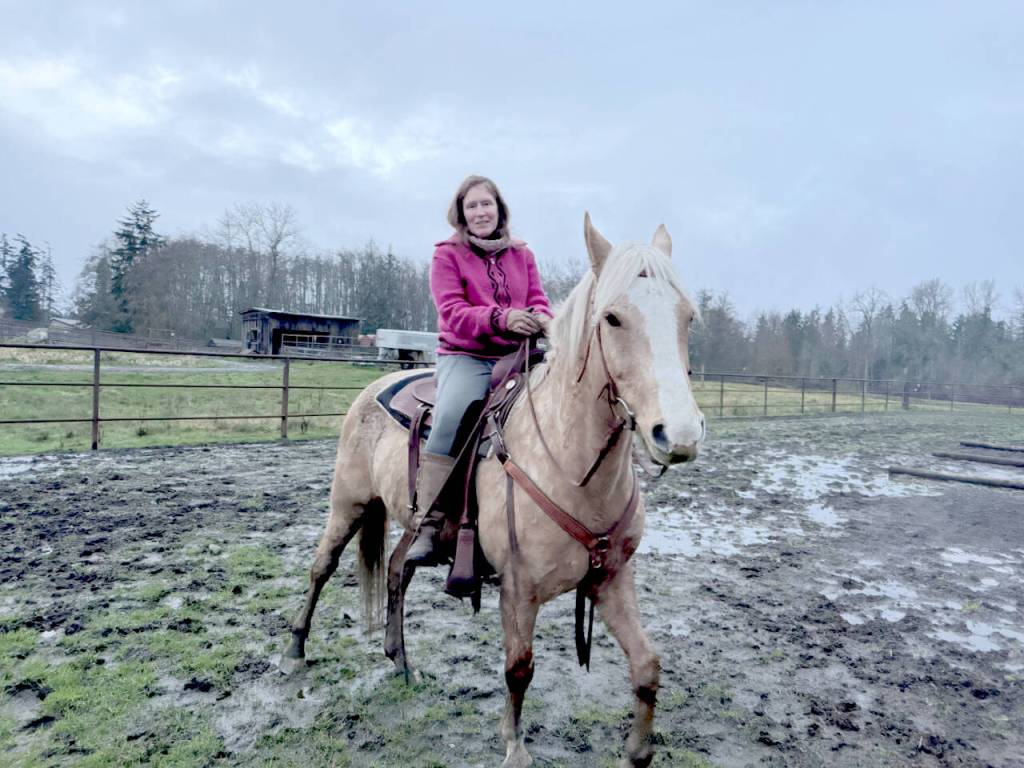
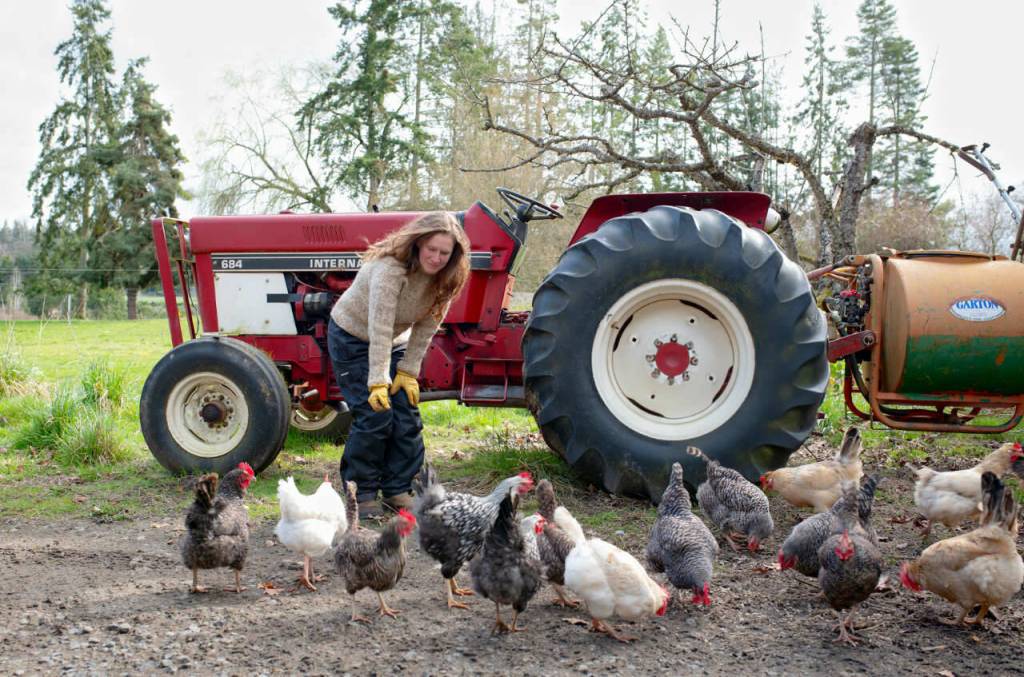
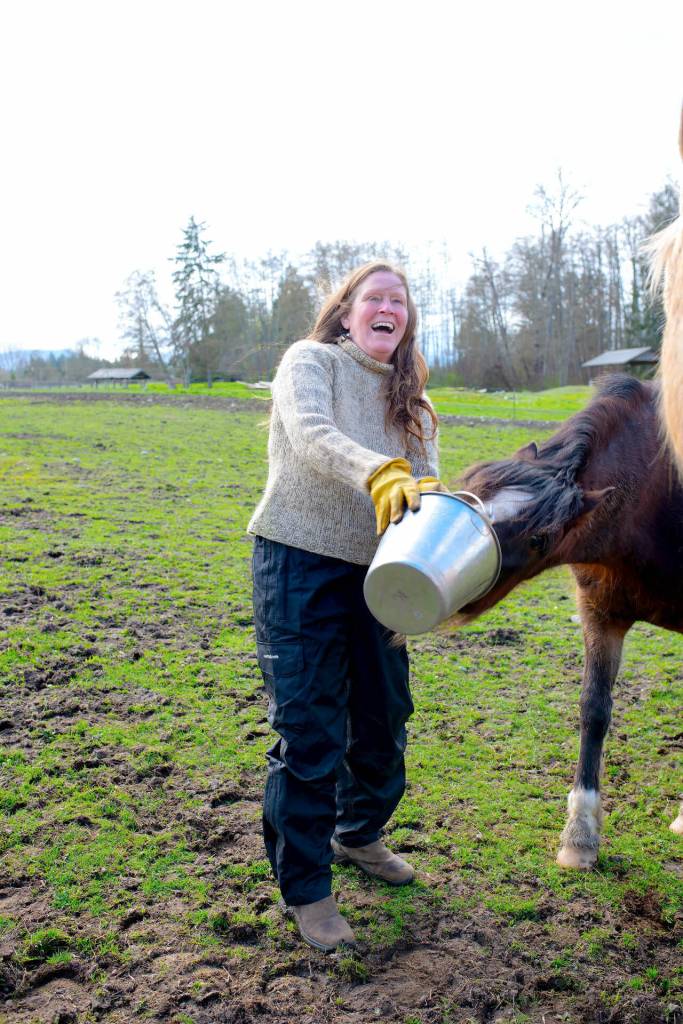
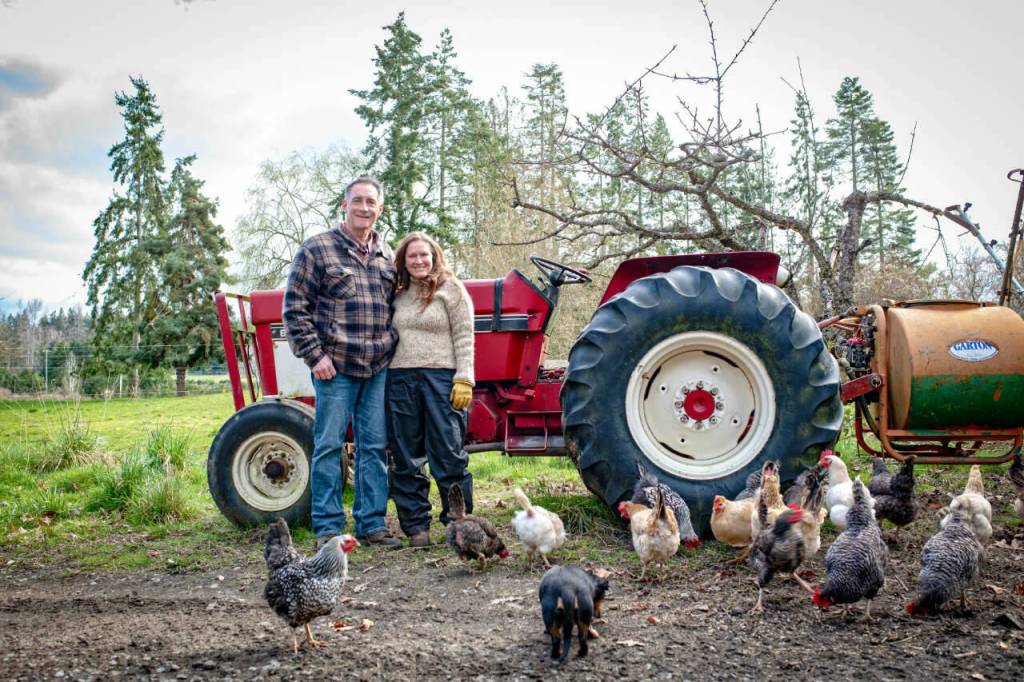

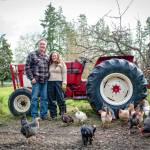
Gabriele Ellis is rooted in Clallam County soil, her ancestors having been pioneers in the area. Today, she tends that same land alongside her partner, Steffan Sherman, caring for a herd of Welsh Cob horses and raising livestock at Sherman Farm on Atterbury Road.
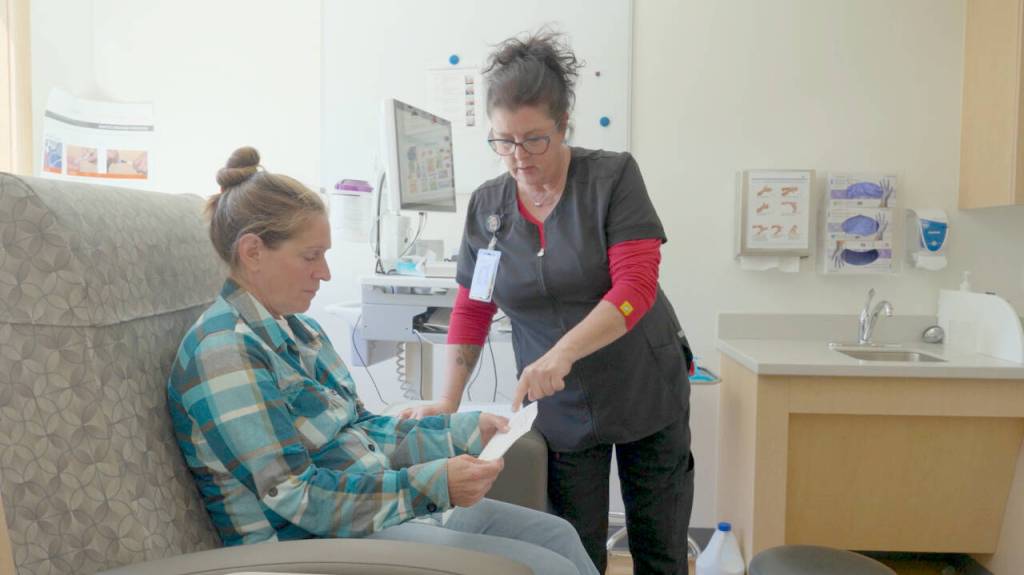
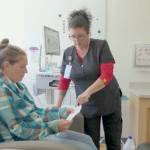
But her life hasn’t been all about farm life and bucolic settings against a backdrop of the majestic Olympic mountains. There were times when her view — for hours at a time, multiple days a week — were of the inside of Northwest Kidney Centers’ offices in Port Angeles and of the dialysis equipment that she was forced to rely on.
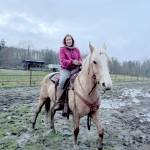
Life for Ellis is better now, but the months of March and April hold significant meaning. March is National Kidney Month, and April is Donate Life Month, a time to highlight the importance of organ, eye and tissue donation. Thanks to an adolescent unknown to Ellis who tragically lost their life, Ellis has hers once again. A kidney transplant five months ago has her back on her farm — and literally back in the saddle. Her new lease on life has enabled her to enjoy horseback riding again.
Ellis, who turns 59 this year, has lived most of her life with polycystic kidney disease (PKD), a hereditary condition that slowly fills the kidneys with cysts until they can no longer function.
“It’s something I’ve known about since I was young,” she said. “My grandmother had it. My mom had it. So it was always there in the background.”
Ellis’ mother was part of early genetic testing research at the University of Washington, where doctors were still trying to understand how the disease was passed down. At the time, the odds were believed to be 50-50.
Ellis learned for certain that she had inherited PKD in her mid-20s, when she was pregnant with her son.
“It was very scary,” she said. “But when you’re that young, it feels so far away. You just kind of put it in the back of your mind.”
For decades, she did just that.
Unlike many illnesses, PKD often progresses silently. Ellis experienced no symptoms for more than 25 years. It wasn’t until her mid-50s that the disease began to assert itself, first through fatigue and a general sense of not feeling well.
“You don’t feel anything until your kidneys are so full of cysts they can’t filter anymore,” she said.
As her kidney function declined, Ellis began regular monitoring with a nephrologist. Blood tests measuring her glomerular filtration rate, or GFR, tracked the steady loss of function. Once her GFR dropped below 20, she became eligible for the transplant list. At 15, dialysis became unavoidable.
“There’s just no energy,” she said of what it felt like as the disease worsened. “And then there are things like itchy skin and that burning feeling from toxins in your blood. It can feel like your skin is on fire.”
Ellis initially underwent hemodialysis, a grueling process that required her to drive to Port Angeles multiple times a week for treatments that lasted hours. Hemodialysis patients typically undergo treatment three times a week, with each treatment spanning about four hours.
“It’s overwhelming,” she said. “You’re already not feeling good, and then you’re faced with this huge commitment. And the needles are intimidating — they’re big.”
With guidance from staff, Ellis explored peritoneal dialysis, a home-based treatment that uses the lining of the abdomen to filter blood. After surgery and training, Ellis transitioned to managing her dialysis at home. That shift, she said, was life-changing.
“Within a week, I felt better,” she said. “It gave me independence. I could be at home, be on the farm, and feel more in control.”
New lease on life
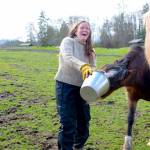
The fact that Ellis was able to return to her work on the farm was part of that feeling that she was back in control of her life. With dozens of horses as well as cattle and pigs needing to be cared for, Steffan needed help. The couple focuses primarily on breeding Welsh Cob horses, maintaining a herd of about 50, with new foals expected each summer.
Being about to be part of things again “meant everything,” Ellis said.
But Ellis’ life was about to take another major turn. On Oct. 15, 2025, after about a year on peritoneal dialysis, she received a phone call as she was readying to attend a fundraiser gala. There was a kidney available for her.
Within hours, Ellis was on her way to Seattle. Four hours later, she was in surgery receiving a kidney transplant. All she knows about her donor is that he or she had been under the age of 21 and had died from blood loss.
“It’s a hard place to be,” Ellis said. “You know someone has lost their life for you to have a second chance. But I just felt profound gratitude.”
Ellis spent several days in the hospital before moving into temporary housing near the transplant center. For weeks, her days revolved around medications, monitoring fluid intake and output, and frequent blood tests.
“You’re on a strict schedule,” she said. “It’s a full-time job — for both you and your caregiver.”
Steffan remained by her side throughout the process, attending appointments, assisting with treatments and helping manage the demanding post-transplant routine.
The medications were complex and involved a regimen of anti-rejection drugs, antibiotics and antivirals designed to protect the new kidney while suppressing her immune system.
“You have no immune system at first,” Ellis said. “You have to be very careful — what you touch, where you go, what you’re exposed to.”
Even after returning home, adjustments continued. Farm life had to be approached differently. Tasks like cleaning stalls or handling hay — once routine — now carry risks due to mold and bacteria.
Still, five months after surgery, Ellis says she is feeling stronger.
“I’ve gained my weight back. I have an appetite again,” she said. “There’s still fatigue, and the medication causes tremors, but I’m getting there.”
She has even returned to riding, recently taking a trip to Miller Peninsula on horseback with her sister, a fellow transplant recipient.
“It was pretty special,” she said.
Her sister, now nearly a decade into her own transplant, represents another success story in a family long marked by the disease. Ellis’ son, too, has been diagnosed with PKD. Now in his early 30s, he is being proactive by undergoing testing and monitoring his health.
For Ellis, the experience has deepened her perspective on organ donation — particularly as April marks National Donate Life Month.
“It’s such a gift,” she said. “In someone’s deepest moment of grief, they choose to help others. That’s an incredible act of humanity.”
At Sherman Farm, Ellis is still easing into this new chapter. While she can no longer do everything she once did, she is enjoying her life.
“I’m not at the level I was before,” she said. “But I get to be here. I get to be part of it.”
And, for her, that is enough.
“It just changes everything,” she said of what she has been through, and how she has been blessed. “You don’t take any of it for granted.”
Although Ellis’ health issues were hereditary, high blood pressure and diabetes can put people at risk for kidney failure. Find out how to prevent kidney disease or whether you might be at risk at nwkidney.org. Click on “Living With Kidney Disease.” For information on tissue and organ donation and Donate Life Month, visit donatelife.net.