Get It Growing: What is soilless potting soil?
Published 3:30 am Wednesday, August 20, 2025
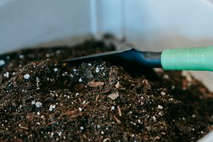
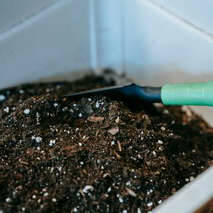


The question might be better asked, “What is soilless potting mix?” The short answer is, it is a growing mixture made from organic materials that contains no natural soil (dirt). It’s formulated to support plant growth by providing moisture retention, aeration, and nutrient delivery. Common ingredients include peat moss, coco coir, perlite, vermiculite, and well composted bark.
Soilless mix is commonly used in containers, greenhouses, and seed starting because it’s lightweight, sterile (free of weed seeds and pathogens), and customizable for different plant needs. It can provide a plant with everything it needs for quick development of a hardy and robust root system.
For example, blueberries require very acidic soil, with a pH between 4.5 and 5.5. If your garden soil is alkaline — with a pH of 7 or higher — you’ll need to add a significant amount of elemental sulfur or aluminum sulfate over time to lower the pH. However, if you use a soillesss mix specifically designed for acid loving plants you can plant blueberries right away.
Soilless growing media can be purchased at most garden centers, but many gardeners prefer to create their own. There are eight common ingredients used in most soilless potting mixes.
Peat moss
Many soilless medium products contain peat moss. This organic material is a good choice due to its unique ability to retain moisture and improve aeration within the mix. Because of its low pH, certain plants may also benefit from its added acidity. This is the go-to product for growing blueberries.
In recent years, growers have begun to shift away from the use of peat moss in the garden. Peat has been harvested from bogs, having taken thousands of years to break down into organic matter. This process releases immense amounts of carbon dioxide, a greenhouse gas, into the atmosphere.
Coco coir
Coco coir is often a more environmentally sound alternative to peat moss. A natural byproduct in the production of coconut fiber, coir is best known for its impressive ability to retain moisture. In addition it has been shown to demonstrate a natural resistance to many fungal and bacterial pathogens that may affect potted plants.
Perlite/pumice
Perlite and pumice are both used in lightweight mixes, where the addition of sand may be too heavy. Both improve the drainage and aeration in the soil mix while adding some water retention capability. While similar, pumice is heavier, which helps prevent it from floating to the top of the soil which makes it a better choice for large beds. However, perlite is more readily available and cheaper, making it a practical choice for many situations such as containers or small raised beds.
Vermiculite
Vermiculite, a processed mineral, is a popular alternative to perlite/pumice. Vermiculite also helps to aerate and improve air circulation within planting mediums but it is much superior in nutrient retention. However, like pumice, it can be more expensive and harder to find in bulk, so it is best used when a high nutrient soil is required.
Coarse sand
Coarse sand is frequently used in potting mixes to improve drainage and help to improve the overall density of the growing medium. Since growing mediums with a high sand content can be quite heavy, they are generally not recommended for containers that need to be moved frequently.
Compost/composted bark
Finished compost is an excellent way to add nutrients to soilless potting mixes. High-quality bagged compost is available at most garden centers, but many experienced gardeners prefer to use their own.
If you use homemade compost, be sure it has fully matured and has been processed at a high enough temperature to kill weed seeds, diseases, and pests. Unfinished or improperly processed compost can introduce weeds, harbor pathogens, and may burn or damage plants.
Fertilizer
Though compost plays an important role in feeding plants, many plants require supplemental nutrients from fertilizers. For the best results, use slow-release, organic fertilizer. Apply per product instructions according to your need.
Soilless potting mixes are excellent for starting and growing strong, healthy plants. When growing in sterile mediums, plants seldom struggle with common pests and diseases that may otherwise be present in garden soil. This makes a soilless mix ideal for growers who are starting their gardens under less-than-ideal soil conditions.
________________
Susan Kalmar is a WSU Clallam County Master Gardener.
________________
Soilless potting mix
Several factors play a role in the development of a soilless potting mix recipe. Most notable among these are the specific needs of individual plants.
An excellent yet simple seed starting mix can be as easy as mixing equal parts coco coir with fine vermiculite. Other recipes involve mixing ingredients according to percentages of the desired total amount.
According to the OSU Extension (Publication EC 1304), “Growing Blueberries in Your Home Garden,” a good blueberry mix for containers or raised beds is:
• 50-80% well-aged fine evergreen bark
• 10-40% peat moss (coco coir is not a substitute for the low pH peat moss)
• 10% perlite or pumice
This mixture will result in a mix with a pH of 4.5-5.5, high organic matter and good drainage.