Get It Growing: Gardening for life with accessible garden structures
Published 3:30 am Wednesday, July 8, 2026
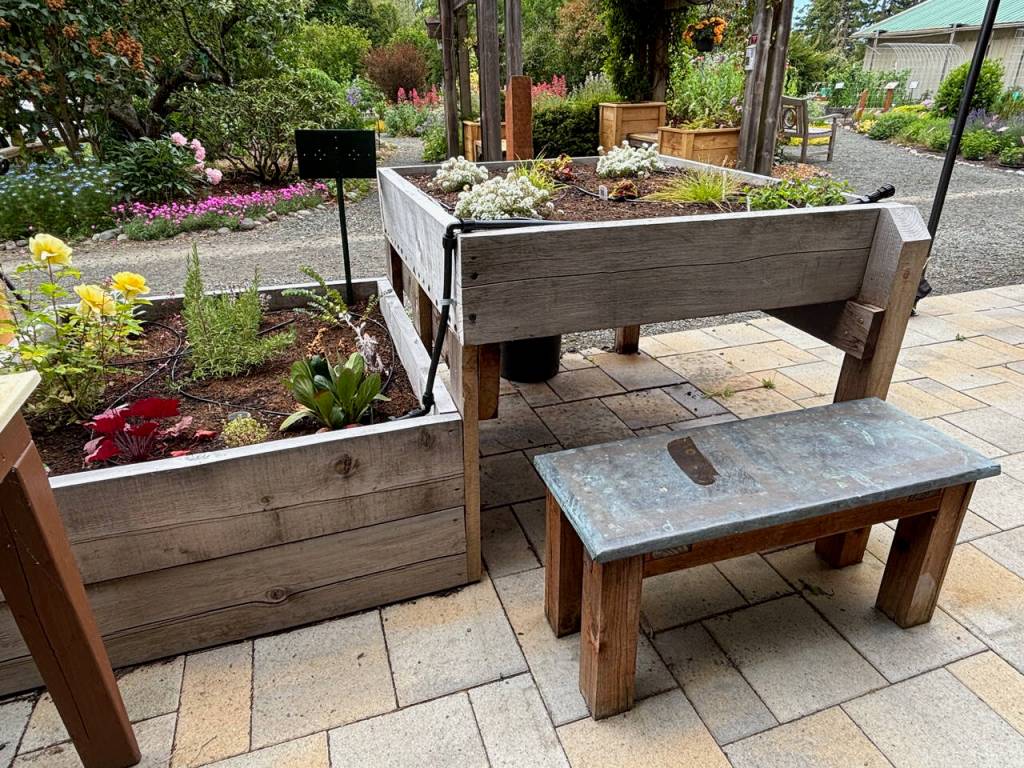
For many people, gardening is a passion and it should bring enjoyment, not discomfort. As we age or experience physical limitations, some gardening tasks can become more challenging. Accessible gardening focuses on adapting the garden to fit the gardener, allowing people to continue gardening safely, comfortably, and independently for years to come.
One of the first steps in accessible gardening is to reduce bending or kneeling by bringing the garden up to the gardener. There are four types of garden structures that can accommodate the physical challenges of gardening: raised beds, elevated beds, vertical gardens, and container gardening.
The goal of these structures is to raise the garden to a comfortable working height. Selecting the garden structure(s) that best suits the gardener’s capabilities can help prevent injuries as well as extend the years of gardening enjoyment.
Raised beds
Traditional raised beds are fixed, bottomless structures built of various materials. They can be modified by adjusting the height and widths of the structure. A raised bed can be anywhere from 12 to 36 inches high, which reduces the need to squat or kneel to work the soil. Adjusting the width of the bed to two feet wide will allow easy access to all the plants. A four-by-four bed that is accessible from all sides accomplishes the same purpose.
Another modification is to add a sturdy bench top to the bed, allowing an individual the comfort of sitting while they work.
Raised beds can be built or purchased using various materials. The most common is wood, but brick is a lovely alternative. Construction block, while not as attractive, works well and is inexpensive and easy to construct.
Elevated beds
Elevated beds are basically raised beds on legs. They are made with a sturdy bottom to support the weight of the soil. The height reduces bending, and the open space underneath the bed can be designed to allow room for a chair or wheelchair so gardeners can sit comfortably.
Ideally, the height of the bed should be 28 to 36 inches off the ground. Like the raised planter, it should be no more than four feet wide if worked from both sides, or less than two feet wide if access is only from one side.
The depth of the elevated bed should be limited to about 8 to 12 inches. The weight of the soil can be considerable, particularly when wet. These beds are traditionally built out of wood, but there are other interesting types available commercially. There are many styles of elevated beds available, including popular trough-style planters that come in a wide range of sizes.
Raised beds are ideal for shallow-rooted crops or flowers. Many, such as lettuce, arugula, spinach, and strawberries, can grow in as little as six inches of soil.
Vertical gardening
Vertical gardening entails growing plants on upright or hanging structures. This technique brings the vegetation into easy reach. It uses less garden space and can keep plants healthier.
Upright vertical structures can be as simple as attaching a felt pocket planter to a wall. Other ideas are growing squash or gourds from a sturdy arbor; planting between the slats of a wooden pallet turned upright; and making a green bean teepee out of bamboo poles.
Hanging structures are limited only by weight and imagination. Flower baskets are the most obvious way to add a pop of color, but think about growing some shallow-rooted crops (mentioned above) in a hanging basket. And, the basket doesn’t need to be a basket: grow strawberries or tomatoes through vertical holes in a hanging five-gallon bucket or other container.
Container gardening
Containers are a quick and inexpensive way to start or add to an accessible garden. They can be made out of any non-toxic material. They can also be any size and shape as long as they hold enough soil with good drainage to grow what is desired.
These containers, which are often large, can be placed in a convenient location, on a nearby deck or patio, or next to the kitchen door for easy access. Large flower or vegetable pots can be tended from a sitting or standing position. Placing them on a sturdy wheeled caddy is useful.
There are a myriad of building plans and ready-made products available for accessible gardens online. Do a computer search for “Accessible Gardening” (and similar prompts) and find commercial products (.com), educational information (.edu), and organizations (.org) to aid in developing a plan.
Woodcock Demonstration Garden
The Master Gardener’s Woodcock Demonstration Garden (2711 Woodcock Road, Sequim) now has an Accessible Garden, and visiting is a great way to see these ideas up close.
On July 11 at 10 a.m., the Woodcock Garden will host a Digging Deeper presentation focused on garden construction. Two talented Master Gardeners will talk about tools and materials for building planters. They will demonstrate the construction of a small three-by-four cedar elevated planter, giving tips on planning and proper assembly. To keep it lightweight, they will use one-inch locally sourced cedar for the bed with a reinforced bottom and sturdy legs. For added fun, the planter will be auctioned off at the conclusion of the program at 11:30 a.m.
For more information: clallamcounty.mastergardenerfoundation.org.
_______________________
Susan Kalmar is a WSU Master Gardener with 10 years of experience volunteering at Woodcock Demonstration Garden.



Best of Olympic Peninsula