Dog surrenders on the rise
Published 1:30 am Wednesday, May 4, 2022
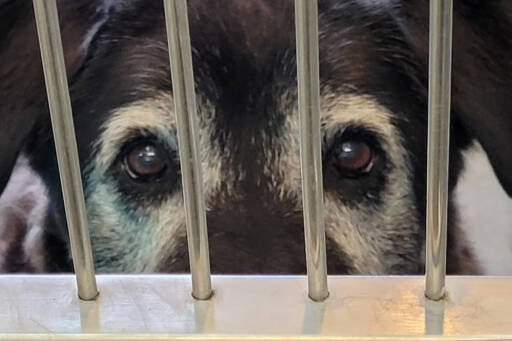
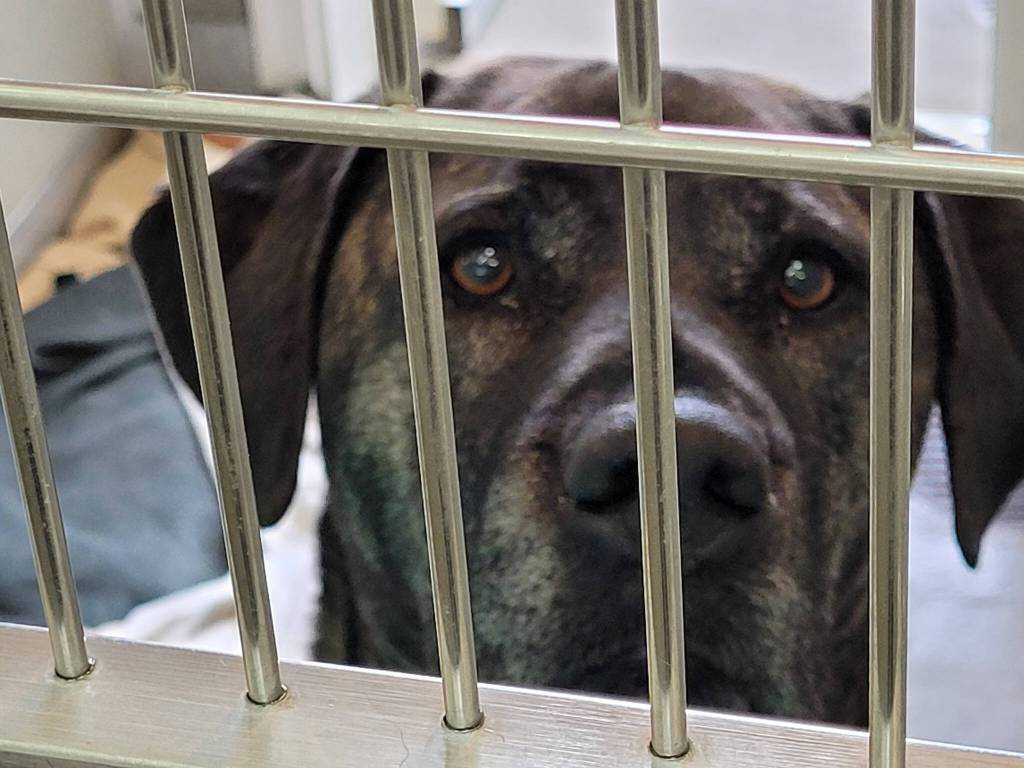
The Olympic Peninsula Humane Society has experienced a dramatic increase in the amount of owner-surrender dog applications received in the last five weeks OPHS officials said recently.
All of the dogs are young, born during the COVID-19 pandemic, and most have behavioral issues, they said.
“We certainly have had waves of surrenders before, but lately it seems like a tsunami,” OPHS executive director Luanne Hinkle said.
Office Manager Justine Parr said that ordinarily OPHS receives two to three requests to surrender cats and dogs a week and that has increased to an average of six per week, the increase being all dogs.
In one two-week period there were 11 dog surrenders scheduled. Hinkle said that 40 percent of intakes are owner surrenders.
There are more requests than space at the shelter or in foster care, OPHS officials said.
“We are booking out surrenders up to the second week of May,” Parr said. “We need to space them out so we can find homes and make some room for the dogs who are coming in.”
She said that many of the dogs have separation anxiety, because they were under-socialized as puppies: they are fearful of strangers, not used to being alone, may not have been introduced to other types of animals and might be fearful of or aggressive to other dogs.
Many of them “have not experienced small children,” she said, and can get overexcited and knock them down or are fearful.
They also can have a hard time calming down and need to get more exercise, Parr said.
“We teach them skills to get the energy out,” she said, “and take them on walks.
OPHS staffers know how to care for the bewildered surrenders, Parr said.
“For the first week they’re depressed,” she said. “If they’re really shy, we make sure to give them space when they need space, and attention when they need attention.”
Hinkle and Parr said that OPHS is still in need of more fosters to help with the dogs, as well as volunteers at the shelter.
“As long as we have open foster homes, we can take more dogs,” Parr said. “Unfortunately, we haven’t got a good response to our recent push for more fosters.”
“We really need foster families that are willing to help, even if its just for a week or so,” Hinkle said. “The shelter isn’t the best place for an animal because it’s noisy and stress-inducing. Their true personalities shine when they are in foster and adoptions happen quicker because of it.”
For those interested in fostering, visit ophumanesociety.org/foster-program.
There is a nationwide phenomena of “covid puppies” — or “pandemic puppies,” as they’re called — being turned in to shelters as people transition from at-home work to working out of the home, but the increase on the Olympic Peninsula is unlike neighboring regions.
A representative from Humane Society of Jefferson County said that they are not experiencing a similar increase. Kitsap has actually experienced a slight decrease.
“One reason for this may be due to our Cross Posting re-homing support program, which we offer pet owners as an alternative to surrendering their pet to our shelter,” said Sarah Moody-Cook, director of animal welfare at the Kitsap Humane Society.
“We currently have 20 owned pets being supported by our Cross Posting program.”
Moody-Cook said, “Since our cross-posting program is digitally based, we are happy to offer it to pet owners outside of Kitsap if they need help re-homing their pet.”
More details about this option can be found at kitsap-humane.org/resources/surrendering-your-pet.
Parr said that people should be very careful about re-homing their pets online. If they do so and find a potential adopters, “ask a lot of questions,” she said, and don’t re-home the dog to a person who raises red flags.
For people who want to adopt from the OPHS, “our adoption fee is pretty low,” Parr said. “They come with vaccines up to date, spayed or neutered, and a free first trip to the vet.”
OPHS has a low-cost program for spay/neuters and rabies and distemper vaccinations at ophumanesociety.org/spay-neuter-assistance-program-snap.
For more information about the Olympic Peninsula Humane Society, visit ophumanesociety.org.



Best of Olympic Peninsula