Ask a Master Gardener: Dealing with earwigs
Published 1:30 am Wednesday, September 3, 2025
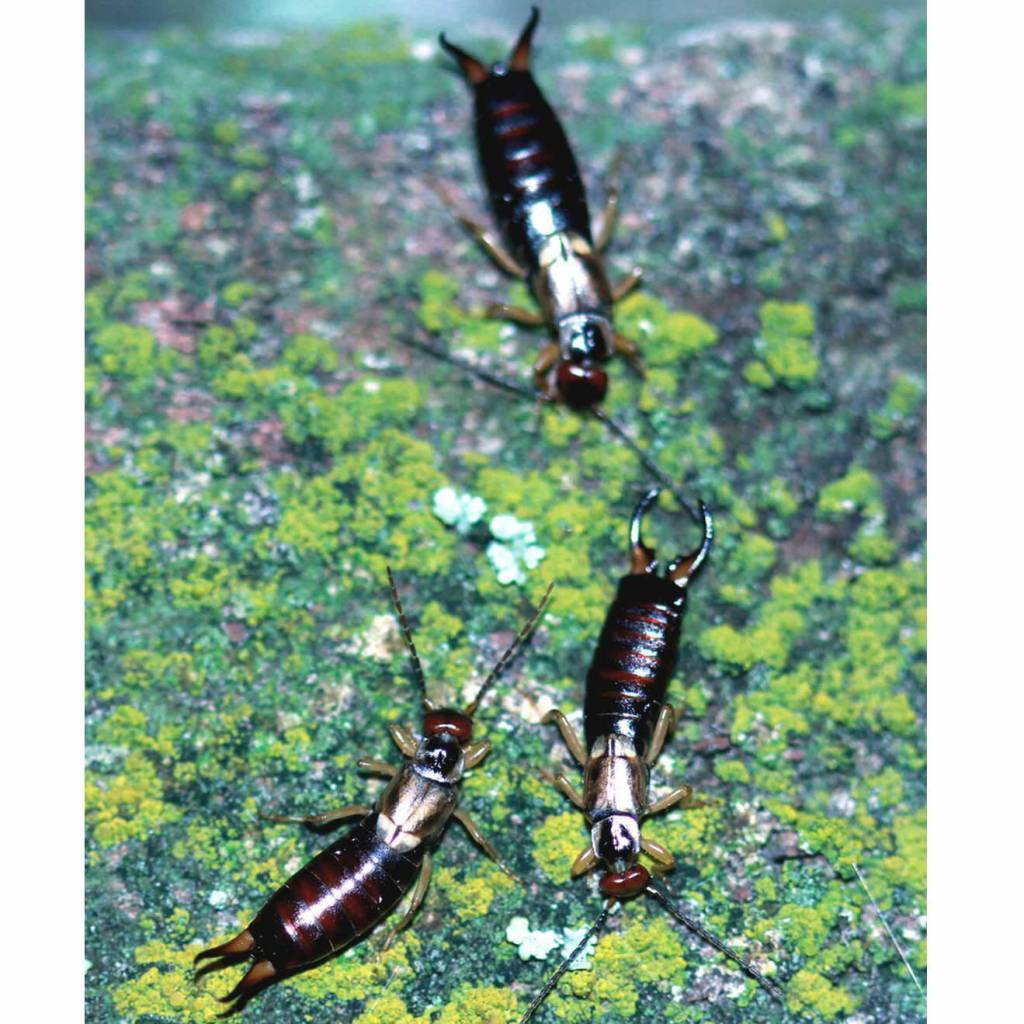
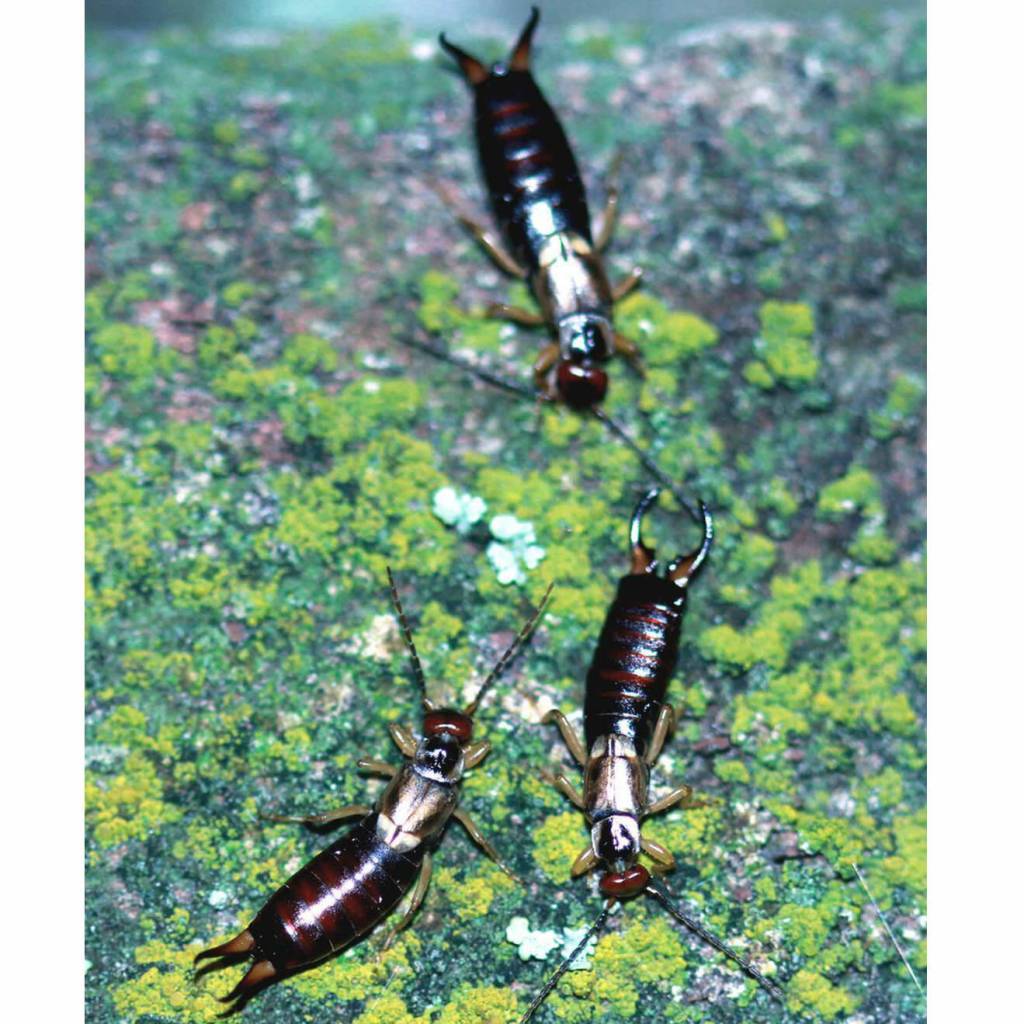

I keep finding these insects in our mailbox. My daughter told me they are earwigs and can do a lot of damage in the garden. Are they dangerous to humans? How do I keep them out of my flower garden?
Your daughter is correct. These mailbox invaders are earwigs. The name comes from an old English term (ēarewicga) which means “ear insect” because they were thought to burrow into people’s ears as they slept at night.
Adult earwigs have elongated reddish-brown bodies, about one-half inch in length, and long antennae. They are most readily identified by the pair of pincers (called cerci or forceps) at their tail end. The pinchers are used to defend earwigs from predators, for mating, and to catch prey.
Earwigs are not dangerous to humans. They attack people only when threatened or handled roughly and their pinch contains no venom, rarely breaks the skin, and is only mildly painful.
Earwigs are largely beneficial creatures, feeding on plant pests (e.g., aphids, mites, and nematodes) and helping to break down decaying plant material. Washington State University (WSU) researchers have found them to be useful in the control of the woolly apple aphid, a costly pest in Washington apple orchards.
Unfortunately, earwigs sometimes feed on plants. The damage — irregular holes in leaves, flowers, and fruit — resembles damage caused by slugs or caterpillars but lacks a slime trail indicating a slug, or frass (i.e., caterpillar poop) indicating a caterpillar. Plants commonly damaged by earwigs include beans, beets, cabbage, cauliflower, dahlias, peas, potatoes, and zinnias.
Earwigs feed mostly at night and hide in the soil, under debris, or in cracks and crevices during the day. To confirm the presence of earwigs, you need to check your plants at night or look for them under potted plants, boards, and debris during the day.
Earwig damage to garden plants is often worse in dry years because they are attracted to and must have moisture to survive. When their normal outdoor habitat becomes dry, they will chew on healthy plants and venture closer to homes in search of moisture.
What can you do?
Because earwigs naturally collect in moist, dark hiding places, they can be controlled by trapping. To make an earwig trap, roll up moistened cardboard, burlap, or newspaper and, late in the afternoon, place it where you have seen earwigs or earwig damage. In the morning collect the trap and discard it or shake out any earwigs into a bucket of soapy water and reuse the trap.
Another trapping method is to bury straight-sided cans, such as tuna or cat food cans, in the soil up to the rim. Fill the cans with half an inch of vegetable oil. Earwigs will be attracted to the oil, fall into the can, and not be able to get back out. Strain dead pests from the oil and reuse it to trap more earwigs.
Complement trapping activities by removing daytime hiding places for earwigs, such as weeds, piles of rubbish, or leaves.
Because earwigs like to feed on fruits and vegetables with holes or bruises, remove any damaged produce from your garden as soon as possible.
Although a number of pesticides can be used to kill earwigs, chemical management of this pest is usually not recommended for home gardens.
Schedule change
The Green Thumb Educational Series presentation “Preserving the Harvest,” originally scheduled for Thursday, Sept. 11, has been moved to Thursday, Sept. 25. It will be from 6-8 p.m. at St. Andrew’s Episcopal Church, 510 E. Park Ave., in Port Angeles.
________________
Jeanette Stehr-Green is a WSU-certified Clallam County Master Gardener.
Photo credit: Whitney Cranshaw, Colorado State University, Bugwood.org