From the Sheriff’s Desk: ‘Qualifications Bill’ could give state control over voter-elected sheriffs
Published 1:30 am Wednesday, December 17, 2025
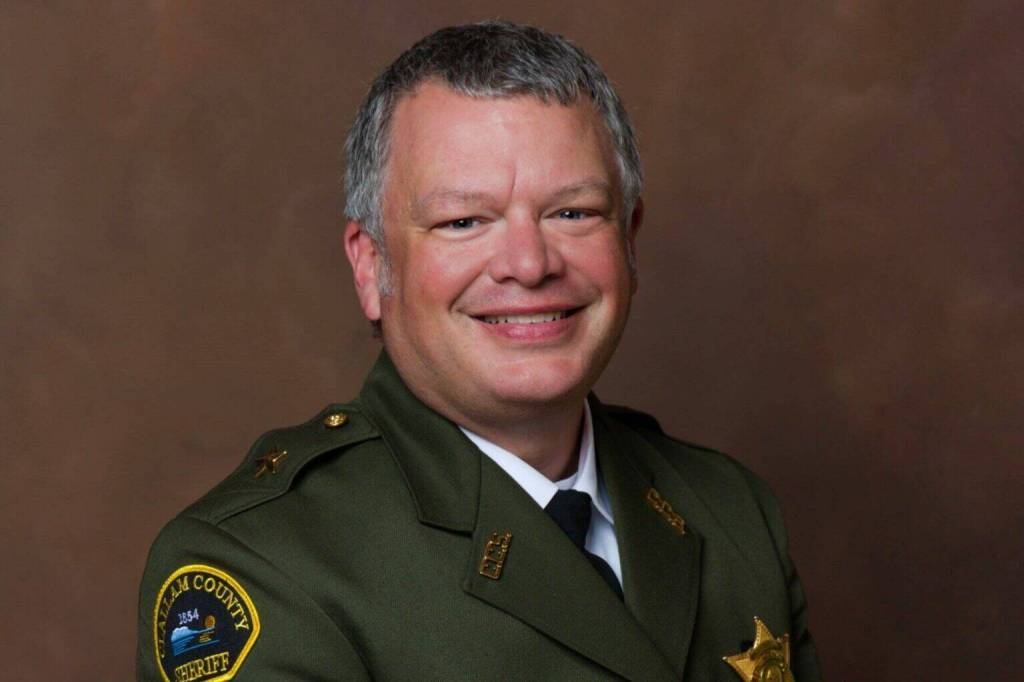
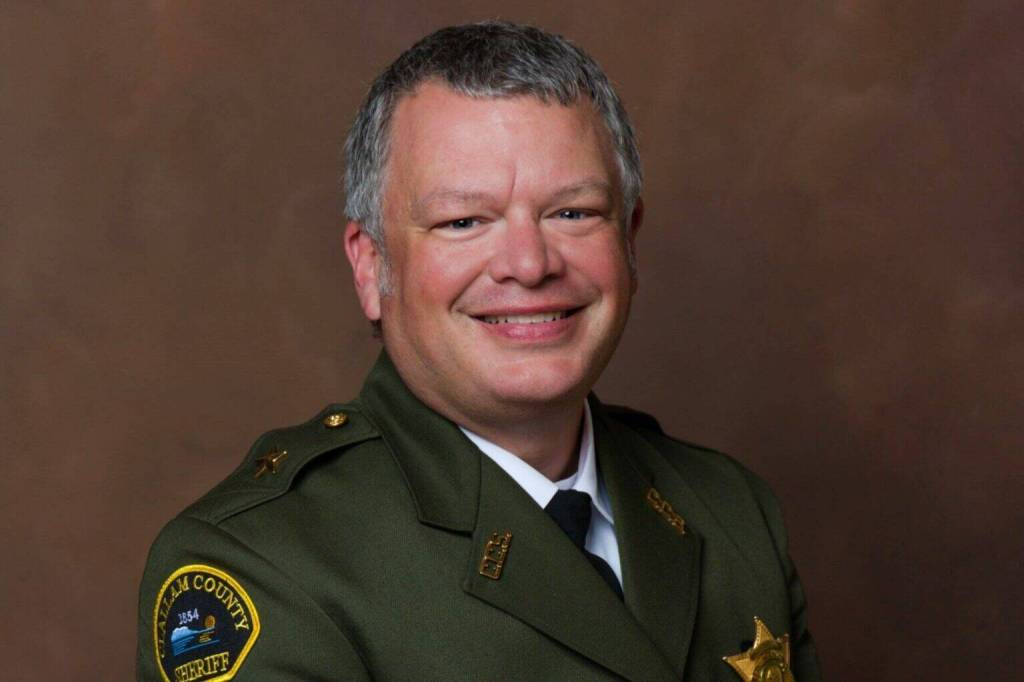


By Brian King
The Office of Sheriff is one of the oldest institutions in the common law tradition, carrying centuries of authority, responsibility, and public trust.
When the office came to America in the 1600s, it brought longstanding duties such as preserving the peace, enforcing laws, collecting taxes, and serving the courts.
By 1651, sheriffs became elected officials, reflecting the belief that the office should be directly accountable to the people.
Washington State later cemented this principle in its constitution, requiring each county to elect a sheriff.
The modern sheriff retains these historic common law powers unless changed by statute.
Unlike a county police chief, the sheriff represents constitutional authority and answers directly to the public, not to county commissioners.
Core responsibilities — such as arresting offenders, maintaining public order, executing court mandates, managing jails, and defending the county — remain grounded in both tradition and state law, particularly RCW 36.28.010.
Over time, new duties have been added, including issuing concealed weapon licenses and managing sex offender registration.
Before assuming office, sheriffs must take an oath to uphold the U.S. and Washington constitutions, and must provide an official bond to protect the public from negligence or misconduct. These requirements emphasize the seriousness of the office.
Just as important is the distinction between a Sheriff’s Office and a Sheriff’s Department.
A department is subordinate to county government, while an office carries sovereign authority directly granted by the people — making the sheriff fundamentally independent within county structure.
The sheriff does not work for county government but works on behalf of the people with county government.
The sheriff also plays a vital role in Washington’s judicial system.
Sheriffs or their deputies must attend courts, execute court orders, and may be required to provide facilities or resources when counties fall short.
They oversee transitions between administrations, ensuring all writs, property, and records are passed seamlessly to successors.
HB 1399 / SB 5364 — often referred to as the Qualifications Bill — is expected to return during the 2026 legislative session.
The legislation is being advanced by outside advocacy groups and represents a significant shift in how elected sheriffs would be vetted, overseen, and potentially removed from office.
At its core, the bill proposes two major changes.
The bill would require elected sheriffs to undergo the same screening used for newly hired law enforcement officers, including a Washington State Patrol background investigation, a psychological evaluation, and a polygraph examination.
This process — while appropriate for prospective employees — raises substantial questions when applied to independent, constitutionally elected officials.
The bill effectively overrides the will of the local voters and gives substantial control to the state in choosing who is “qualified” to be a sheriff.
More significantly, the bill would empower the Washington State Criminal Justice Training Commission (CJTC) to decertify an elected sheriff, thereby forcing their removal from office — even if the voters elected that sheriff in good faith.
This represents an unprecedented shift in authority away from voters and toward a state appointed commission.
Under the bill, CJTC could decertify a sheriff for “Conduct Unbecoming.”
The statutory definition includes any conduct or pattern of conduct that: fails to meet ethical or professional standards of a peace officer or corrections officer; jeopardizes or diminishes public trust or confidence in the law enforcement profession; or demonstrates an unwillingness or inability to uphold their sworn oath to the U.S. and Washington Constitutions, and the laws of Washington State.
This extremely broad language allows subjective interpretation, extending CJTC’s authority far beyond traditional decertification — effectively granting the power to remove an elected official without an election, recall, or judicial process.
Politically motivated, it could effectively remove the discretion utilized by your sheriff and his deputies when enforcing the law.
Law enforcement discretion refers to the ability of officers to make decisions based on their judgment, experience, and the specific circumstances of a situation.
Because officers encounter complex, unpredictable, and rapidly changing events, the law cannot prescribe a single response for every scenario.
Discretion allows officers to decide when to issue a warning instead of a citation, when to arrest, how to prioritize calls for service, and how to respond in ways that best protect public safety while maintaining fairness and common sense.
Used properly, discretion is essential to building trust and ensuring justice.
It allows officers to consider intent, context, community needs, and the proportionality of their actions.
In essence, discretion is both a powerful tool and a profound responsibility — central to the professionalism of law enforcement and the confidence the public places in it.
Discretion is central to values you seek in a sheriff when you cast your vote.
The bills diminish that discretion and erode local control over the public’s choice in their sheriff, the office’s policies, and local priorities.
A state agency determines the sheriff’s suitability and whether they should remain in office if the public’s values are challenged.



Best of Olympic Peninsula